


Blog
Food Processing Equipment Maintenance Tips
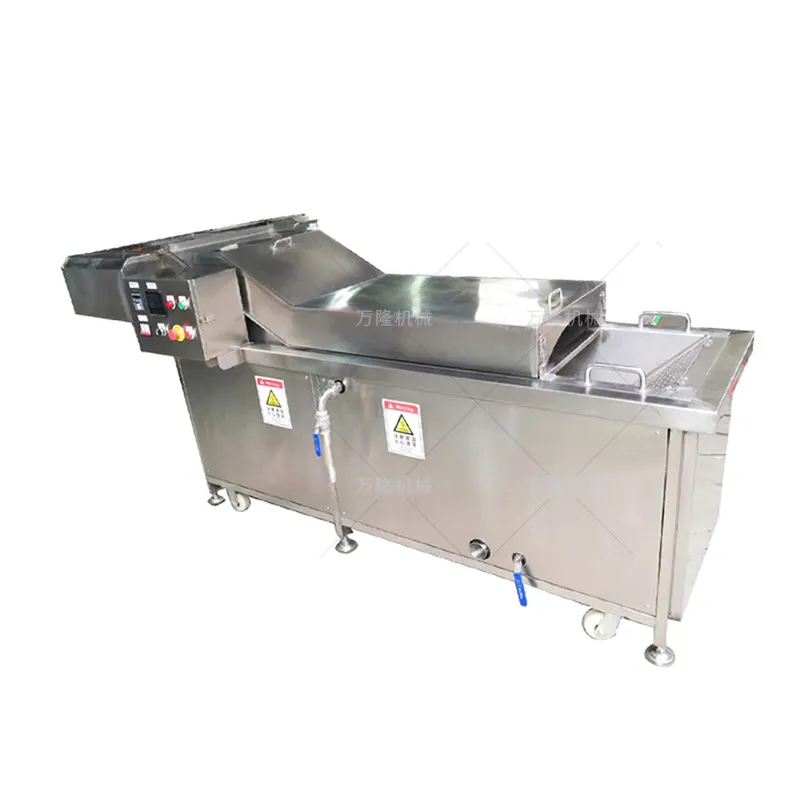
In modern food factories the stability of equipment directly affects production efficiency, quality and profitability. Proper maintenance is crucial to prevent downtime and unexpected repairs.
Most factories place a high priority on the purchase of equipment, but overlook the importance for regular maintenance. Well-maintained equipment can last longer, perform better, and reduce operating costs.
Foshan Wanlong Machine Co., Ltd. not only produces food processing machines, but also supports global customers by providing installation guidance, training in maintenance, and long-term support.
Why food equipment maintenance is important
The food processing machine operates in an environment of high moisture, high load, and continuous production. If you don’t maintain your machine properly, problems can arise quickly, including:
Reduced machine efficiency
Unexpected production downtime
Higher energy consumption
Inconsistency in product quality
Repair costs are increasing
Shorter equipment lifespan
Food Safety Risks
Preventive maintenance is a proven way to reduce equipment downtime in the food industry.
)
Daily Maintenance Tips: The Most Important Routine
Maintenance is essential for long-term performance of machines.
- Cleaning Equipment after Every Shift
Food residue can accumulate quickly and cause:
Bacterial growth
Blocked conveyors
Corrosion
Sensor malfunction
Clean machines like:
Vegetable Washers
Cutting machines
Peelers
Fryers
Packing systems
Before re-starting, clean all surfaces with a food-grade cleaner and make sure they are completely dry.
- Check moving parts
Inspect:
Belts
Chains
Bearings
Rollers
Watch for any unusual sounds, vibrations, or wear.
Early detection can prevent major breakdowns.
- Check Electrical Panels
Check:
Loose wires
Moisture inside control box
Overheating signs
Error codes for PLC systems
Electric stability is essential for automation systems.
Weekly Maintenance Tips
- Lubricate mechanical parts
Lubrication can reduce friction and increase the life of your machine.
Focus on:
Bearings
Gearboxes
Conveyor rollers
Where necessary, use food-safe lubricants.
- Check Water and Air Systems
Washing machines, bl-anchors and pneumatic systems require:
Water filters
Remove sediment
Check air compressors
Check the pump pressure
Blockages in water systems can reduce the cleaning effectiveness.
- Tighten screws and fasteners
Mechanical connections can be loosen over time by vibration during operation.
Regular tightening ensures:
Machine Stability
Safety
Alignment with precision
Monthly Maintenance Tips
- Deep Cleaning Internal Components
Some parts, like:
Water tanks
Internal Pipes
Blanching heating system
Oil tanks fried
Deep cleaning is essential to prevent long-term contamination and buildup.
- Check wear parts
Replace or inspect
Blades (cutting machines)
Brushes for washing machines
Seals and gaskets
Conveyor belts
Worn parts can directly impact product quality.
- Test Safety Systems
Make sure that all emergency stop buttons, alarms, and sensors are functioning properly.
All food factories must adhere to strict safety regulations.
Maintenance Tips for Equipment Type
Vegetable Washing Machines
Clean sediment filters daily
Check air blower performance
Regularly flush the water circulation system
Cutting Machines
Replace or sharpen blades
Clean blade housing
Ensure stable motor speed
Frying Machines
Regularly filter oil
Removing food residues
Monitor temperature accuracy
Peeling Machines
Inspect abrasive rollers
Clean drainage system
Check motor torque stability
Common Maintenance Mistakes To Avoid
- Ignoring small problems
Ignoring a small sound or vibration could lead to a serious failure.
- Skip Cleaning Shifts
Unclean machines can reduce hygiene and increase the risk of failure.
- Use of Incorrect Spare parts
Even systems can be damaged by low-quality components.
- Lack of Operator Training
Untrained workers misuse equipment and delay maintenance.
Maintenance can reduce labor and cost
Maintenance can extend the life of your machine and reduce labor costs by:
Avoiding emergency repairs
Reducing machine downtime
Improving production speed
Reduce the replacement frequency
Stabilizing output quality
Automated systems that are well-maintained require fewer interventions by hand and increase overall factory efficiency.
Preventive Maintenance and Reactive Maintenance
Preventive maintenance (recommended)
Inspections scheduled
Regular Cleaning
Replacement of planned parts
System checks
Long-term cost savings
High machine reliability
Stable production
Reactive Maintenance
Repairing machines after failure
Emergency repairs
Production disruptions
Costs are higher
Unplanned downtime
Production loss
Maintenance Checklist Summary
Daily:
Clean machine surfaces
Check all moving parts
Check electrical panels
Weekly:
Lubricant components
Check your water/air system
Tighten fasteners
Monthly:
Deep Cleaning
Replace worn parts
Test your safety systems
Why choose Wanlong Machinery as your long-term support provider
Foshan Wanlong Machine Co., Ltd. provides more than machines–we offer long-term support for production.
We have the following advantages:
Manufacturing experience since 2016
Installation training and guidance
Support for spare parts
Customized Machine Solutions
Full Production Line Integration
Export Technical Documentation
Remote troubleshooting support
We assist our global customers to keep their machines running smoothly for many years.
Future Trend: Smart Maintenance Systems
Modern food manufacturers are adopting:
IoT Monitoring Systems
Predictive Maintenance Alerts
Sensor-based Diagnostics
Remote machine monitoring
Digital Maintenance Logs
These technologies can help to reduce downtime, and improve the predictive repair planning.
The conclusion of the article is:
In order to ensure long-term stability and efficiency in a food factory, it is important that the equipment be maintained properly. Following daily, weekly and monthly maintenance schedules can reduce breakdown risk, increase machine life, and lower production costs.
We at Foshan Wanlong Machine Co., Ltd. are dedicated to helping food processors around the world operate more safely, efficiently, and smartly through reliable equipment.
The FAQ
- How often should you clean your food processing equipment?
To maintain hygiene and performance, it is recommended that machines are cleaned every shift.
- What is the most critical maintenance task?
The most important thing to do is regularly clean and inspect moving parts.
- Does proper maintenance reduce labor costs?
Yes. Well-maintained machinery reduces downtime, increases automation efficiency and minimizes manual intervention.
#FoodEquipmentMaintenance
#FoodProcessingMachine
#FactoryEfficiency
#IndustrialMaintenance
#FoodProductionLine