


Blog
Vacuum Packaging Machine for Food Factory
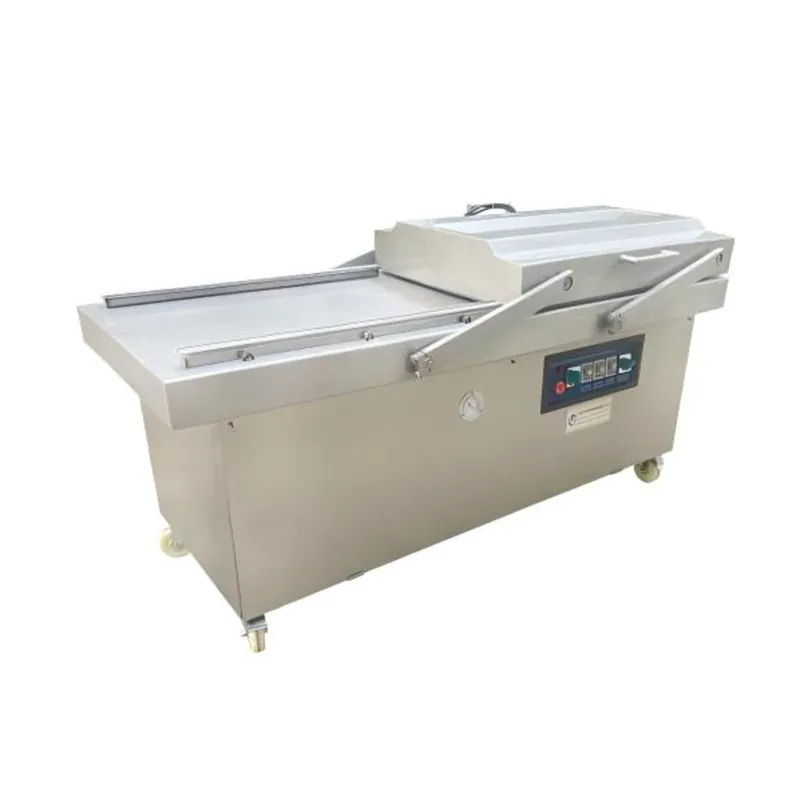
Packaging is not just the last step in modern food production. It is now a crucial process that affects shelf-life, food safety and logistics efficiency. Vacuum packaging is one of the most popular packaging methods, especially in food processing, such as meat, seafood, frozen and ready-to-eat meals.
Vacuum packaging machines work by removing the air from a package and then sealing it tightly. This simple principle slows oxidation, microorganism growth and moisture loss. Vacuum packaging is essential as global food supply chains grow longer and more complicated.
This article describes how vacuum packaging machines help food factories improve preservation efficiency, and enable reliable export operations.
Vacuum Packaging in Food Processing
The vacuum packaging process is based on the removal of air and the sealing. The machine inserts food into a bag or tray and removes air from the chamber.
The growth of mold and aerobic bacteria is greatly reduced by removing oxygen. At the same, oxidation reaction that can affect flavor, color, and texture is slowed. This is especially important for processed foods, meats, seafood and other food products that are sensitive to environmental factors.
In industrial food factories vacuum packaging is usually integrated after the processing stages of cutting, cooking or cooling. It ensures products are kept in their best condition for storage and transportation.
Vacuum packaging and shelf life extension
Vacuum packaging has the ability to prolong shelf life without using chemical preservatives. Food spoilage is reduced by reducing the oxygen exposure.
Vacuum packaging is used in the meat industry to maintain color stability, and to reduce drip loss. It helps maintain texture and freshness in frozen seafood. Vacuum sealing is used to prevent moisture loss and contamination in cooked or semi-processed food.
The extended shelf-life is particularly important for factories that export, where the products have to travel long distances while remaining stable in different storage conditions.
Food Export and International Logistics: Importance
Packaging quality is just as important for food producers who export. Temperature changes, long shipping times and changing humidity levels can occur during international shipping.
Vacuum packaging creates a protective environment which reduces the chance of spoilage. This also increases the efficiency of stacking in cold storages and shipping containers.
Vacuum packaging is a requirement in many export markets for frozen meats, seafood and processed foods. Packaging quality consistency helps meet food safety standards and import regulations.
Different types of vacuum packaging machines
The vacuum packaging machines that are used in food factories can be configured in various ways depending on the production scale and type of product.
Commonly, meat, seafood and solid foods are packaged using chamber vacuum machines. The entire package can be sealed inside the chamber.
For larger or irregularly-shaped products, external suction vacuum machines can be used. These systems remove the air from the opening of the bag without placing the whole product in a chamber.
These systems are ideal for production lines with high volumes. These systems are designed to be integrated with automated feeding and conveyor systems. This allows continuous packaging without interrupting the production flow.
The selection of each system is based on the production capacity, product features, and layout of the factory.
Packaging Operations: Efficiency and Reduction of Labor
Vacuum packaging machines are more efficient than manual sealing methods. Manual packaging often has inconsistent sealing and requires more work for handling, positioning and sealing operations.
Automated vacuum systems standardize sealing performance and reduce operator involvement. Once the parameters are set up, the machine will maintain constant vacuum levels and seal strength throughout large production batches.
This reduces the need for labor and human error in high-output factories. It improves overall production stability.
Protection of Product Quality and Waste Reduction
Vacuum packaging helps to reduce waste in addition to preservation. Poor packaging can lead to contamination, leakage or freezer burn. This results in products being rejected or having a lower quality.
Vacuum machines prevent food from being contaminated by external sources and losing moisture. It is particularly important for perishable products such as marinated or processed meats, seafood and ready-to eat meals.
Stable packaging improves the yield across the entire supply chain and reduces returns.
Integrate with Food Processing Lines
Vacuum packaging machines are seldom used in modern factories as stand-alone equipment. They are often integrated into production lines.
In a meat-processing line, for example, the products are moved from the cutting and seasoning stage directly into vacuum packaging, and then to freezing or storage systems. In lines for prepared or cooked vegetables, the packaging system is synchronized to cooling and portioning devices.
This integration reduces the manual handling of production stages and ensures a continuous workflow.
Material and Hygiene considerations
The food packaging equipment used for food must adhere to strict hygiene standards. Vacuum packaging equipment is typically made of stainless steel, which resists corrosion and allows for easy cleaning.
In order to maintain hygiene, it is important that the parts and surfaces are smooth, as well as that they be sealed. Regular cleaning and maintenance is essential in food factories to ensure that seals perform well and prevent contamination.
In modern food factories, vacuum packaging machines are essential for reducing product waste, increasing shelf life and improving export stability. They also reduce labor costs. They are essential in the production of meat, seafood and frozen foods.
Vacuum packaging is becoming a requirement to maintain product quality, from the factory to the end user. The proper selection and integration vacuum packaging systems will improve the overall production efficiency as well as market competitiveness.
FAQs
- What types of food are best suited for vacuum packaging?
Meat, seafood, frozen foods, processed foods, and ready-to-eat meals are most commonly vacuum packaged for preservation and export.
- Does vacuum packaging extend shelf life without preservatives?
Yes. By removing oxygen, vacuum packaging slows microbial growth and oxidation, naturally extending shelf life.
- What is the difference between chamber and external vacuum machines?
Chamber machines vacuum the entire package inside a sealed chamber, while external machines remove air from the bag opening for larger or irregular products.
#VacuumPackagingMachine
#FoodPackagingEquipment
#FoodPreservationTechnology
#FoodProcessingMachines
#IndustrialPackagingSystem