

Blog
Blanching Machine for Frozen Vegetable Processing
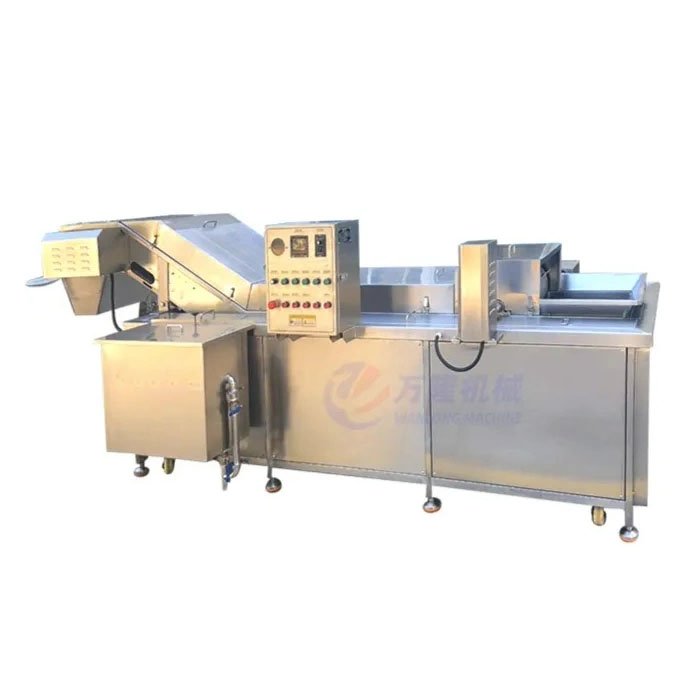
Blanching is an important step in the production of frozen vegetables. This is a quick heat treatment where the vegetables are briefly exposed hot water or steam, and then quickly cooled. This step, although it may seem simple, has a significant impact on the quality of frozen vegetables. It affects color, texture and flavor.
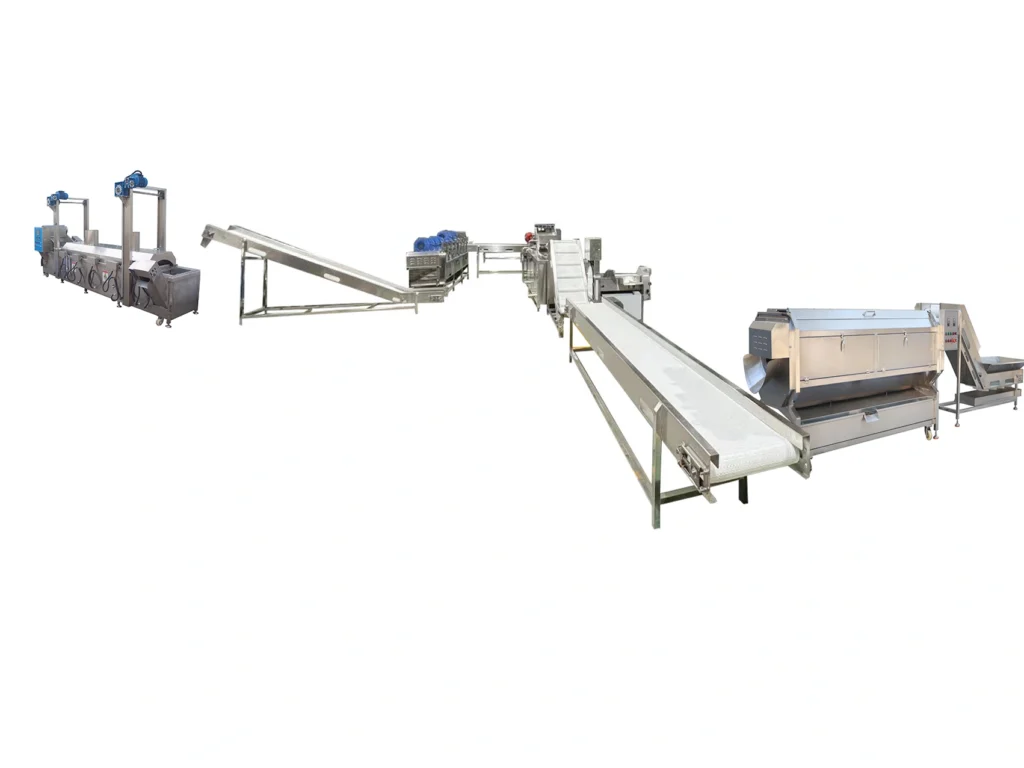
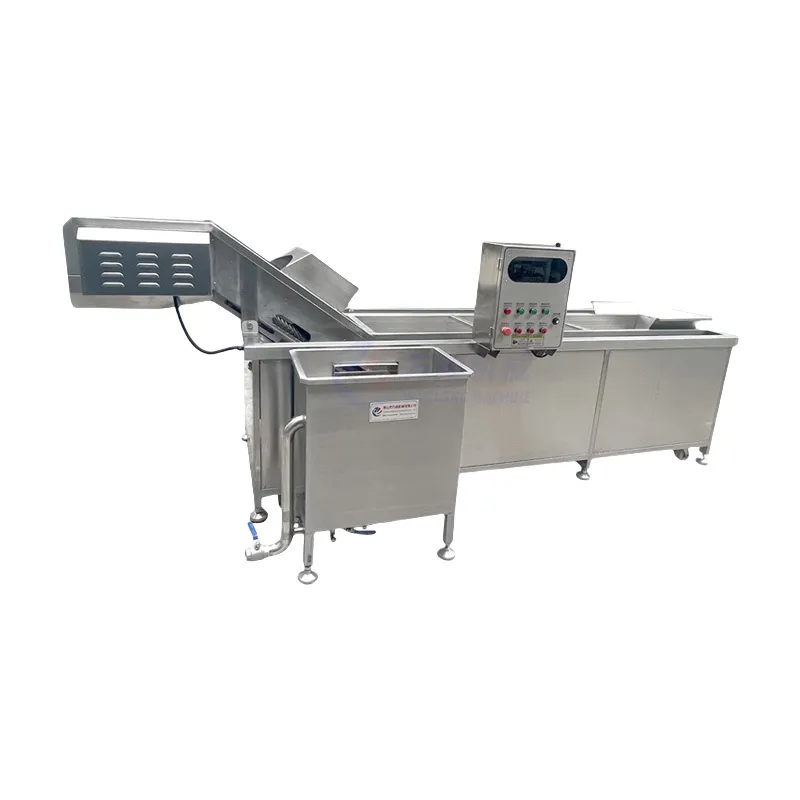
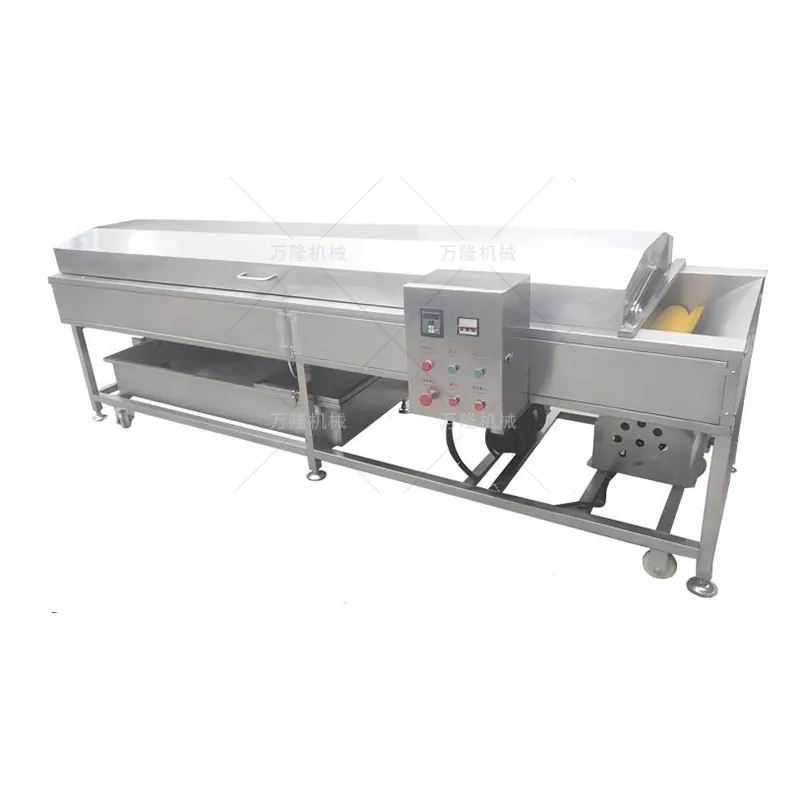
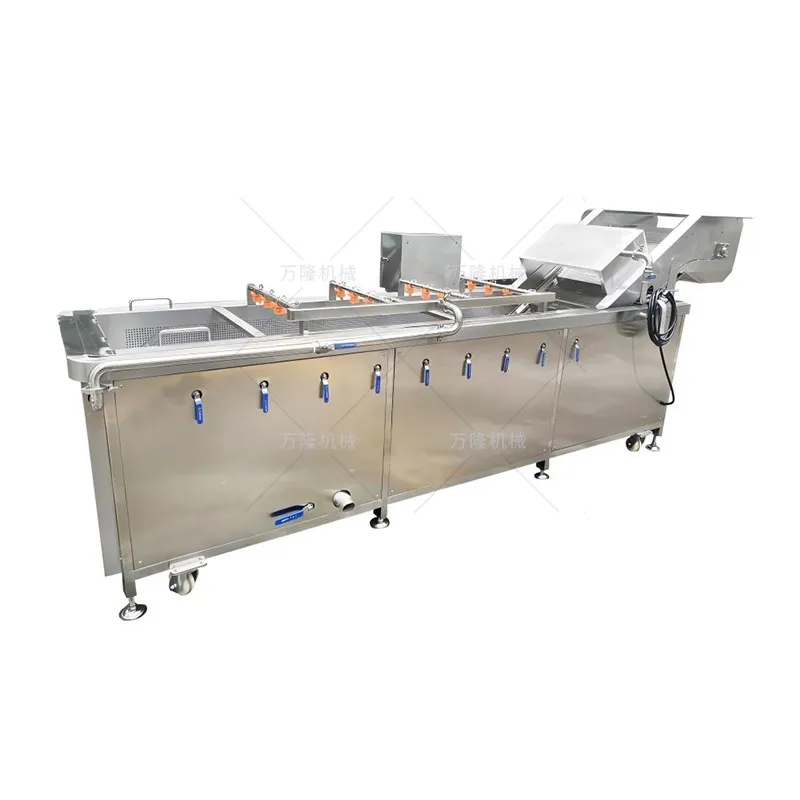
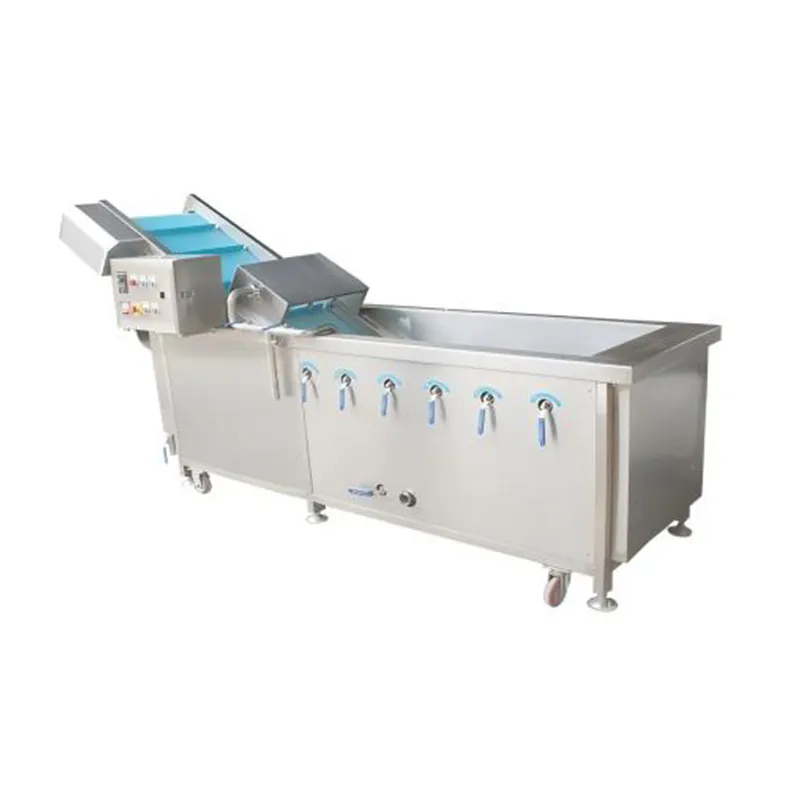
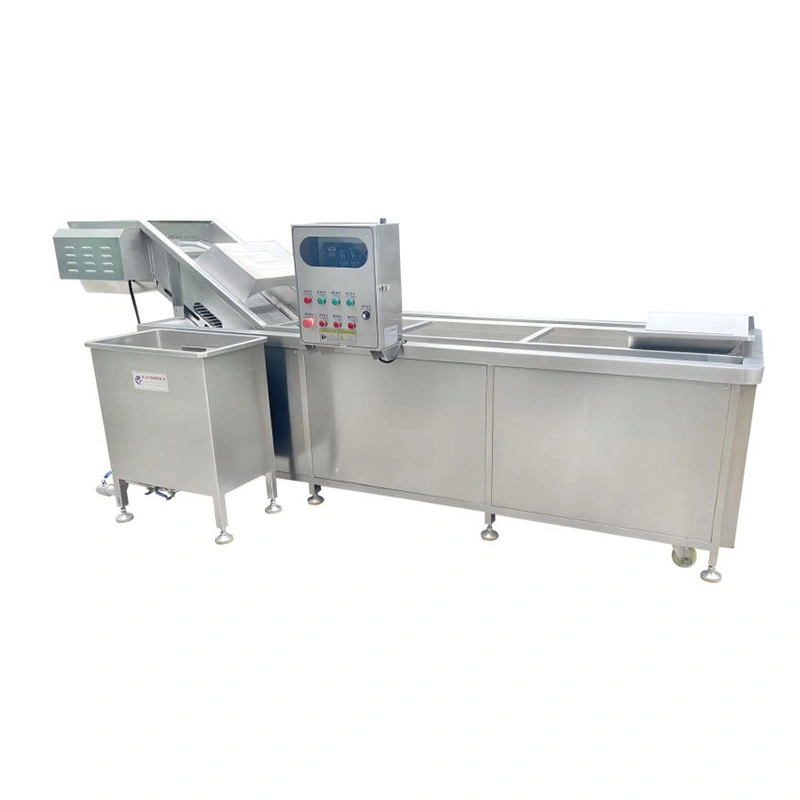
Blanching machines are designed to perform this process in an industrial scale, and they can be used for frozen vegetable processing lines. Blanching is necessary to prevent the enzymes in vegetables from becoming active. This can cause discoloration and loss of nutrients during storage.
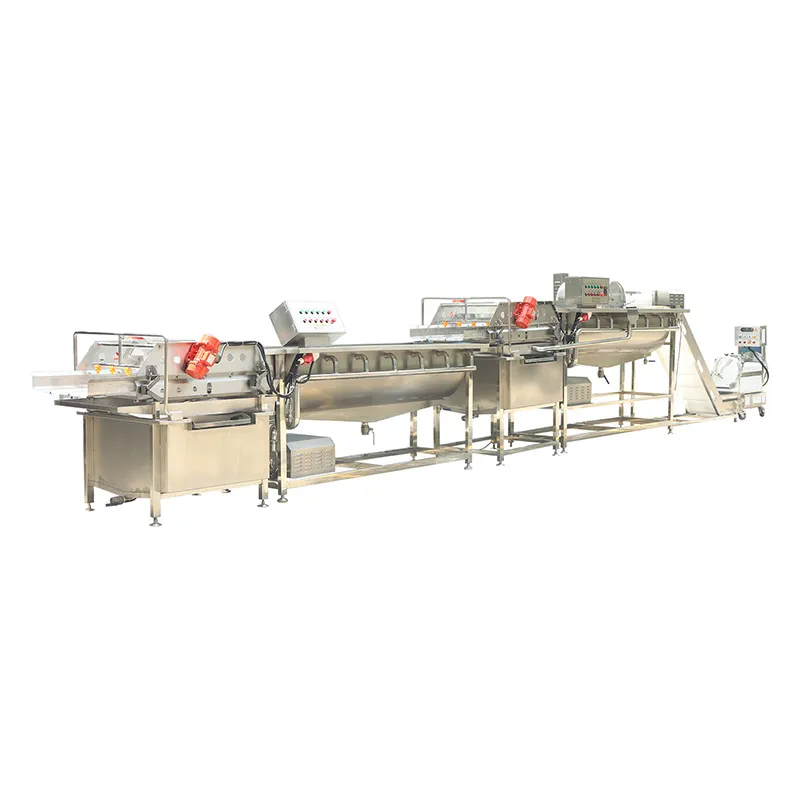
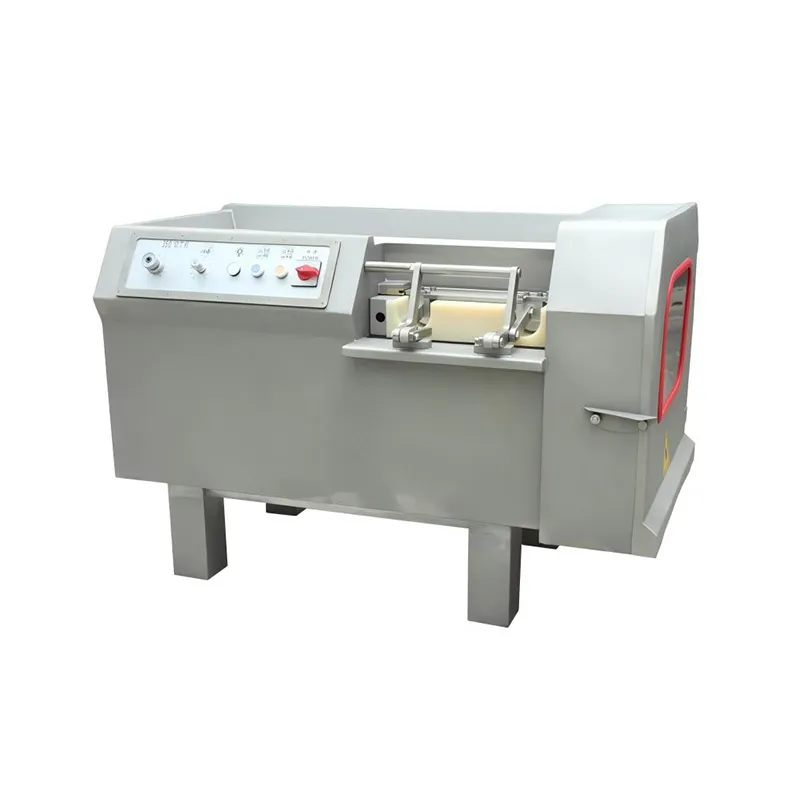
Blanching occurs after washing and chopping in a typical frozen vegetables processing workflow. After the vegetables have been cleaned and cut into uniform size, they are then transported to the blanching machine via a conveyor. In the machine, vegetables are exposed to hot water or steam that is precisely controlled, typically within a temperature range near boiling point. The exposure time is adjusted according to the type of vegetables, as they have different heat tolerance levels.
This heat treatment has as its main objective the deactivation of enzymes found in plant tissue. These enzymes are responsible, in particular, for the quality degradation that occurs during storage and freezing conditions. Blanching vegetables like broccoli, spinach and green beans helps maintain their natural color by stopping enzyme activity early.
Vegetables must be cooled quickly after they have been heated. This step is as crucial as the actual heating process, as it helps to prevent overcooking. In industrial systems cooling is done by cold water circulation systems or chilled water spraying systems. The rapid transition from hot water to cold water ensures that vegetables maintain a natural and fresh appearance, even after prolonged freezing.
Consistency is a major advantage of a blanching device from a processing standpoint. Manual operations can result in uneven results because it’s difficult to accurately control the temperature and timing. Some vegetables can be under-processed while others become too soft. This problem is solved by industrial blanching equipment that maintains constant temperature and conveyor speed.
A second important factor is the production efficiency. Frozen vegetables factories process large quantities of raw materials in a short period of time, particularly during harvest season. The continuous blanching method allows the vegetables to be heated and cooled without interruption. This improves the throughput of the production line and reduces bottlenecks.
How well you control the blanching procedure will determine how good your frozen vegetables are. The storage stability of frozen vegetables can be affected if the temperature or time is not high enough. Vegetables may lose their natural texture if the process is overly intense. For a perfect balance between product safety and quality, it is important to control temperature, cooling speed, and time.
Blanching is not only good for quality control but also helps to ensure food safety. The high temperature treatment reduces surface microorganisms, and lowers the total microbial load prior to freezing. Although freezing slows microbial growth it does not completely eliminate them. Blanching is an important step in ensuring the safety of food before it’s stored for a long time.
Blanching machines are essential in the processing of frozen vegetables. They ensure that enzymes are inactivated, improve product stability and maintain natural color and texture. Modern vegetable processing lines must blanch vegetables consistently and efficiently, as the global demand for frozen foods continues to increase. This step has a direct impact on the quality and performance of frozen vegetables in domestic and international markets.
#BlanchingMachine
#FrozenVegetableProcessing
#VegetableProcessingLine
#FoodProcessingEquipment
#IndustrialBlanchingSystem