

Blog
Bubble Washing Machine Buyer’s Guide
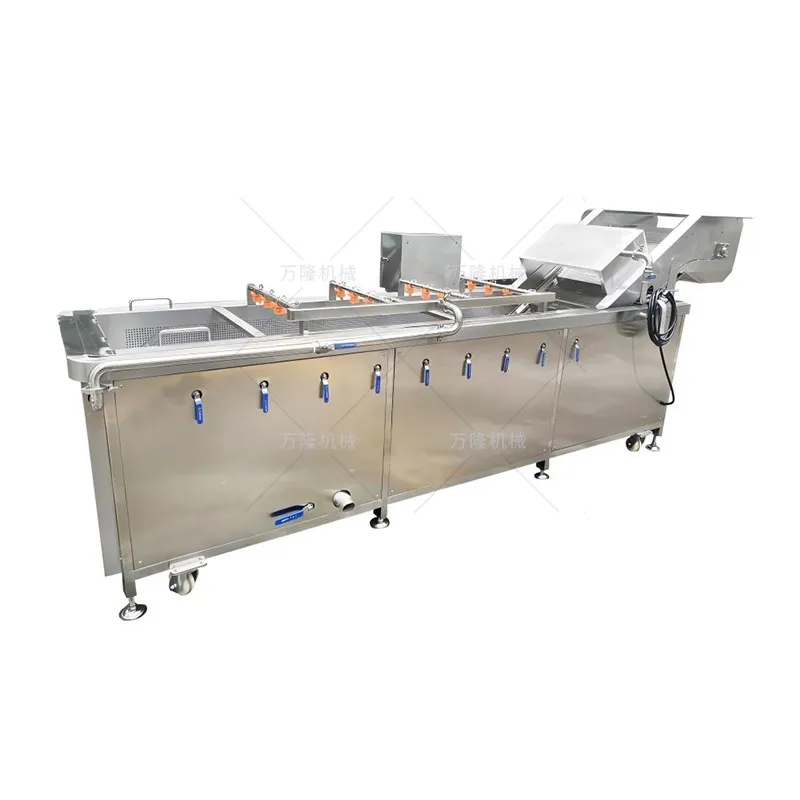
The bubble washing machine has become one of the most common cleaning methods in modern food processing. This machine is used to wash vegetables, fruits and seafood. It also cleans herbs, fresh-cut fruit, mushrooms and herbs. The right machine is essential for many factories, farms, central kitchens and export packers. It can improve the product quality and labor productivity while also ensuring food safety.
Many buyers have the same question. How can I select the best bubble washer?
Answers vary depending on the product, its capacity, automation, factory layout and operating costs. This Bubble Washing Machine Buying Guide explains all that overseas buyers should be aware of before buying.
Foshan Wanlong Machine Co., Ltd. manufactures practical and efficient food-processing machinery for clients worldwide. This includes washing systems, cutting systems, blanching systems, frying systems and complete production lines.
What is a Bubble-washing Machine?
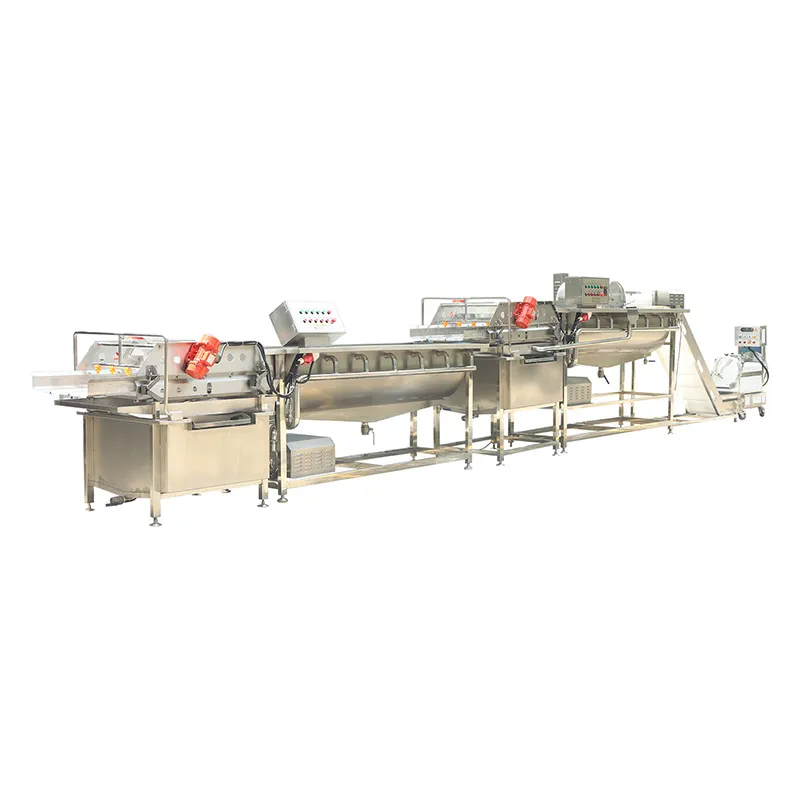
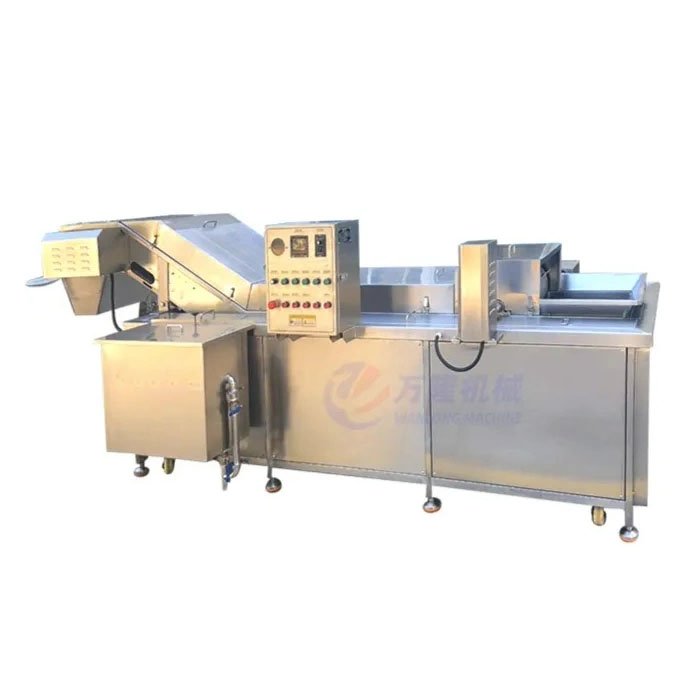
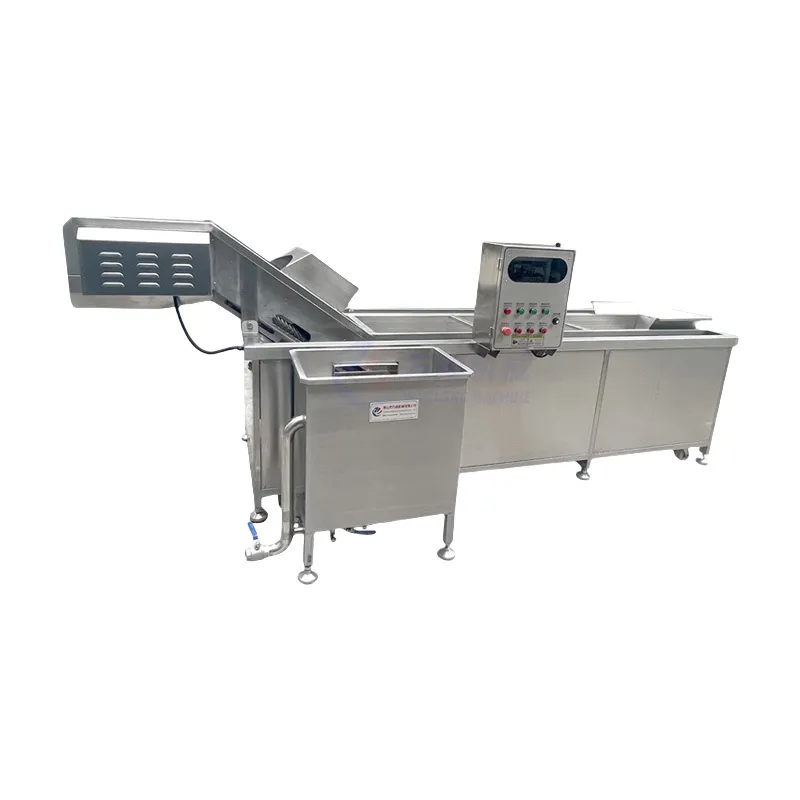
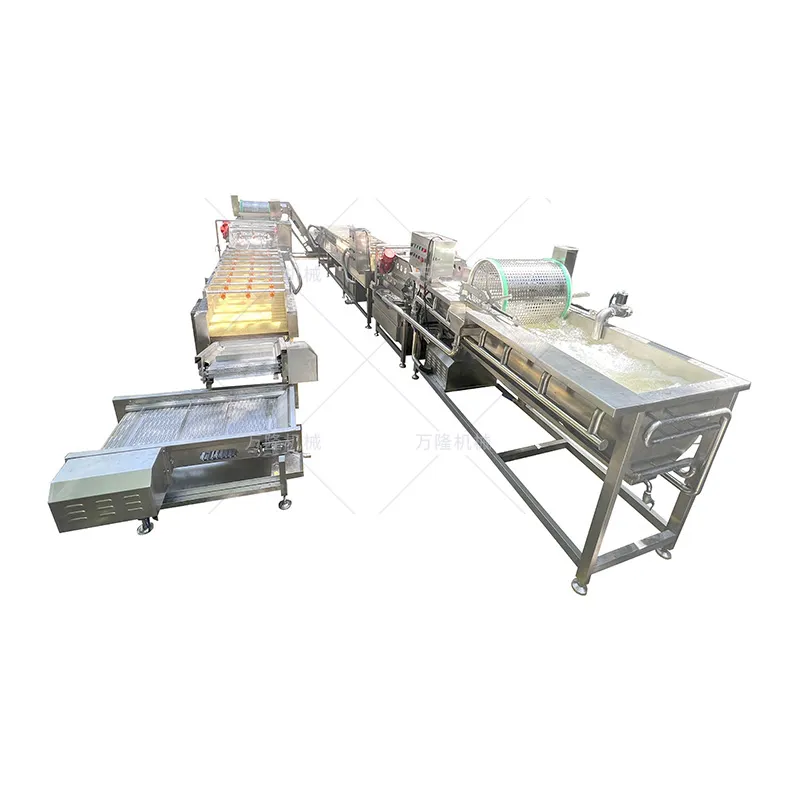
The bubble washer uses air blowers or pumps to create bubbles within a tank of water. The bubbles rise and create water turbulence, which lifts products gently.
Soil
Sand
Dust
Leaves
Insects
Floating debris
Surface residues
Many industrial machines combine:
Bubble cleaning
High-pressure spray rinsing
Conveyor discharge
Water Circulation Filter
Ozone Sanitation Options
According to industrial sources, bubble washing is a gentle but effective method of cleaning produce.
What products can be cleaned?
Bubble washers can be used for a wide variety of foods.
Vegetables
Lettuce
Spinach
Cabbage
Carrot
Potato
Ginger
Chili pepper
Onion
Fruits
Apple
Tomato
Strawberry
Mango
Citrus fruits
Other Products
Mushrooms
Seafood
Pickled vegetables
Fresh-cut Produce
Bubble washers are used in food factories around the world because of their wide range of applications.
The most important factors to consider before buying
- Product Type
The intensity of washing varies depending on the product.
Potatoes and carrots require a stronger wash or a combination of brushing and bubble flow for leafy vegetables.
Choose a machine that has adjustable air flow or conveyor speed if you are processing multiple products.
- Production Capacity
The hourly output is a critical factor in making a purchase decision.
Capacity ranges typical:
300 kg/h for small kitchens and farms
500 kg/h – Commercial kitchens
1000 kg/h – Medium factories
2000 kg/h+ – Industrial processing plants
For smaller operations, compact industrial models can be as small as 25-40 kg per cycle.
When you buy too little, it creates bottlenecks. Too large purchases waste budget and utility costs.
- Machine Material
Prioritise SUS304 stainless for all food-contact surfaces.
Benefits:
Hygienic
Corrosion resistant
Durable
Clean easily
Commercial buyers often request SUS304 full construction.
- Water Saving System
The cost of water is increasing in many countries. You can ask the supplier if it includes:
Filtration tank
Recirculation of water
Sediment discharge system
Fresh rinse spray section
These features can reduce the operating costs by a significant amount.
- Automation Level
Select according to your budget and labor availability.
Semi Automatic Machines
Good for:
Startups
Small kitchens
Budget-conscious shoppers
Fully automatic machines
Good for:
Large factories
Export processors
Continuous production lines
- Easy Cleaning and Maintenance
Hard to clean machines can cause downtime and pose a hygiene risk.
Search for:
Drain valves
Removable filters
Easy access to the pump
Welding smooth finish
Openable covers
Recommendations for Buying Options
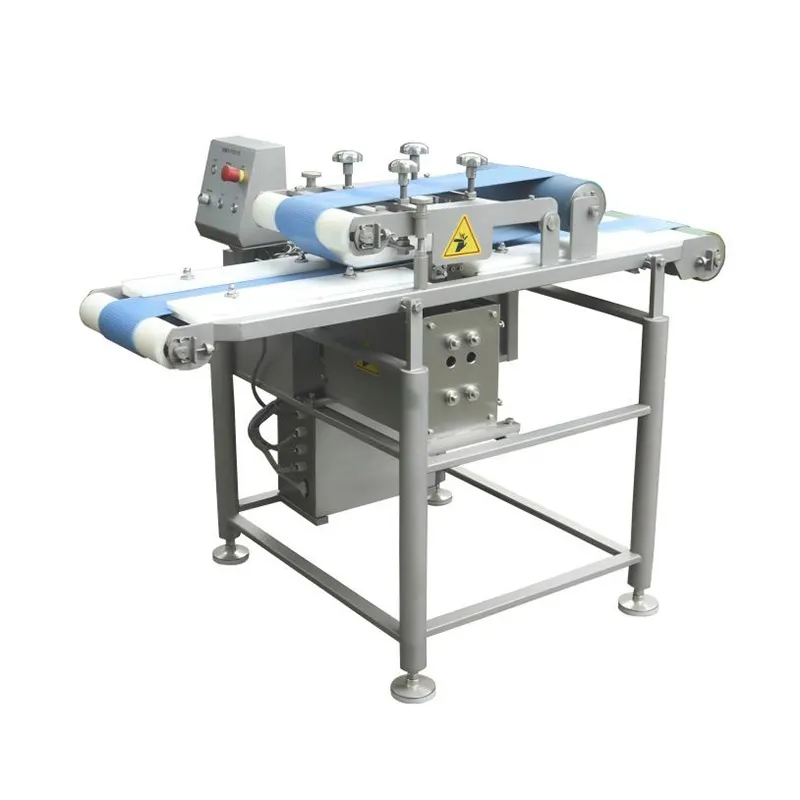
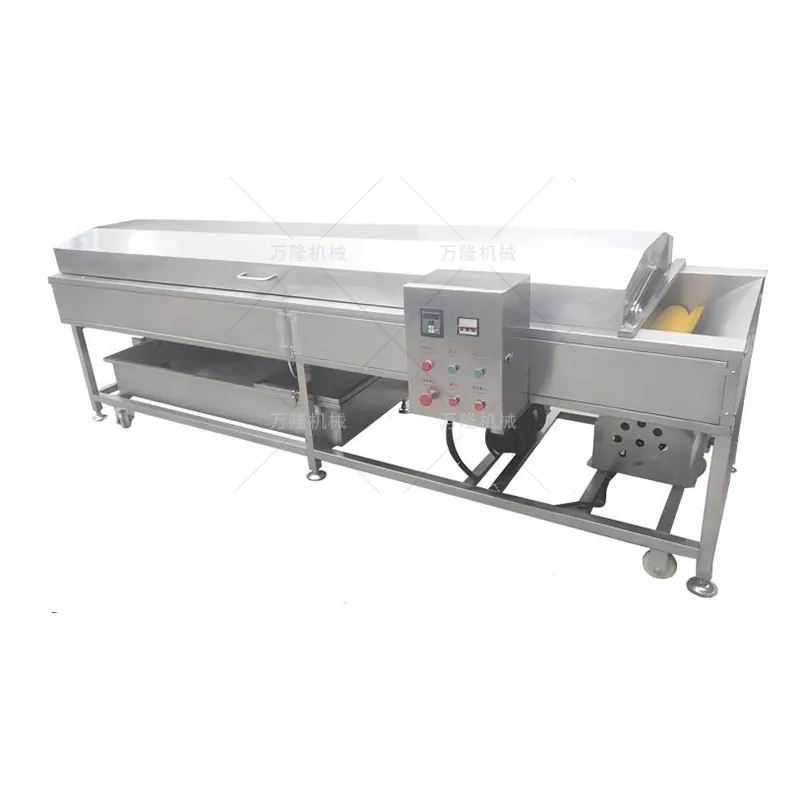
These current listings are a good way for buyers to compare real market options.
Questions to ask any supplier before ordering
What is the actual capacity of the machine?
What products were tested?
What voltage is available in my country?
What is the thickness of stainless steel used?
Are spare parts available quickly?
Does the installation guide include instructions?
Does the machine have a connection to a cutting or drying line?
These questions reveal a lot about the professionalism of the supplier.
Avoid these common buyer mistakes
Buy Only at the Lowest Price
Cheap machines may use:
Thin steel
Weak motors
Poor welding
Low Actual Capacity
Ignoring factory layout
Verify the machine dimensions, drainage direction and working space.
No future expansion plan
You can choose modular systems to add:
Cutting machine
Dryer
Packing line
Conveyor automation
Why Wanlong Machine is the first choice of buyers
Foshan Wanlong Machine Co., Ltd. focuses on real production results.
We have the following advantages:
Food machinery experience since 2016
Expertise in the processing of vegetables and meat
Custom Machine Solutions
Energy-saving designs
Full Production Line Support
Experience in export packing and logistics
Installation and Training Assistance
We assist buyers in choosing machines that will generate long-term values.
The conclusion of the article is:
It’s not just about choosing the cheapest bubble washer. It’s about finding the machine that offers the best combination between capacity, cleaning performance and hygiene.
A machine that is well selected can improve output, reduce labor, protect product quality and support future growth.
Foshan Wanlong Machine Co., Limited provides customers with smarter, more efficient bubble-washing solutions. We can design the best solution for you, whether you only need one washer or an entire vegetable processing line.
The FAQ
- What size bubble washer should I purchase?
Select based on the actual hourly demand. Most buyers underestimate their capacity. Therefore, use the peak production requirements instead of theoretical growth.
- Bubble washing is safe for leafy green vegetables?
Yes. Bubble washing is the most gentle commercial method for washing lettuce, spinach and herbs.
- Can I add dryer and cutting equipment later on?
Yes. Yes.
#BubbleWashingMachine
#VegetableWashingMachine
#FoodProcessingEquipment
#FruitCleaningMachine
#IndustrialWasher