

Blog
How to Choose Frozen Food Factory Equipment
The decision to build or upgrade a frozen food plant is one that requires precision in the equipment selection. The machines that you select directly affect product quality, shelf-life, throughput capacity and long-term operating costs. This guide will walk you through all the important selection criteria of frozen food processing equipment. From washing and cutting, to blanching and drying, as well as line integration, this comprehensive guide will take you step-by-step. Find out how a manufacturer with a deep understanding of fruit, vegetable, and meat processing can guide you through the selection process and help build a production line that is future-proof and compliant.
Globally, the frozen food industry is growing rapidly. This growth is largely due to consumer demand, which includes convenience, a reduction in food waste and availability of seasonal products throughout the year. The journey from freshly harvested protein or farm products to a retail package that is perfectly frozen can be demanding. Installing a freezer is not enough. The quality of the product is determined by upstream processing, including washing, peeling and cutting, blanching and surface drying. The wrong vegetable cutter or a blancher that is too small can cause bottlenecks and compromise texture and colour. It can also increase energy bills. This guide offers a systematic approach to choosing the right machinery for your frozen food factory, so that it can operate at its peak.
Understanding Your Product’s Prefreezing Journey
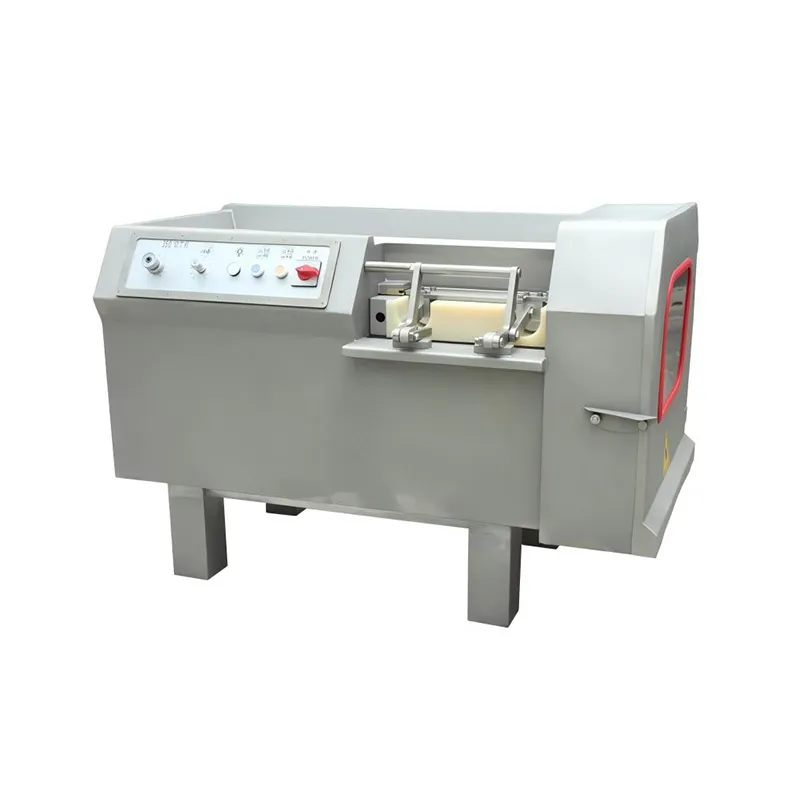
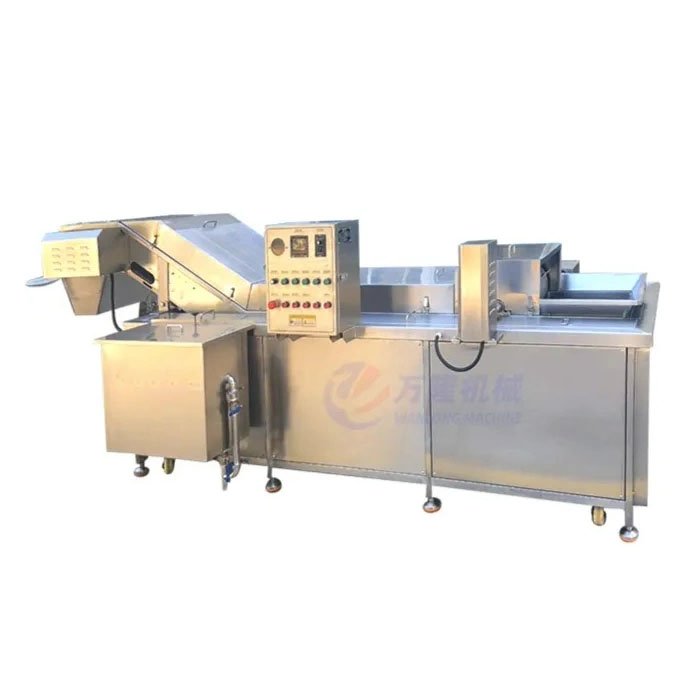
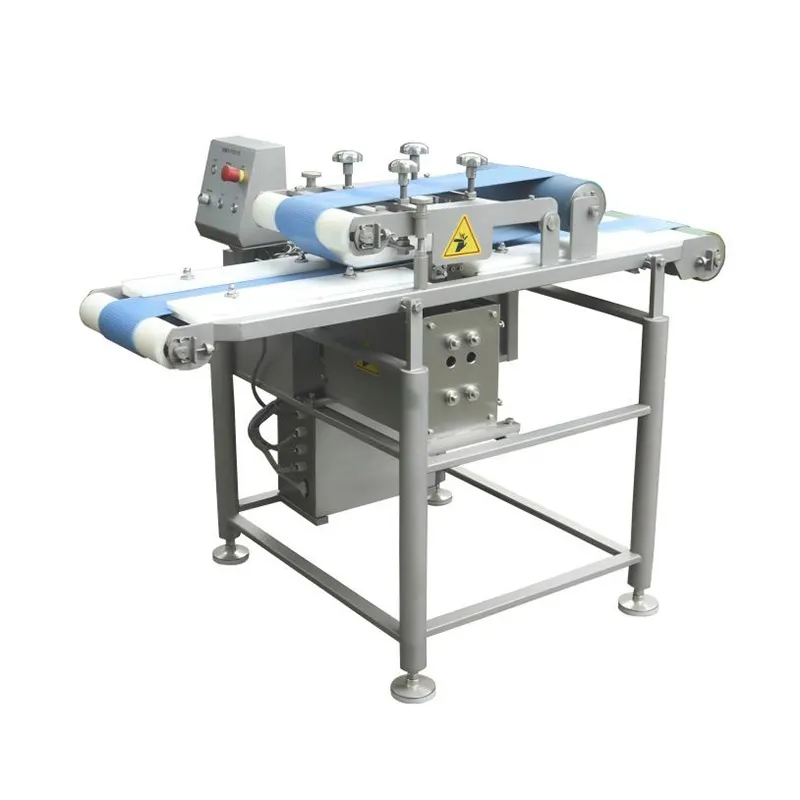
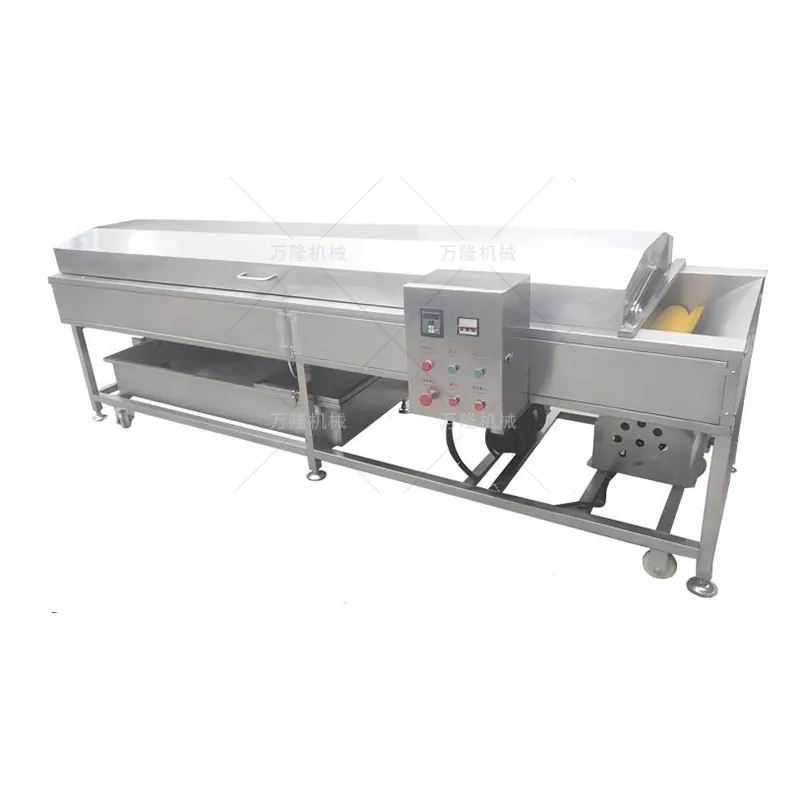
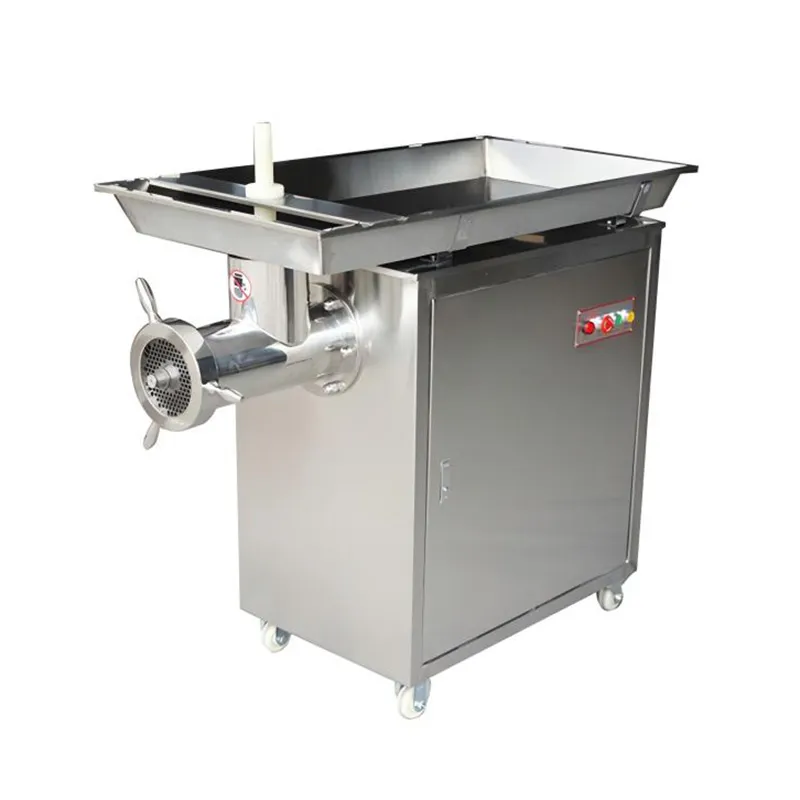
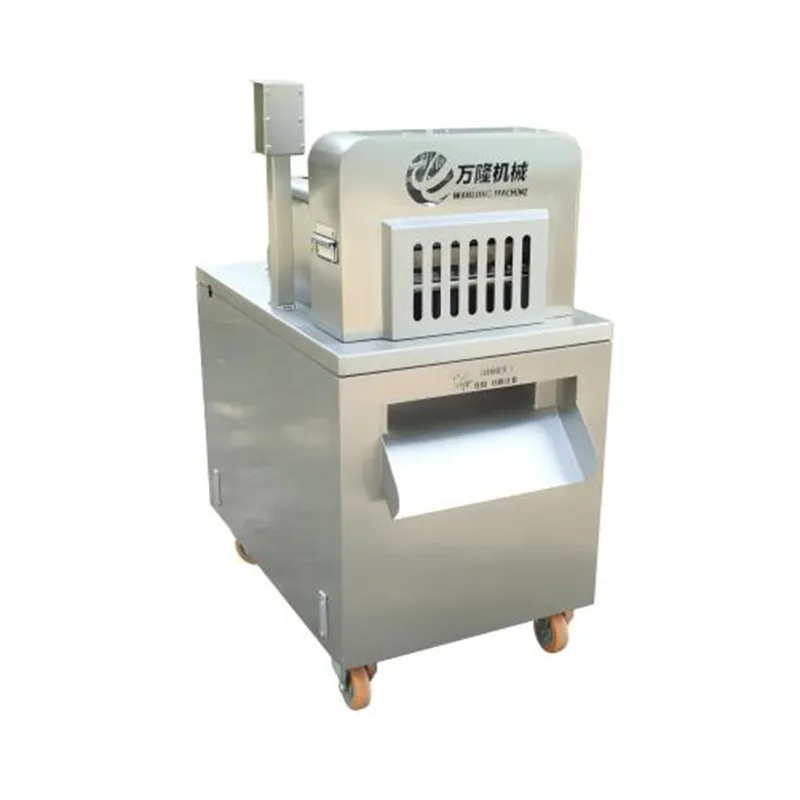
Map out the exact sequence of processing your raw materials requires before evaluating any machines. For example, a frozen broccoli floret production line requires a washing machine for removing field debris, a portioning station, a blancher to lock in the color and inactivate enzymes, and an air-dryer to remove surface moisture which would otherwise cause ice crystals to form during IQF. Peeling is required for a frozen diced potatoes line. A frozen sausage line will require a meat-cutter and perhaps a thermal cooking or blanching step. It is important to identify these stages precisely in order to determine the types of machines and capacities required. Foshan Wanlong Machinery is a manufacturer of pure food deep-processing equipment. They cover the entire spectrum before freezing, including washing, peeling and cutting, blanching and frying equipment, as well as drying.
Prioritize Hygiene Construction and Food Safety Compliance
Frozen does not mean sterile. Any contamination introduced in the processing process will remain in the final product. Pathogens are able to survive freezing. Every piece of equipment that comes into contact with food must be made from SUS304 stainless-steel, which is resistant to corrosion by water, mild acids and cleaning chemicals. To eliminate bacteria harborage, welds should be polished and continuous. Self-draining frames are recommended. Our washing machines and vegetable cutters meet international standards for food safety, CE, and HACCP. They are also designed to support HACCP plans. If you choose equipment, inspect it physically or virtually and check the certificates. This will protect your export license.
Calculate your throughput targets and match machine capacity to them
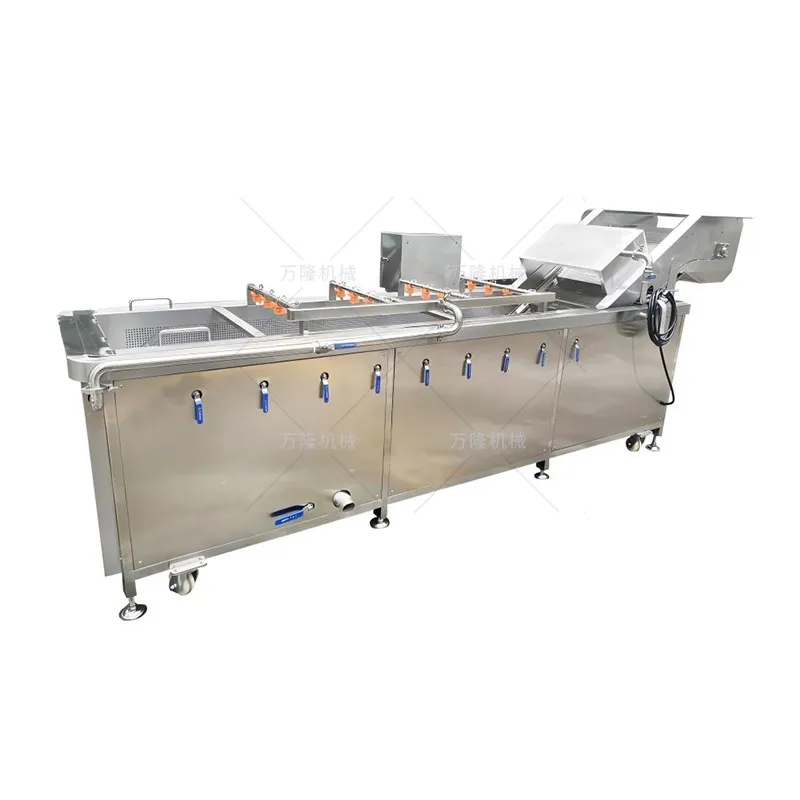
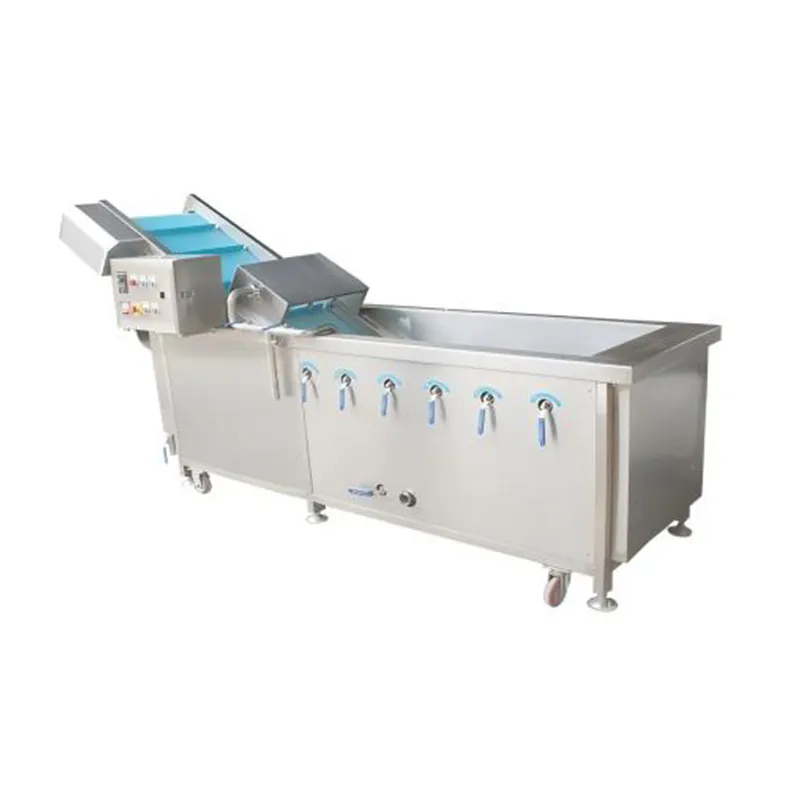
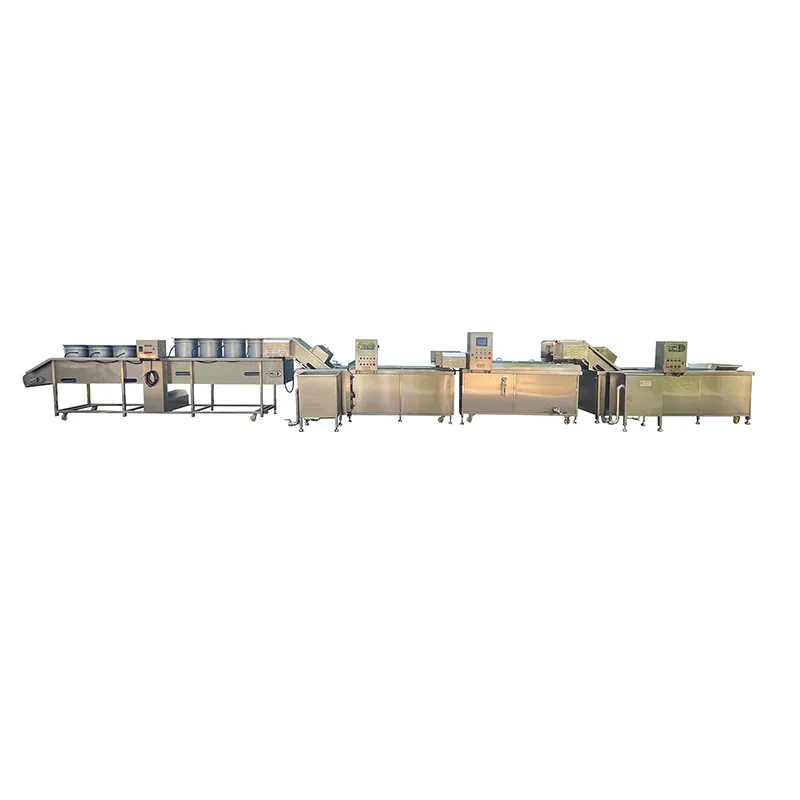
The most common mistake is to buy equipment with a capacity rated at an ideal average, but that can’t handle the peak season surges. Calculate how many kilograms you will process per hour during peak times, and select equipment that has a margin of safety above this. If the equipment downstream is starved by a bottleneck at the blancher for example, it will force machines upstream to stop. Wanlong engineers use your capacity numbers to size each unit – bubble washing machine, peeling machines, cutters, continuous blanchers, and air dryers – so they form a balanced and synchronized line. Our integrated approach ensures that 1,000 kg/hr is achieved holistically and not just on paper.
Look for Intelligent and Energy-Efficient Control Systems
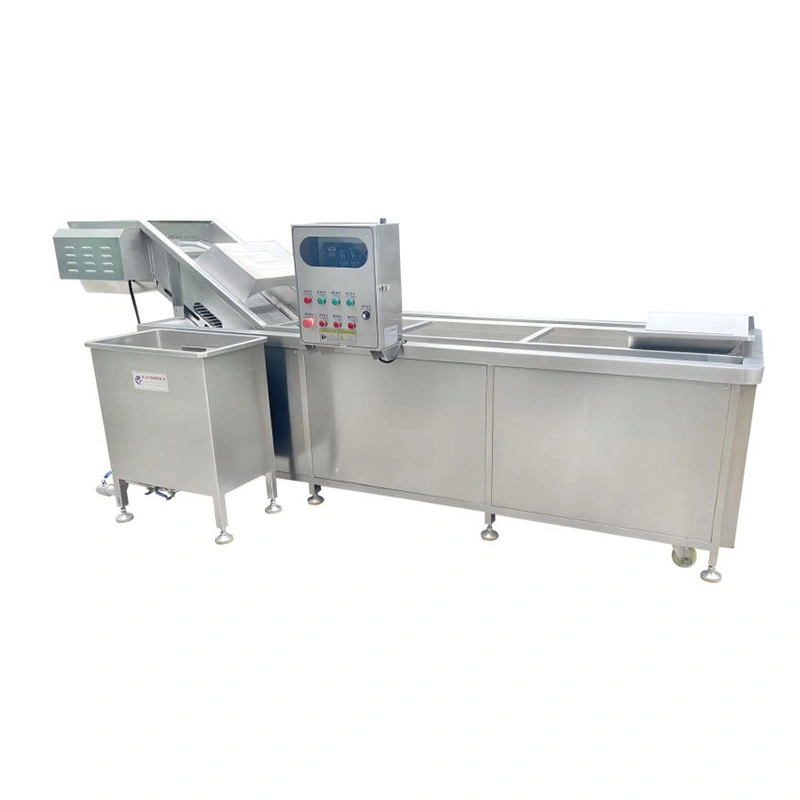
The energy used by frying machines, air dryers and blanching tanks is significant. These utility costs have a direct impact on profitability in a frozen food environment with a high margin. Select equipment that has high-density thermal insulation in hot zones, variable frequency drives (VFDs), on motors and on conveyors, as well as intelligent temperature controls to reduce energy waste at idle intervals. Wanlong’s continuous blanching machine features PID-controlled electric or steam heating, with precise zone control. Air dryers circulate heated air and our cutters have load-sensing drive systems. The PLC allows for parameter recalls to be made for each product, which reduces changeover times and energy spikes.
Consider a Complete Line Integration over Standalone Purchases
Multiple suppliers can lead to compatibility issues, different control interfaces and a lack centralized accountability for the performance of an entire line. Turnkey solutions from a single manufacturer can eliminate these risks. Wanlong offers complete frozen food line design from the raw material receipt to the freezer infeed. We design mechanical interfaces to ensure seamless product transfer, and integrate all electrical control into a master panel. Your washing machine, vegetables cutter, blancher, and air dryer will all communicate with each other. This results in a line that is smoother, more reliable, and requires less operator interaction. The installation is simplified, and future calls for technical support will be directed to a single point.
Evaluate Customization Potential for Your Unique Product Mix
A standard blancher might be ideal for green beans, but too harsh on delicate spinach leaves. A generic vegetable cutter could smash soft strawberries rather than slice them cleanly. For a factory that produces multiple frozen SKUs, the ability to customize belt materials, blade sets, agitation intensities, and temperature curves, is essential. As a pure manufacturer, Wanlong has the engineering agility to tailor machines to your product’s exact specifications–whether it’s a peeling machine for a specific potato variety or a frying line for a unique coated product. The bespoke engineering will ensure that your equipment gets the maximum yield and quality out of your raw materials.
Check for After-Sales Service and Spare Parts
In a frozen foods factory, equipment downtime can cause raw materials to spoil. Understand the after-sales infrastructure of a manufacturer before you commit. Does the manufacturer offer remote video diagnosis? How fast are spare parts shipped internationally? Does the company offer installation and training assistance? Wanlong offers a lifetime free of charge technical consultation. They also have a spare parts stock, offer express courier delivery and provide on-site commissioning. We provide comprehensive documentation and training to empower your local team.
The conclusion of the article is:
Equipment for a frozen foods factory is an investment into the future of your brand. A good selection will ensure a consistent product, manageable costs and scalable capacities. You can create a facility capable of serving the retail and foodservice market with confidence by prioritizing hygienic designs, balanced throughputs, energy efficiency and line integration. Foshan Wanlong brings to your project a single, dedicated focus on deep-processing equipment for food. We are not generalists; we are partners who understand the exact sequence of washing and peeling, cutting and blanching before the cold chain can take over. We can engineer a frozen processing solution to meet your goals.
FAQs (Frequently Asked Questions)
Q1: Which equipment is most important for pre-freezing frozen vegetables? How do I correctly size a blancher machine?
The blancher is the most important machine, since it neutralizes enzymes which cause flavor and color degradation during freezing. The size of the machine depends on how long the product needs to be at a specific temperature, the amount of throughput (in kg/hr) and the depth that the product can tolerate. Our engineers calculate the belt width, length and thermal input according to your vegetable’s heat-transfer characteristics and target capacity. This ensures that every piece gets the exact time-temperature treatment needed for optimal freezing.
Q2: What happens if I don’t use an air dryer before freezing IQF?
After washing or blanching, an air dryer can remove surface moisture. This step is necessary because if you don’t do it, the excess water will form ice on top of your product when IQF-freezing. This can cause it to clump, resulting in uneven freezing, freezerburn, and a bad appearance. A clumped product can also make packaging and portioning more difficult. Air dryers with high efficiency use controlled air pressure to dry the surface. This is crucial for individual quick freezing, and for premium visual quality.
Q3: Is it possible to get frozen vegetables and meat products in a single line?
This is one of the core advantages to working with a Foshan Wanlong specialist. We can design parallel or hybrid lines because we are able to engineer both meat and fruit processing machinery. It means that you can integrate all of your frozen products under one roof, including washing, cutting and blanching equipment, as well as frying and drying equipment. This will provide unified controls and coordinated delivery.
#FrozenFoodProcessingEquipment
#BlanchingMachine
#AirDryerForFrozenFood
#VegetableProcessingLine
#FoodFactoryEquipment