

Blog
Commercial Industrial Meat Cutting Machine for Modern Food Processing Plants
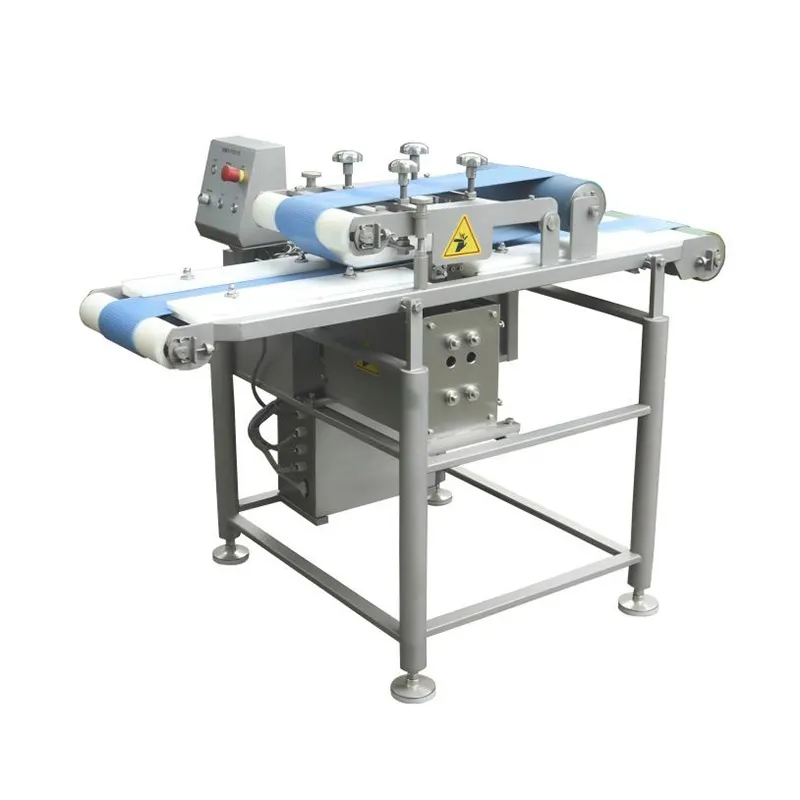
Cutting is a crucial stage in modern meat processing because it affects the efficiency, consistency of portions, appearance and performance of downstream packaging. Manual cutting methods have become increasingly inefficient as the demand for fresh meat, prepared meals, frozen meat products and portion-controlled foods continues to increase.
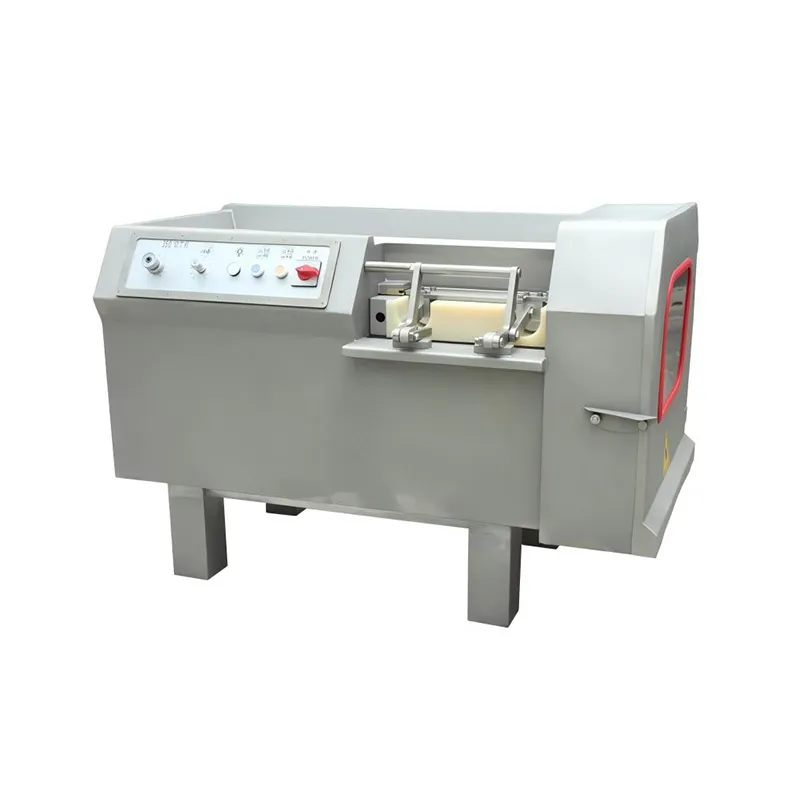
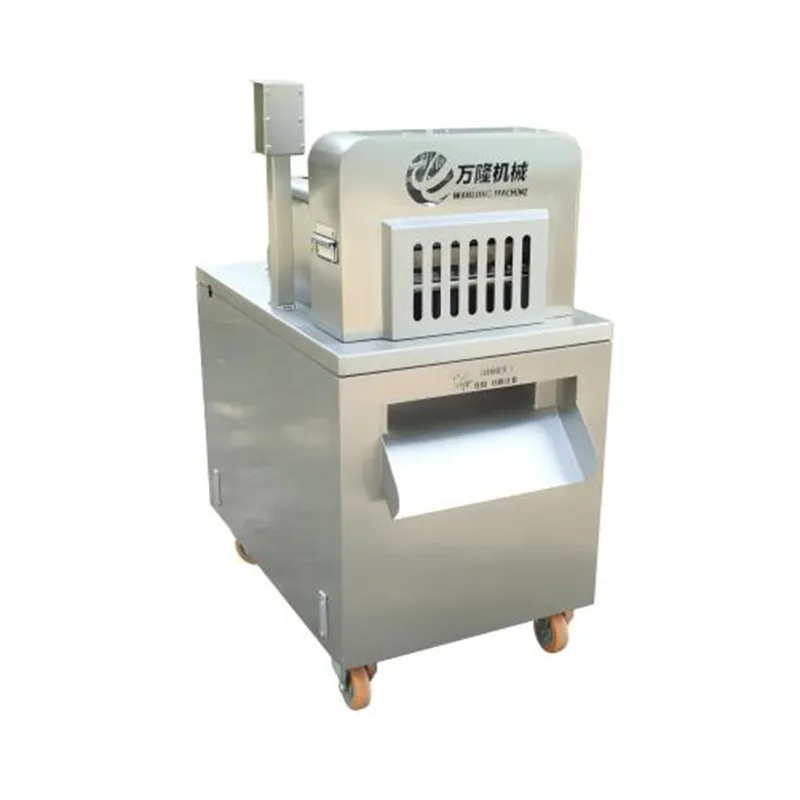
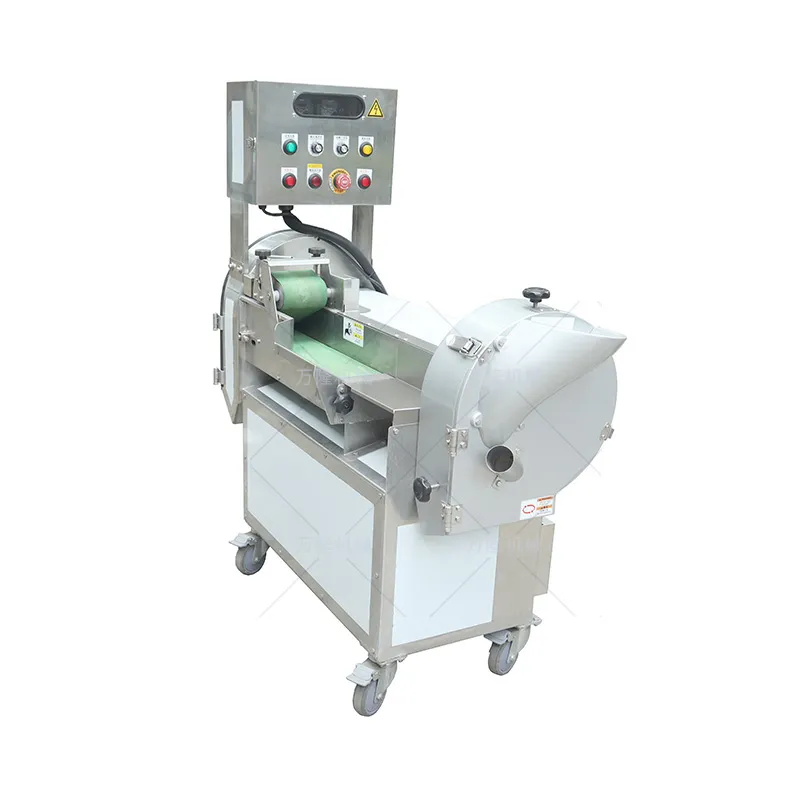
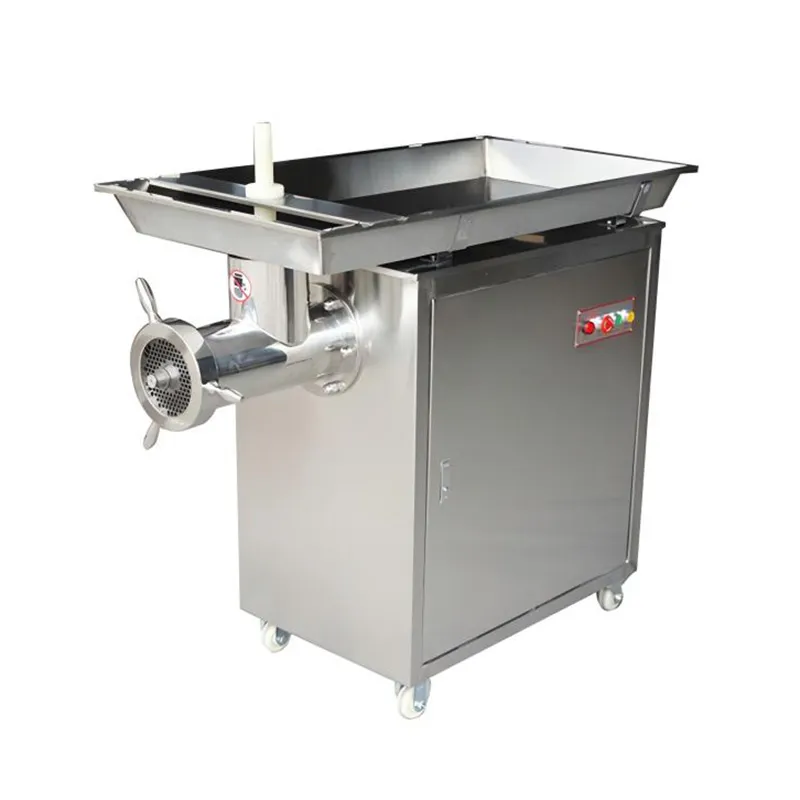
Commercial industrial meat cutting machines are designed to process large quantities of meat accurately and quickly. The machine can be used for slicing or dicing meat, strip cutting, shredding or portioning. Food factories can increase output, reduce waste and maintain product quality by replacing labor-intensive manual processing with standardized mechanical work.
Before cutting, most meat processing lines trim, sort, or condition the raw material to a certain temperature. The firmer texture of semi-frozen and fresh chilled meat allows for cleaner and more precise cutting. Once the meat has been loaded into the machine it is then guided through blades and cutting systems that produce uniform sizes in accordance with product specifications.
Different applications require different cutting results. Sliced meat, for example, is commonly used in hotpots and retail packs, diced is used most often in prepared meals and on skewers while strips are used widely in marinated products and stir-fry food processing. These dimensions can be more precisely adjusted by industrial machines than they could manually, which is helpful in maintaining consistent standards for large production batches.
Consistency of meat cutting machines is one of their main advantages. When cutting meat manually, there is a tendency for size variations, particularly during long production shifts. Uneven cuts may affect the cooking performance, packaging weight accuracy and presentation. Mechanical cutting systems maintain repeatable measurements, which is important for businesses that supply supermarkets, restaurants and export markets.
Another important factor is production speed. Because raw meat is handled in a limited window and the cold-chain must be maintained, processing plants are often under tight deadlines. Automated cutting machines increase hourly output and reduce bottlenecks in the deboning, packaging, freezing, and marinating stages. The entire production line becomes more efficient.
In commercial meat processing, it is important to control the yield. Manual cutting errors can result in irregular trimming or waste. Cutting machines that are designed properly can maximize the amount of usable portion while minimizing unnecessary waste. Even small increases in yield over time can result in significant cost savings, especially when processing large volumes of material daily.
Both hygiene and sanitation are important. Meat processing machines are typically constructed with stainless steel and smooth surfaces to allow for easy cleaning and reduce residue accumulation. It is essential to have blades and other contact parts that are easily disassembled for sanitation purposes and to comply with food safety regulations. Equipment design is important for operational safety, as meat products are sensitive to contamination.
Commercial industrial meat-cutting machines are used widely in fresh meat plants, frozen food plants and central kitchens. They can also be found in catering supply chains and facilities that produce prepared meals. Automated cutting systems are becoming more and more important as consumer demands shift to convenience foods and standard portions.
Modern meat processing operations cannot function without a commercial industrial meat cutter. It increases cutting consistency, improves production efficiency, helps with yield control and maintains hygiene standards in large environments. While meat processors continue their focus on automation and the quality of products, cutting equipment that is reliable remains an important component in efficient and scalable production.
#MeatCuttingMachine
#IndustrialMeatProcessing
#CommercialMeatCutter
#FoodProcessingEquipment
#MeatProcessingLine