

Blog
Seafood Cleaning and Processing Equipment Solution
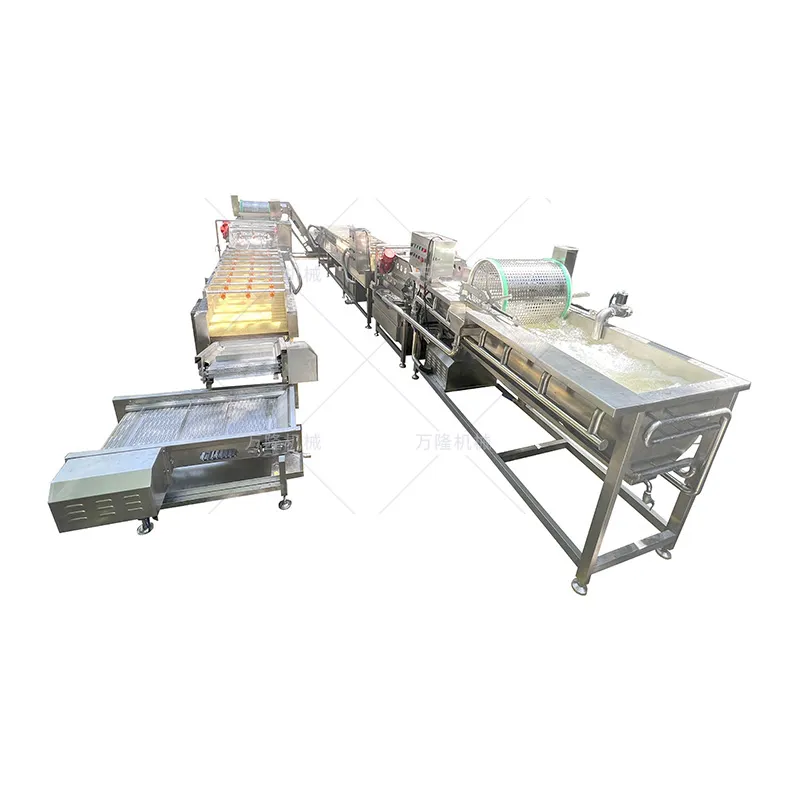
Hygiene, gentleness, and efficiency are the key features of this solution for cleaning and processing seafood.
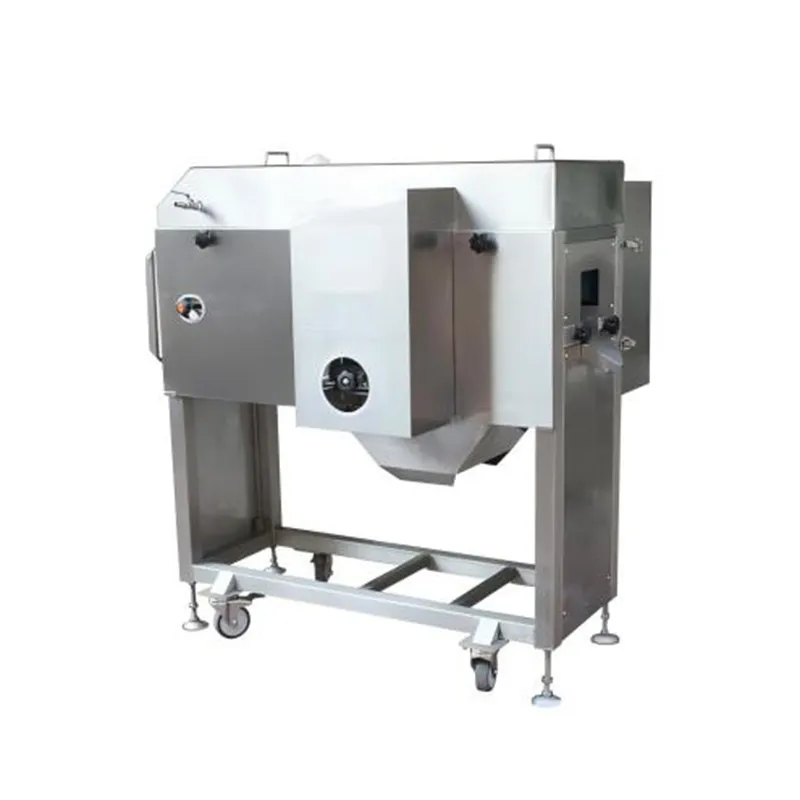
Seafood processing is a unique process that presents challenges unlike any other. Equipment that is designed with precision, with a deep understanding of the process, is required to handle delicate flesh, quickly spoiling food, strict hygiene standards, and diverse species specific handling requirements. This article examines the world of specialized seafood cleaning and processing machinery, from delicate washing systems to precise portion cutters and integrated blanching lines. This article reveals how a food machinery manufacturer such as Foshan Wanlong can provide the hygienic and efficient solutions that seafood processors require to maintain product quality, extend shelf-life, and meet the strict standards of international export markets.
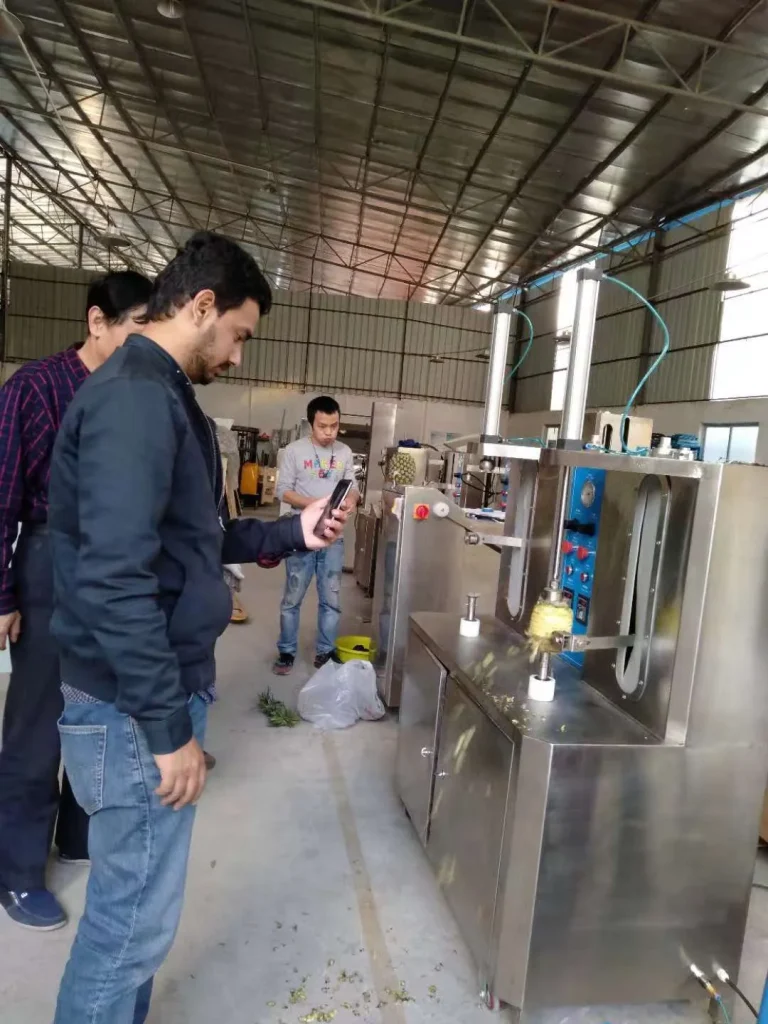
Globally, the seafood industry adheres to some of the most stringent quality and hygiene standards. Handling shrimp, fish, shellfish and cephalopods require machinery that is sensitive to fragility. One bruised fillet or cracked shell of a shrimp, or insufficient surface moisture removal, can reduce a premium product’s price to that of a commodity, and even trigger rejection at the border. Seafood processors of all sizes, from small coastal operations to large industrial freezers, have a similar need: equipment which cleans, cuts and heat-treats the seafood with absolute cleanliness and without compromising on gentleness. Foshan Wanlong Machinery is a manufacturer of deep-processing equipment for food. They have developed a seafood equipment ecosystem to meet these needs.
Hygiene and Sanitary Design: The Importance of Stainless Steel
The materials used in seafood processing equipment are subjected to harsh washdown conditions where oil, salt water and organic residues continually challenge the material integrity. All of our seafood machines are made from SUS304 stainless, which is selected for its resistance against chloride corrosion. This is a non-negotiable. The structural design is based on strict sanitary principles, including the choice of raw materials. Surfaces are polished with a food-grade finish to resist biofilm adhesion. Frames are built using sloped or round profiles that allow water to drain completely during cleaning cycles.
The same design principles are used across the entire seafood line. Whether it’s a bubble washer for mussels, an automatic shrimp blancher, or a forced air dryer for fillets of fish, these design principles apply. Each machine is designed so that sanitation teams can clean in place without having to disassemble the machines. This sanitary architecture is a great asset for seafood exporters who are subject to regular FDA, EU or other regulatory audits.
Product Integrity: Gentle Handling is the Engineering of Product Integrity
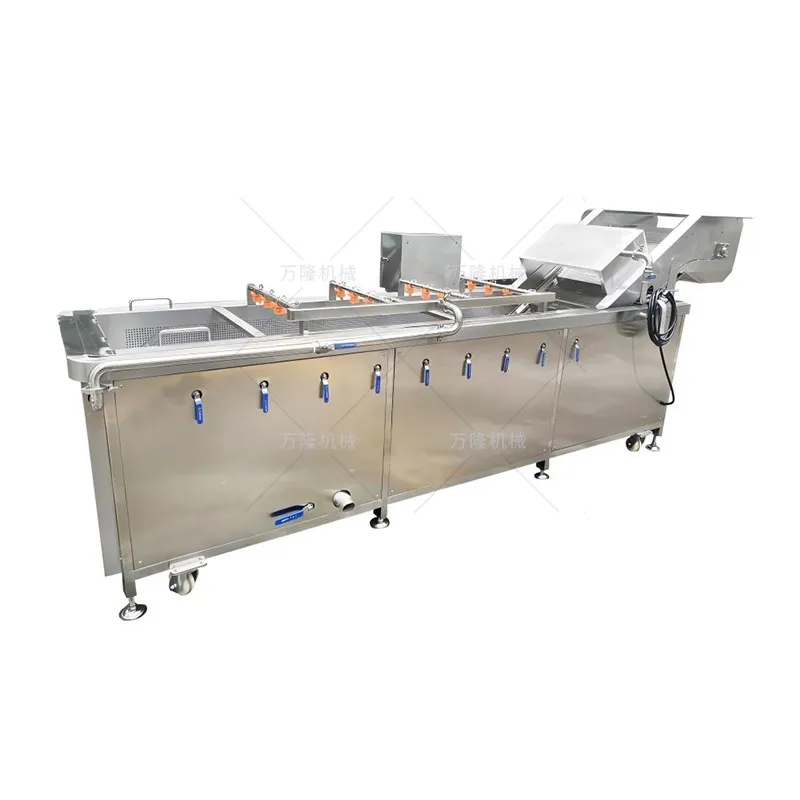
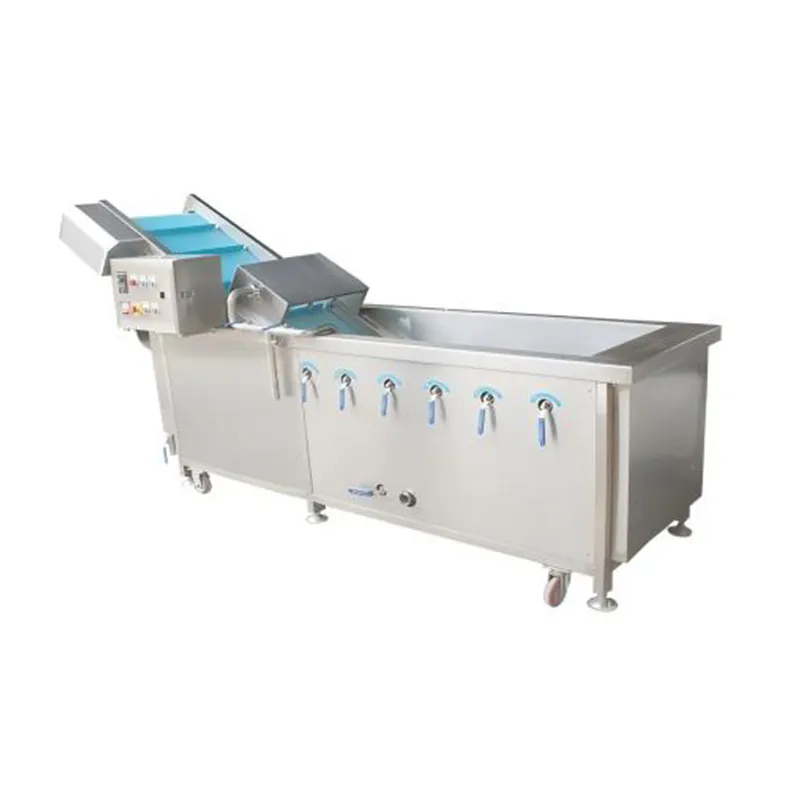
Mechanical gentleness is the key to successful seafood machinery. Instead of aggressive tumbling, our seafood washing systems use precisely calibrated bubbles agitation. Shellfish washing machines, for example, use a combination soaking, air injection scrubbing and a gentle lifting conveyor to remove sand, debris and stress without damaging the shells. We configure low-pressure washing stations for delicate fish fillets with belt materials that grip the product without marking it, minimising flesh damage.
This gentleness is also extended to cutting applications. Our engineering team, while known for our robust meat and vegetables cutters adapts cutting technology to seafood specifics. This includes strip-cutting and portioning for squid and fish fillets. Blade geometries are optimized for clean, shear cuts that preserve the cellular structure instead of tearing fibers. This results in a beautiful cut surface for retail packaging, and one that loses less water during freezing or cooking.
Thermal Processing of Seafood: Precision Blanching and cooking
Many seafood products need a precise temperature step. This could be for blanching shrimps to set color and texture or cooking shellfish in order to prepare ready-to-eat food lines. Our continuous cooking and blanching machines have multi-zone temperature controls, which allow ramp-up, hold, and cooling phase to be dialed in according to exact recipe parameters. For example, a shrimp blancher can be programmed for a two-minute immersion in 98-degree Celsius water, followed by an air or chilled water cooling stage to stop carryover cooking. A PLC controls the belt speed, the water circulation rate and the thermal input. This ensures that every shrimp, from the first one to the last, receives the same treatment.
Our machines are designed for processors who want to produce high-value products such as seafood medleys that have been marinated or cooked. They also include oil-cooking and steam-cooking rooms, allowing them to reduce the number of handling steps and contamination risk.
Moisture management: drying for quality and shelf life
Surface moisture excess is detrimental to the quality of frozen seafood. It can cause freezer burn, ice formation and clumping when IQF (Individually Quickly Frozen) is used. Our high-efficiency air drying systems, incorporating both air knife technology and controlled-temperature forced-air tunnels, rapidly strip surface water from shrimp, fillets, and shellfish after washing or blanching. The adjustable air temperature and variable-speed drive allow the processor to adjust the drying curve according to different species. For example, larger shrimp require a more gentle drying regime than smaller fish portions. Effective moisture removal prior to freezing results in improved visual appeal, weight loss reduction, and shelf stability.
Turnkey Integration of Seafood Processing Lines
It is especially dangerous to have a fragmented machine setup in the seafood industry, as products must be moved continuously between cold environments. Wanlong’s value proposition is its ability to provide a turnkey, integrated seafood processing line. We manufacture and design the entire chain, including receiving and washing stations; sorting and grading conveyers; precision cutting units; continuous blanching machines or cooking machines; chilled water or air cooling systems, and final surface-drying systems. One engineering team oversees the entire chain, ensuring seamless belt interfaces, unified control logic, and a compact factory footprint. The one-stop accountability simplifies the procurement, installation and maintenance.
The conclusion of the article is:
Seafood processing requires a partner who respects both the fragile product and the strict standards of the international market. Foshan Wanlong Machinery offers deep food processing expertise in the seafood industry, providing washing, cutting and blanching equipment that is gentle, effective and meets measurable standards. Our customizable, turnkey solution ensures that your equipment will work in harmony with each other to maximize production, protect product quality and minimize labor. Let’s design a solution to handle your catch with care.
FAQs (Frequently Asked Questions)
Q1: Are your machines able to handle different species of seafood, including shellfish and fish, without causing any damage?
A: Yes. Our washing systems have adjustable parameters – air bubble intensity, water rate, belt speed and spray pressure – that can be tailored to the fragility and cleaning needs of different seafood. After a quick change of parameters, a single machine can be used to process mussels one day and delicate fish fillets the next. We design the contact surfaces and the transfer mechanisms so that they are inherently gentle. This allows us to accommodate the diverse product variety common in seafood processing facilities.
Q2: What is the best way to ensure that the cooking or blanching machine maintains the exact time and temperature for export quality seafood?
Our continuous thermal processors use variable-frequency drive belt motors and multi-probe temperature control. The temperature of the steam or water is continuously monitored and is adjusted in real time, while the speed of the belt – and therefore the exact residence-time – are precisely controlled. The machine has alarms that sound if the temperature exceeds your tolerance. This level of control meets the strict process documentation requirements required by many seafood export regulations.
Q3: Does the entire line of seafood processing equipment use corrosion-resistant materials that are suitable for a humid, salty processing environment?
A: Absolutely. Our seafood equipment is constructed exclusively of SUS304 stainless-steel, with all structural components, fasteners and even electrical enclosures being specified for high humidity, saline washing conditions. The welds, which are continuously welded and passivated for corrosion resistance, are kept continuous. This is not an upgrade but a design element that is fundamental, as we know the environment in which seafood is processed is among the most aggressive. This material discipline is essential to the machine’s durability and hygiene integrity, right from the first sheet of stainless steel.
#SeafoodProcessingEquipment
#FishCleaningMachine
#ShrimpBlanchingLine
#SeafoodDryingSystem
#StainlessSteelFoodMachinery