

Blog
Is the Large Fruit Peeling Machine Efficient?
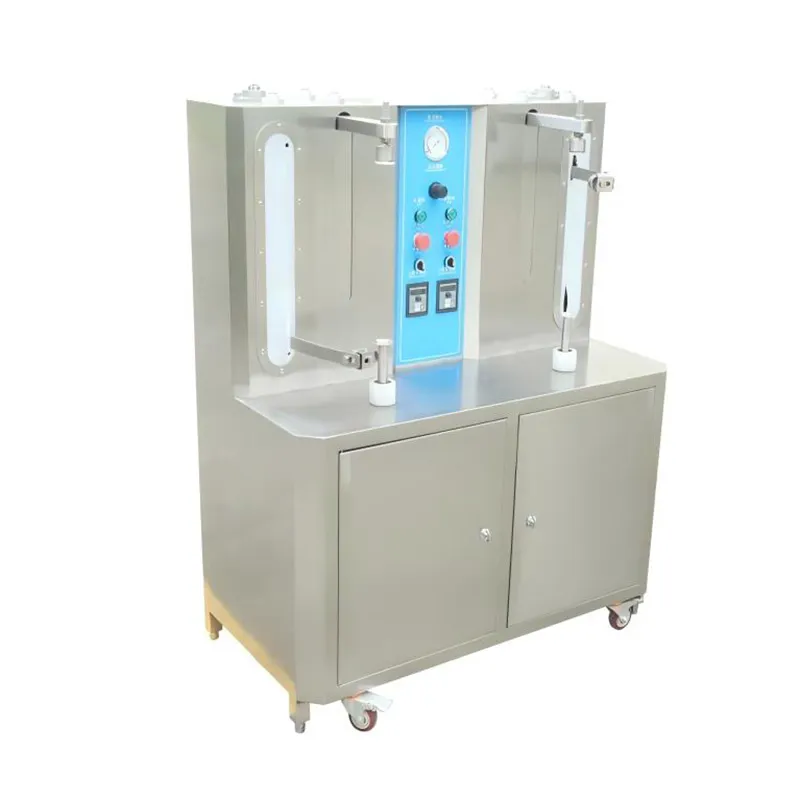
In the competitive world of food processing and commercial kitchens, efficiency is a key factor driving success. One of the critical tasks in fruit preparation is peeling, and this is where large fruit peeling machines come into play. These machines are designed to handle high volumes of fruit peeling, offering a potential boost in productivity. But the question remains: **Is the large fruit peeling machine efficient?** In this article, we’ll explore the efficiency of large fruit peeling machines, considering their advantages, limitations, and how they compare to manual peeling methods.
Understanding Large Fruit Peeling Machines
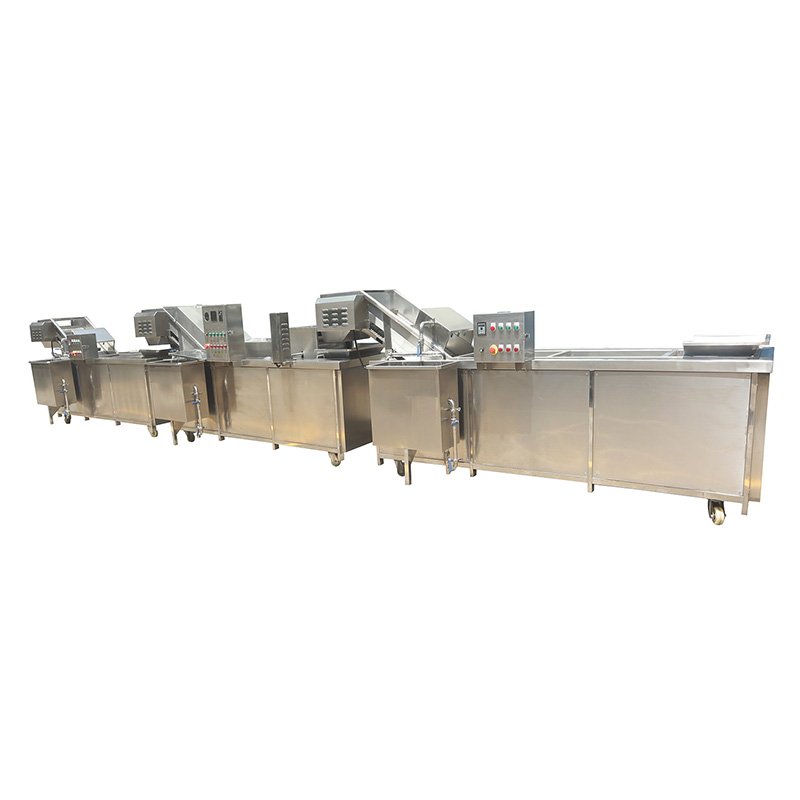
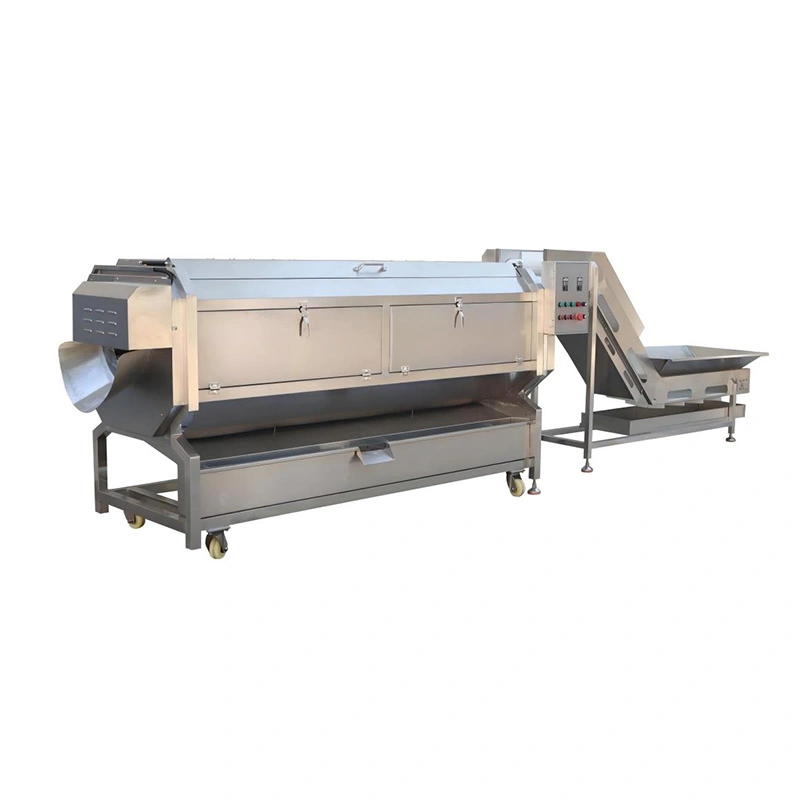
Large fruit peeling machines are specialized equipment designed to peel a high volume of fruits quickly and consistently. They are typically used in commercial kitchens, food processing plants, and industrial settings where large quantities of fruit need to be processed regularly. These machines come in various designs, including rotary peelers, drum peelers, and abrasive peelers, each with its own set of features and benefits.
Advantages of Large Fruit Peeling Machines
- High Efficiency and Speed
One of the most significant advantages of large fruit peeling machines is their ability to process fruits quickly and in large quantities. These machines are designed to handle bulk operations, peeling thousands of fruits per hour compared to manual methods, which are significantly slower. The high processing speed helps streamline production workflows, reduce labor costs, and increase overall productivity.
- Consistent Results
Consistency is crucial in food preparation, and large fruit peeling machines excel in this area. Unlike manual peeling, which can vary in quality depending on the operator’s skill and technique, these machines provide uniform peeling results with each use. This consistency ensures that the peeled fruit meets quality standards and reduces waste due to uneven peeling.
- Labor Savings
Manual peeling is labor-intensive and time-consuming, requiring significant human effort, especially in high-volume operations. Large fruit peeling machines automate this process, reducing the need for manual labor and allowing staff to focus on other important tasks. By minimizing manual peeling, businesses can optimize their workforce and allocate resources more effectively.
- Reduced Waste
Efficient peeling machines are designed to minimize waste by ensuring that the fruit’s edible portion is preserved. Advanced models incorporate features such as adjustable peeling depths and precise controls, which help reduce the amount of fruit lost during peeling. This reduction in waste can lead to cost savings and a more sustainable operation.
Limitations of Large Fruit Peeling Machines
- Initial Cost and Maintenance
Large fruit peeling machines come with a higher initial investment compared to manual peeling methods. The cost of purchasing, installing, and maintaining the equipment can be substantial, especially for smaller operations. Additionally, regular maintenance is required to keep the machines in optimal condition, which adds to the overall cost.
- Size and Space Requirements
These machines are typically large and require significant space within a commercial kitchen or food processing facility. Their size can be a limiting factor for operations with limited space or those that need to maximize their floor area. Proper planning is essential to ensure that the machine fits within the available space without disrupting workflow.
- Specialization and Versatility
While large fruit peeling machines are highly efficient for peeling specific types of fruit, they may not be versatile enough to handle all fruit varieties or peeling requirements. Some machines are designed for particular fruits and may not be suitable for others. Businesses should carefully consider their fruit processing needs and choose a machine that aligns with their requirements.
Comparing Efficiency to Manual Peeling
When comparing the efficiency of large fruit peeling machines to manual peeling, several factors come into play:
- Processing Speed: Large fruit peeling machines offer a significant advantage in terms of processing speed, handling high volumes of fruit much faster than manual methods. This speed is particularly beneficial for large-scale operations that require rapid processing.
- Consistency and Quality: Machines provide consistent peeling results, which can be challenging to achieve manually. This consistency helps maintain product quality and reduces variability in the final product.
Labor Costs: Automated machines reduce the need for manual labor, which can result in cost savings and more efficient use of human resources. Manual peeling, on the other hand, is labor-intensive and can be costly in terms of both time and wages.
Waste Management: Efficient peeling machines are designed to minimize waste, which can be a challenge with manual peeling due to variations in technique and skill levels. Reducing waste not only saves money but also contributes to more sustainable practices.
Conclusion
Large fruit peeling machines offer notable efficiency advantages in terms of speed, consistency, and labor savings. They are well-suited for high-volume operations where rapid and uniform peeling is essential. However, the initial cost, maintenance requirements, and space considerations are important factors to weigh when deciding whether to invest in such equipment.
For businesses that handle large quantities of fruit and need to maintain high standards of quality and productivity, large fruit peeling machines can be a valuable addition to their operations. By automating the peeling process, these machines help streamline workflows, reduce labor costs, and ensure consistent results.
Ultimately, the decision to invest in a large fruit peeling machine should be based on a thorough assessment of your specific needs, budget, and operational space. When used effectively, these machines can significantly enhance efficiency and contribute to a more productive and cost-effective food processing operation.