

Blog
What Are the Benefits of Using Fruit and Vegetable Washing Machines in Restaurants?
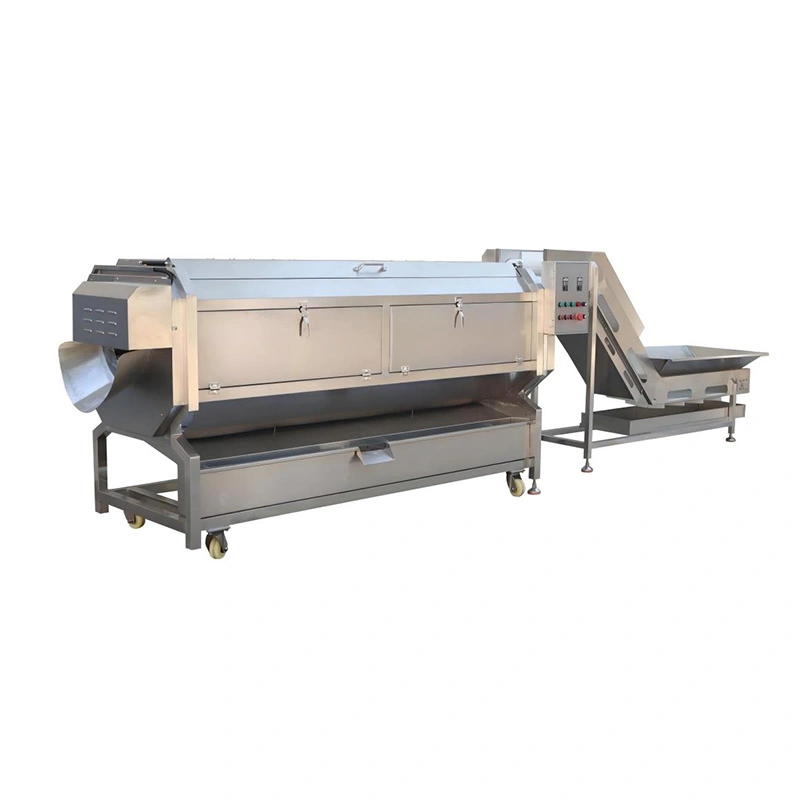
In the fast-paced world of restaurant operations, efficiency and food safety are paramount. One often overlooked aspect of maintaining high standards is the cleaning of fruits and vegetables. While manual washing methods may suffice in a home kitchen, restaurants require a more robust solution to ensure consistency, efficiency, and compliance with health regulations. This is where fruit and vegetable washing machines come into play. In this article, we’ll explore the significant benefits of using these specialized machines in a restaurant setting.
Enhanced Food Safety and Hygiene
Food safety is a critical concern in any restaurant, and fruit and vegetable washing machines play a vital role in ensuring that produce is clean and free from contaminants. These machines are designed to remove dirt, pesticides, and microorganisms more effectively than manual washing.
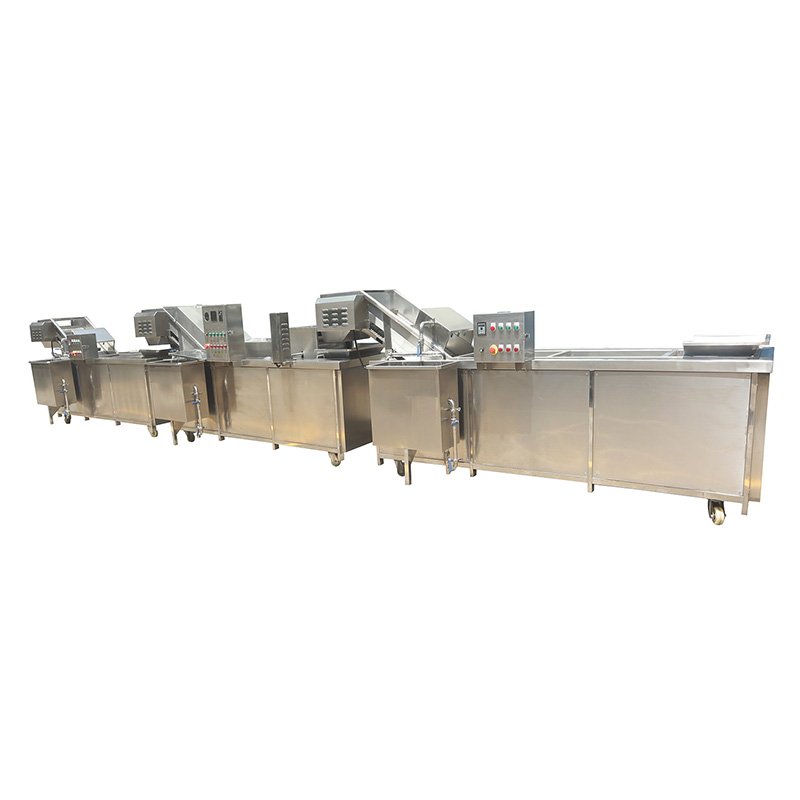
1.1. Comprehensive Cleaning: Washing machines use advanced technologies such as bubble washing, spray systems, and rotating brushes to thoroughly clean fruits and vegetables. This thorough cleaning process helps to eliminate harmful bacteria, such as Salmonella and E. coli, which can cause foodborne illnesses.
1.2. Consistent Results: Unlike manual washing, which can vary in effectiveness depending on the individual performing the task, washing machines provide consistent results with each use. This consistency ensures that all produce meets the same high standard of cleanliness, reducing the risk of contamination.
Increased Efficiency and Productivity
In a busy restaurant environment, efficiency is key to maintaining smooth operations. Fruit and vegetable washing machines can significantly enhance productivity by streamlining the cleaning process.
2.1. Faster Processing: Washing machines can handle large quantities of produce simultaneously, which speeds up the cleaning process compared to manual methods. This efficiency allows kitchen staff to focus on other tasks and ensures that produce is ready for use more quickly.
2.2. Labor Savings:** By automating the cleaning process, restaurants can reduce the amount of labor required for washing fruits and vegetables. This not only frees up staff time for more critical tasks but also reduces the need for manual labor, which can be a significant cost-saving measure.
Improved Quality and Presentation
The quality and presentation of dishes are crucial in the restaurant industry. Clean, well-prepared produce directly impacts the overall quality of the meals served.
3.1. Better Product Quality: Washing machines help remove surface residues and contaminants that can affect the taste and quality of produce. Clean produce ensures that dishes are not only safer to eat but also more flavorful and appealing.
3.2. Enhanced Presentation: Fresh, clean fruits and vegetables contribute to a better presentation of dishes. The visual appeal of clean produce can enhance the dining experience for customers and contribute to a restaurant’s reputation for quality.
Compliance with Health Regulations
Restaurants must adhere to strict health and safety regulations to ensure that the food they serve is safe for consumption. Using fruit and vegetable washing machines can help meet these regulatory requirements.
4.1. Meeting Standards: Health regulations often require that produce be thoroughly cleaned to remove contaminants and residues. Washing machines are designed to meet these standards and provide documented proof of compliance, which is essential during health inspections.
4.2. Reducing Risk of Violations: By incorporating washing machines into their cleaning protocols, restaurants can reduce the risk of health code violations and potential fines. Properly cleaned produce minimizes the risk of foodborne illnesses and demonstrates a commitment to food safety.
Flexibility and Versatility
Fruit and vegetable washing machines are designed to handle a wide range of produce, making them a versatile addition to any restaurant kitchen.
5.1. Adaptability: Many washing machines come with adjustable settings and attachments that allow them to clean different types of produce, from leafy greens to root vegetables. This adaptability ensures that the machine can meet the diverse needs of a restaurant’s menu.
5.2. Handling Varied Volumes: Washing machines can accommodate varying volumes of produce, making them suitable for both small-scale and high-volume operations. This flexibility ensures that the machine remains useful as a restaurant’s needs evolve.
Reduction of Water and Chemical Usage
Using fruit and vegetable washing machines can lead to more efficient use of water and cleaning agents, which has both environmental and cost benefits.
6.1. Water Efficiency: Washing machines are designed to optimize water usage, reducing wastage compared to manual washing methods. Many machines feature recycling systems that filter and reuse water, further minimizing consumption.
6.2. Reduced Chemical Use: Automated washing machines often require fewer chemical cleaning agents than manual methods, which can reduce costs and minimize the environmental impact. This reduction in chemical usage also aligns with the growing trend towards more sustainable practices in the food industry.
Conclusion
Incorporating fruit and vegetable washing machines into a restaurant’s operations offers numerous benefits, including enhanced food safety, increased efficiency, improved quality, and compliance with health regulations. By automating the cleaning process, restaurants can ensure that their produce is clean and safe, while also saving time and labor. The versatility and efficiency of these machines make them a valuable investment for any establishment aiming to maintain high standards of food quality and safety.
As the restaurant industry continues to evolve, adopting advanced technologies like fruit and vegetable washing machines can help businesses stay competitive and meet the growing expectations of health-conscious consumers. By prioritizing cleanliness and efficiency, restaurants can deliver exceptional dining experiences while safeguarding their reputation and adhering to regulatory standards.