

Blog
Seafood Cleaning and Processing Equipment Solution
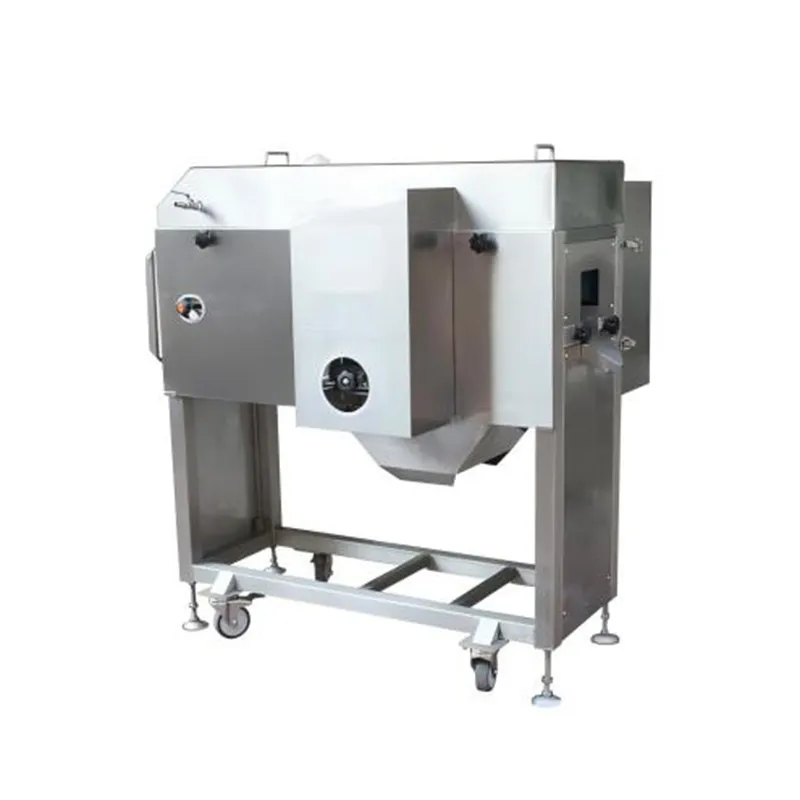
The food industry is highly sensitive to the processing of seafood because the raw materials are perishable. This requires strict hygiene controls throughout the production process. If seafood is not handled correctly, it will begin to deteriorate as soon as it’s unloaded from a cold storage facility or fishing vessel. Modern seafood factories are heavily reliant on automated systems to ensure consistency, efficiency and hygiene.
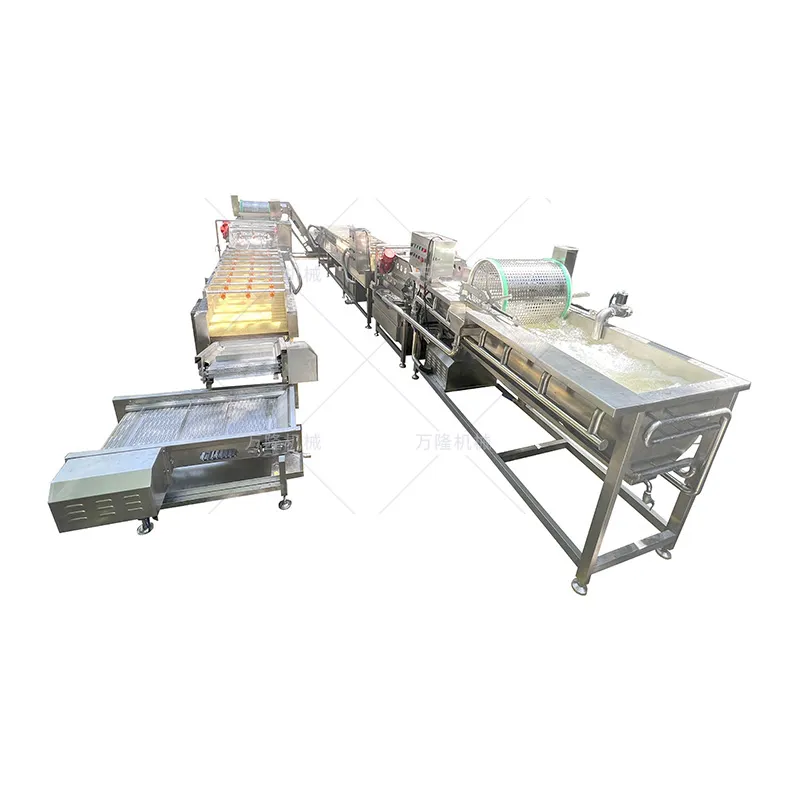
A complete solution for cleaning and processing seafood typically integrates several machines into one continuous workflow. This includes washing, impurity removal and cutting, shelling and dewatering. It also covers thermal treatment and packaging. Each stage is designed for reduced manual handling, while maintaining the natural product quality. Automation has become more important than ever as the global demand for packaged seafood, frozen seafood and ready-to cook products continues to increase.
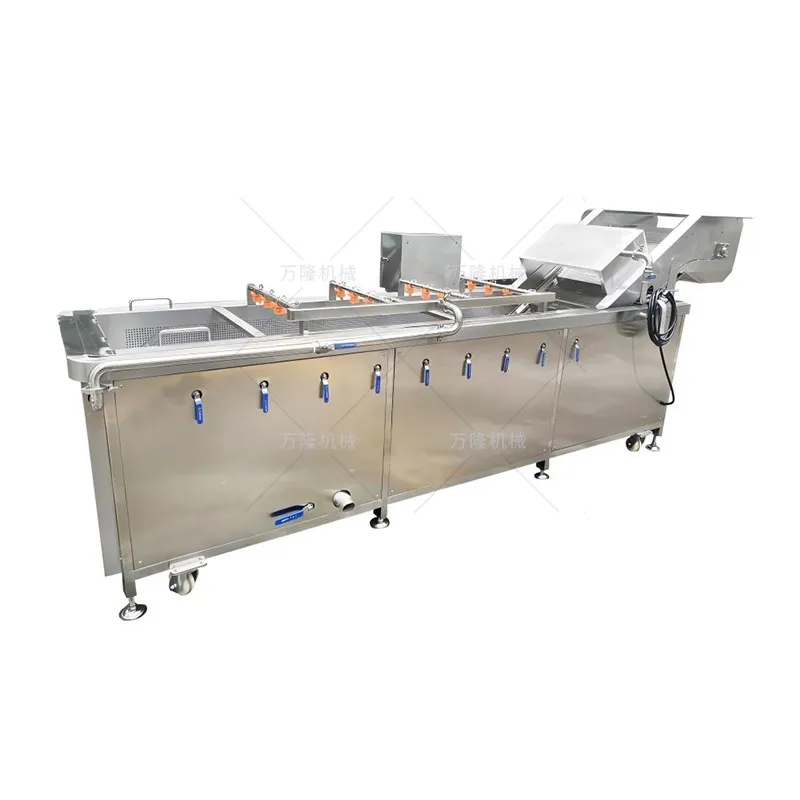
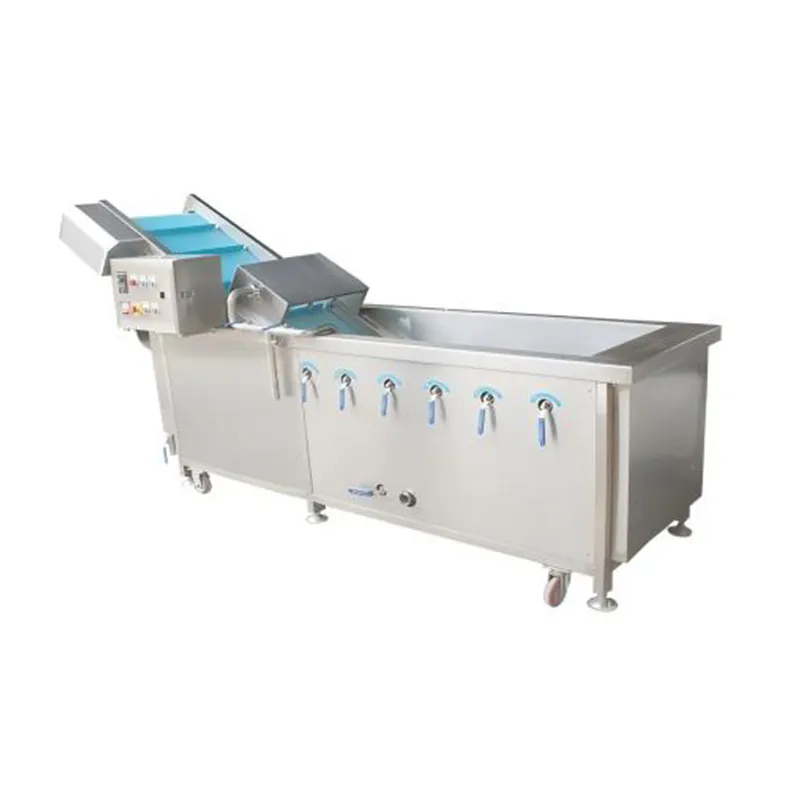
Cleaning is the first step in most seafood processing facilities. Raw seafood is often covered in sand and slime. Seaweed residues are also present. These impurities must be removed prior to further processing. At this stage, bubble washing systems are often used because they combine water circulation with air agitation to gently lift impurities from the surface, without damaging delicate products like shrimp, shellfish, or fish. This method is much more reliable and reduces the risk of contamination compared to manual washing.
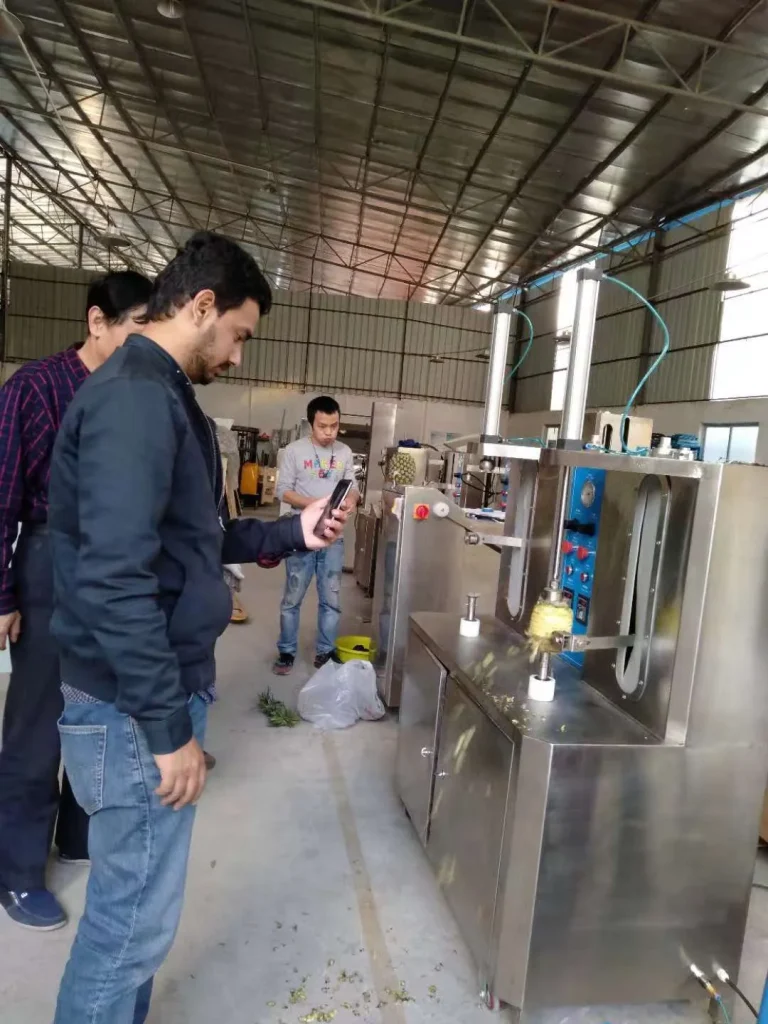
Depending on the final product, different processes are followed after cleaning. This may involve cutting, filleting or portioning for fish. Shell removal or deveining of shrimp may be necessary. Squids and shellfish are processed using specialized peeling or cutting systems. At this stage, the goal is to not only increase efficiency but also ensure uniform product specifications. This is important for export markets as well as large retail supply chains.
After the seafood is processed, a secondary wash may be applied to remove residues from cutting or shelling. This ensures the product has a fresh appearance and meets all food safety standards. Dewatering and air drying are common methods used after washing to remove excessive surface moisture. It is important to remove any remaining moisture as it can impact packaging and freezing quality.
Thermal processing, such as blanching and light cooking, may be used for many seafood products. This is especially true of those destined for the frozen or ready to eat market. This improves shelf life, stabilizes texture and reduces microbial load. Temperature and timing should be closely controlled, as seafood is sensitive to overcooking. This can have a negative impact on both texture and taste.
Packaging is the last stage of processing and plays an important role in maintaining the freshness of products during storage and transport. In seafood factories, vacuum packaging is used because it removes the air from packaging and slows down bacterial growth. Proper sealing is also important in frozen seafood applications to prevent freezer burn. It will also preserve the natural quality over time.
A well-designed system for processing seafood is more than just a series of machines. It is a workflow that is continuous and connected at each stage. How smoothly materials are moved from one stage to the next determines the efficiency of the whole line. Incorrect washing can reduce cutting quality. Insufficient dewatering may affect freezing performance. Poor packaging can decrease shelf life. Due to this interconnectedness, seafood processing systems tend to be designed as integrated solutions instead of standalone equipment.
Processors face increasing pressure as global seafood consumption increases, particularly in the frozen and convenience food market. They must improve productivity, while maintaining strict hygiene guidelines. Automated systems can help achieve this balance, by reducing the amount of manual work, stabilizing output and ensuring consistency across batches.
Modern seafood production systems are centered around cleaning and processing equipment. Combining washing, processing and drying with thermal treatment and packaging in a continuous flow, factories can handle large volumes of perishable goods while maintaining quality and safety standards. Integrated processing solutions are essential to support efficient and scalable production of seafood as the industry evolves.
#SeafoodProcessingSystem
#FishProcessingEquipment
#SeafoodWashingLine
#IndustrialSeafoodProcessing
#FoodProcessingSolution