

Blog
Vegetable Processing Solution for Central Kitchen
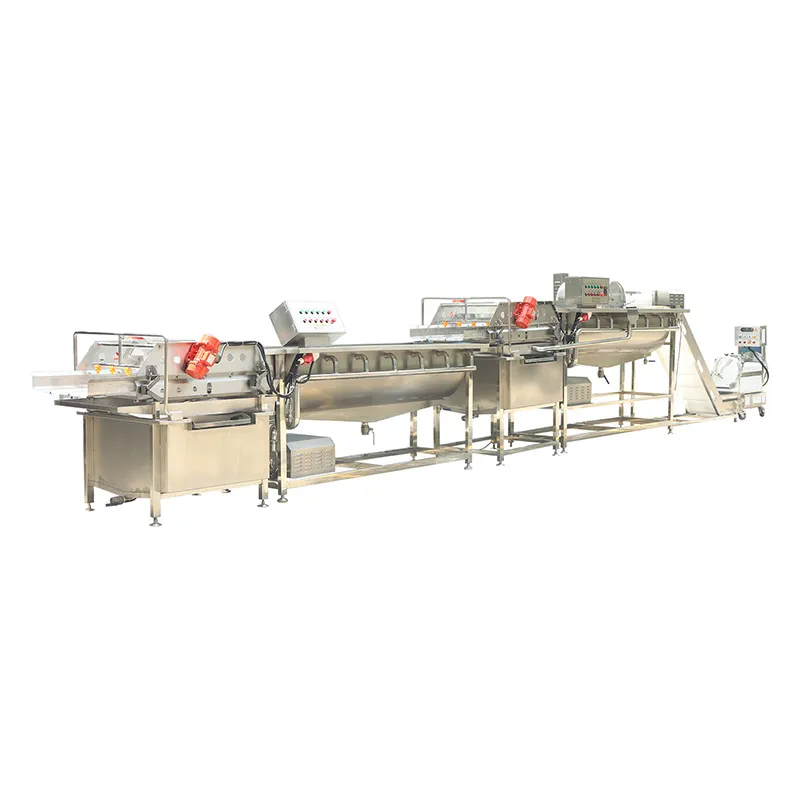
Modern foodservice operations are increasingly reliant on central kitchens, particularly for large food retailers, restaurant chains, caterers, schools, hospitals and retail businesses. Concentrating preparation in one locati0n allows companies to standardize quality and food safety while reducing labor duplication. They can also distribute semi-prepared products to multiple outlets. Vegetable processing is the most time-consuming and labor-intensive of all preparation tasks.
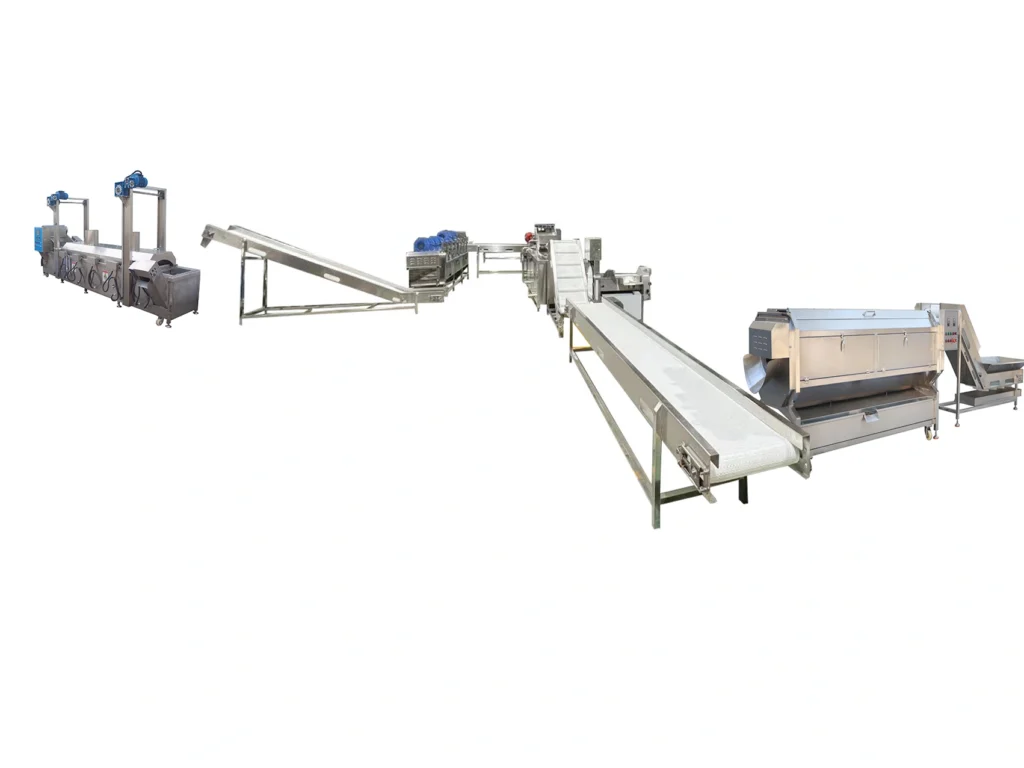
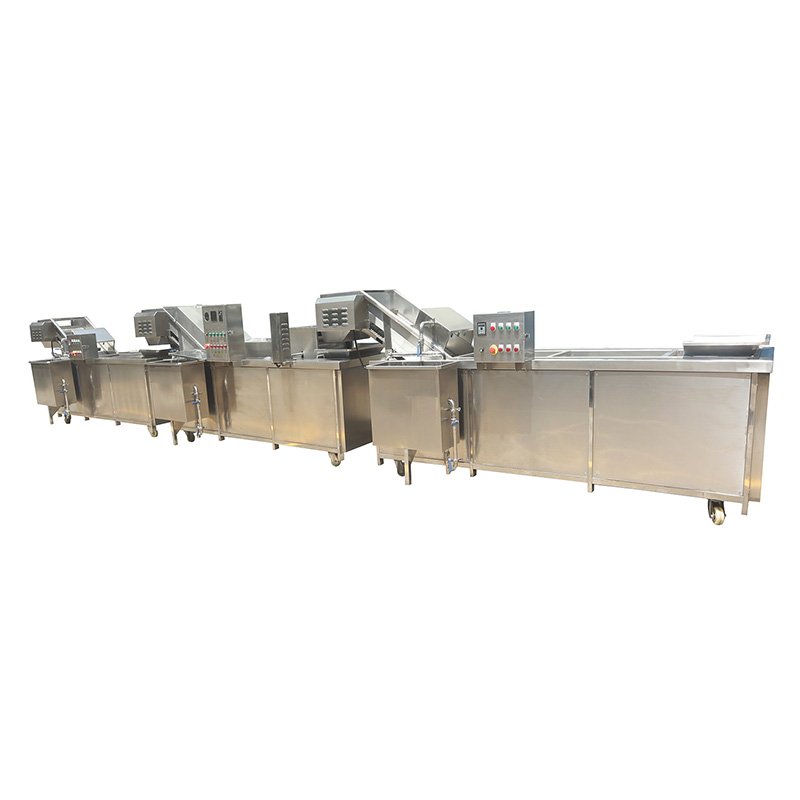
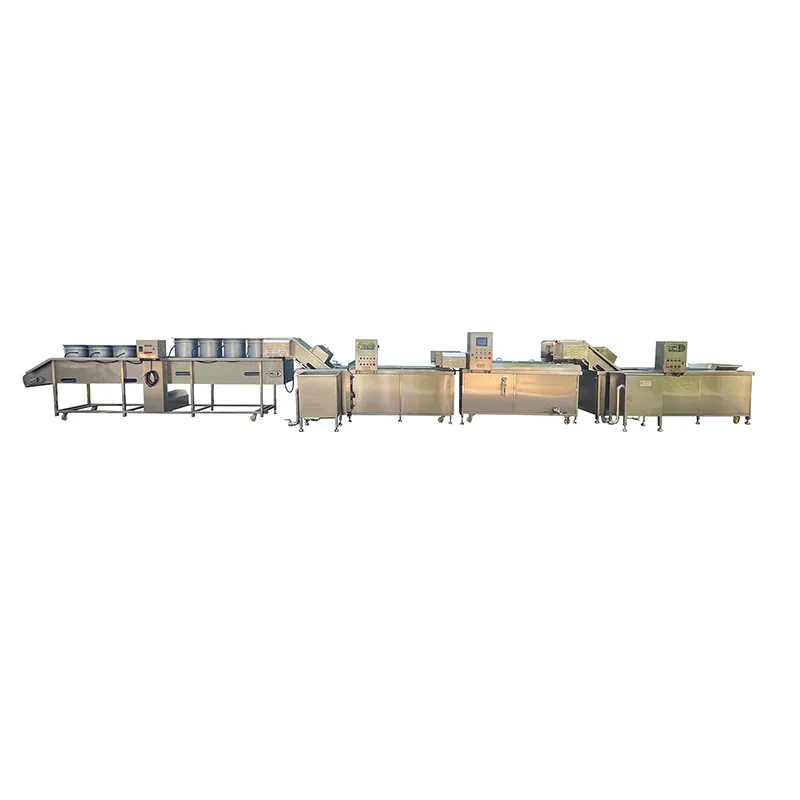
Central kitchen vegetable processing solutions are designed to manage the entire workflow, including washing, peeling and cutting vegetables, sorting and drying them, and packaging them in a hygienic and efficient manner. Centralized processing is a better alternative to manual preparation in each store. Vegetables can be prepared under controlled conditions, and then delivered for final assembly or cooking.
Receiving and sorting of raw materials is usually the first step in processing vegetables in central kitchens. Inspection is required before vegetables are put into production because they arrive in a variety of sizes and quality. To maintain the final product standard, damaged items, foreign material, and unsuitable materials are removed. After sorting, the vegetables are then washed.
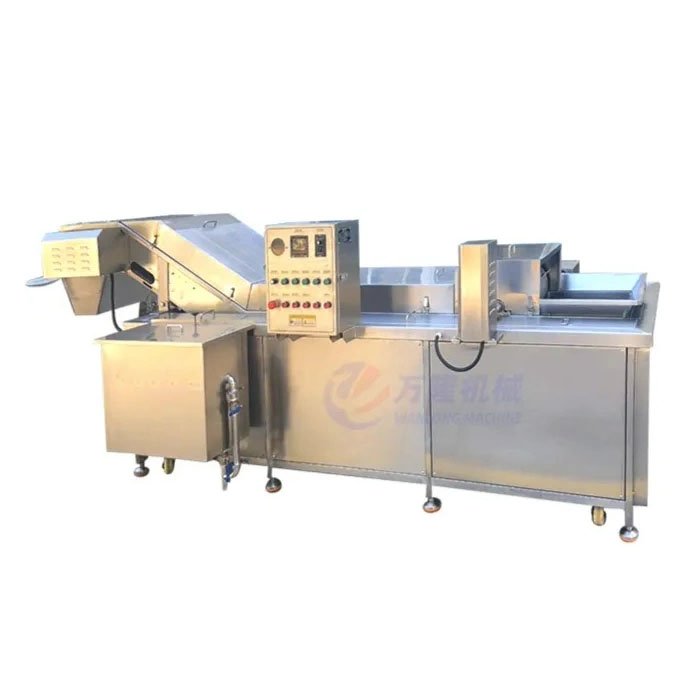
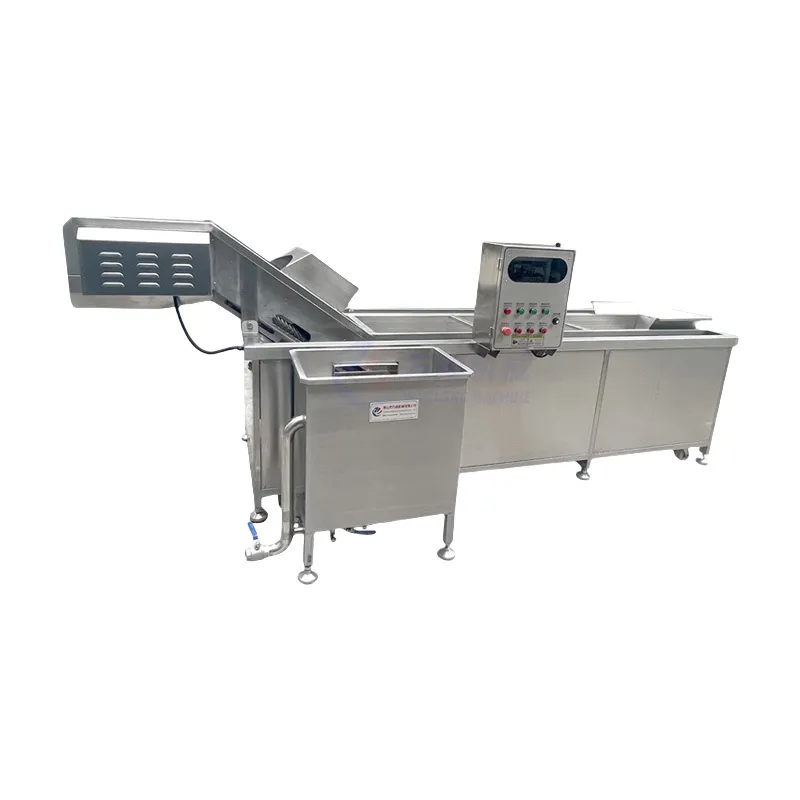
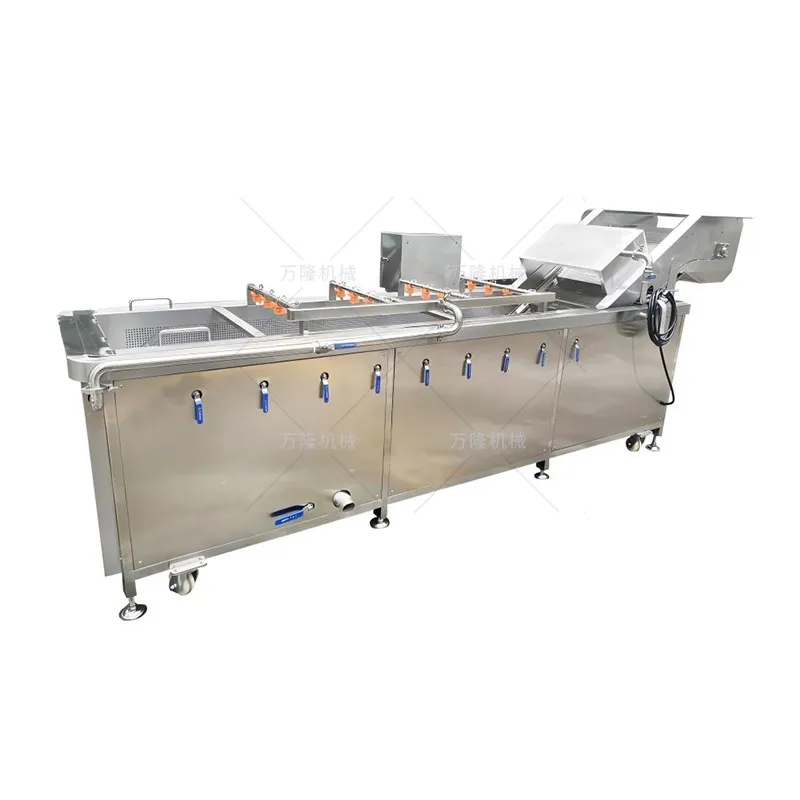
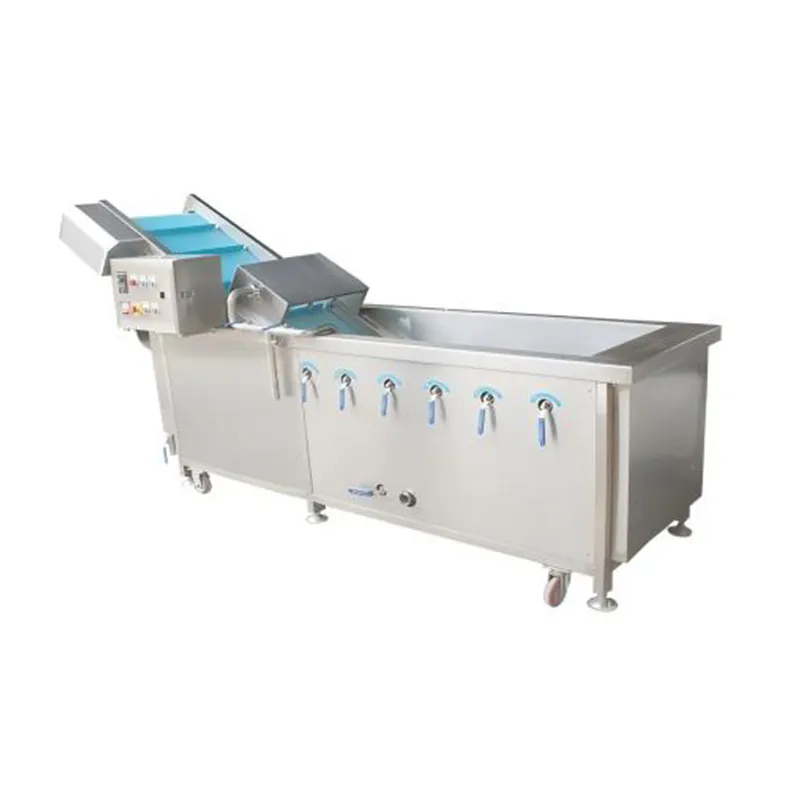
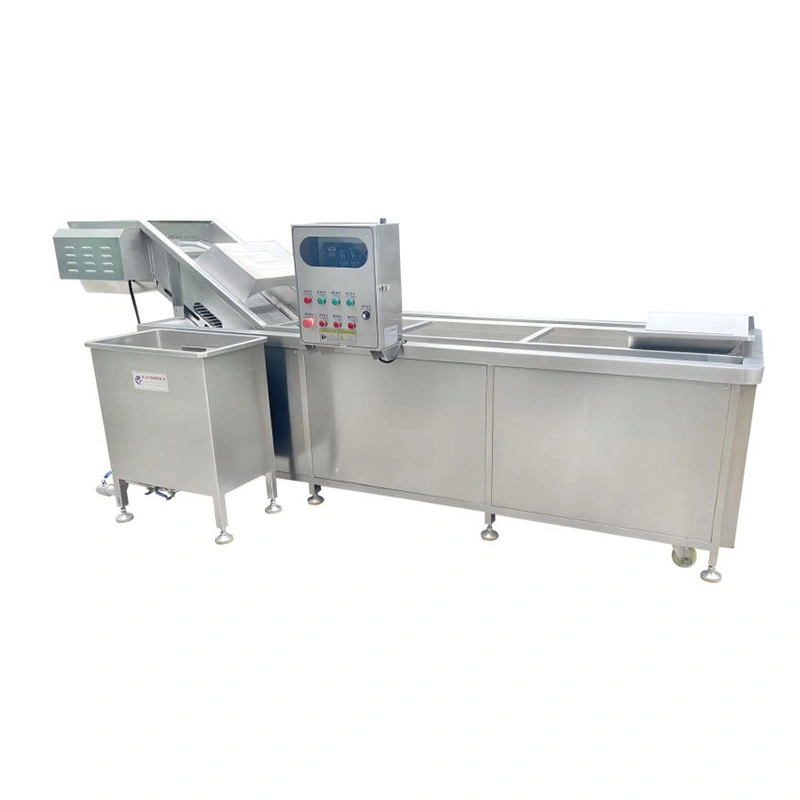
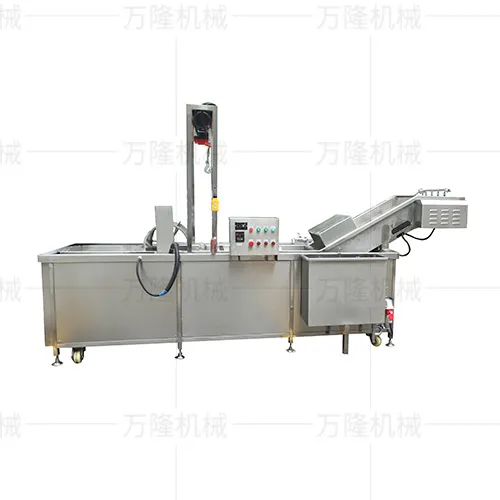
Cleaning is a very important step because vegetables can carry contaminants such as soil, sand or pesticide residues. To clean root vegetables and fruit vegetables effectively, bubble washing systems and spraying machines are often used. For lettuce, spinach and herbs, gentle washing is important, while a stronger washing action might be needed for potatoes, onions, or carrots.
Peeling systems are used after washing some products. To improve efficiency and reduce labor, many vegetables, such as potatoes, carrots and pumpkins, require mechanical peeling. Peeling is crucial because too much peeling can lead to waste and insufficient peeling can affect appearance and cooking quality.
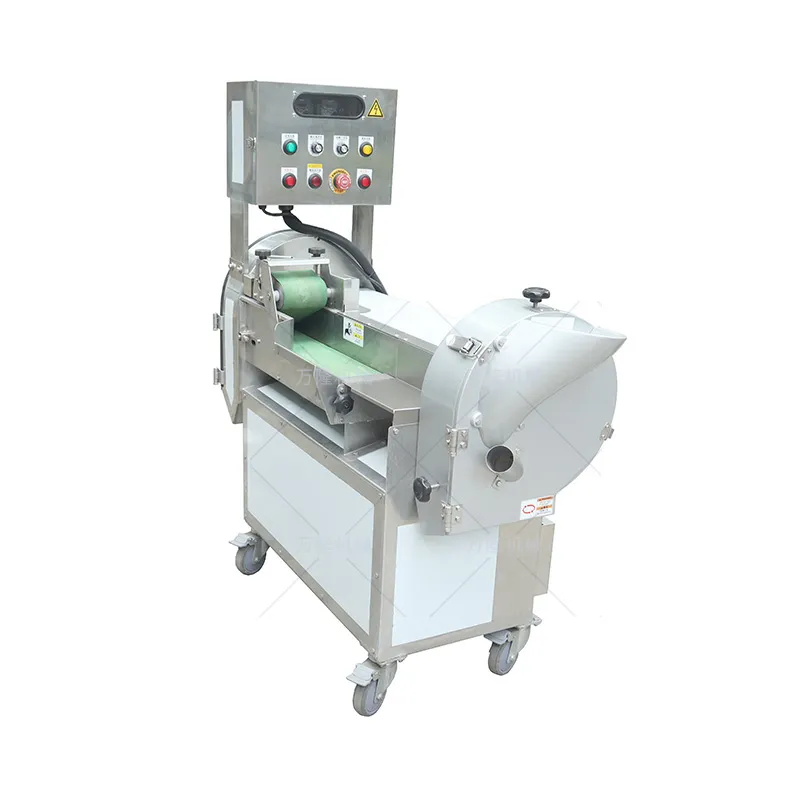
The cutting stage is the most important part of any vegetable processing solution. Central kitchens need to be able to cut vegetables in a variety of ways, such as dices, strips or cubes. Automatic vegetable cutters maintain consistency in size which is essential for visual presentation, cooking time and portion control. Uniform cuts can also help improve production planning for multiple restaurants using the same ingredients.
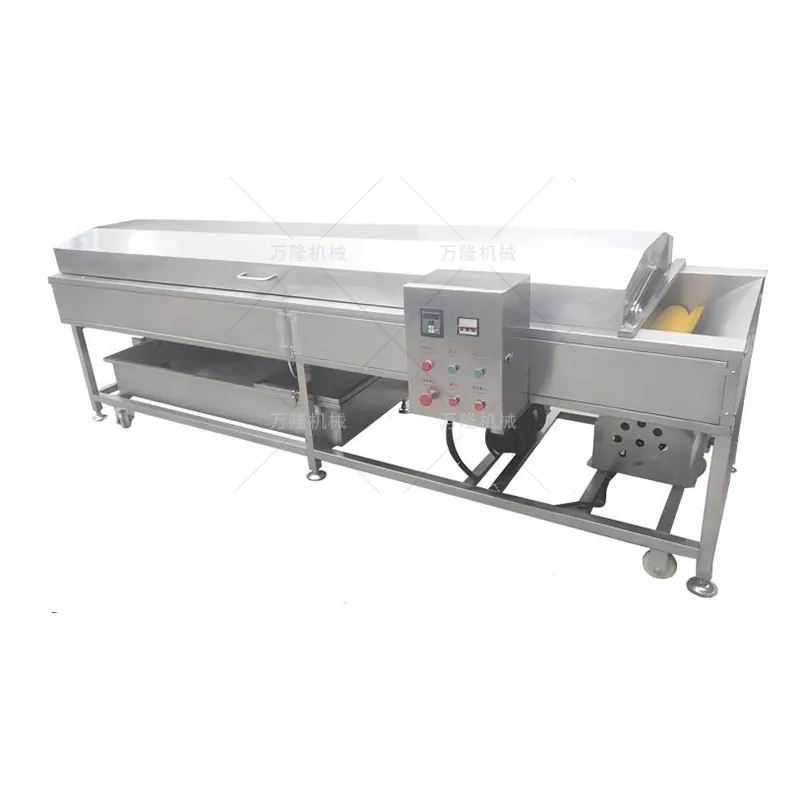
After cutting vegetables, many operations involve a second rinse in order to remove any residues or surface starch that may have been generated. Then, the vegetables are dewatered or dried by air. It is important to remove excess moisture from packaged salad ingredients, ready-to-cook chilled vegetables, and stir-fry kits. Standing water can reduce shelf life and alter packaging appearance.
Packaging is the last stage of cold storage before distribution. Vegetables can be packaged in bags, trays or crates depending on their type. To support inventory management and compliance with food safety regulations, central kitchen systems often integrate clear labeling with batch date and traceability information.
A centralized system for processing vegetables is characterized by its high efficiency. One production team is able to handle the preparation of large quantities instead of having multiple teams repeat the same tasks at each restaurant or service locati0n. It reduces the pressure on staff at outlets and allows them to concentrate on customer service and cooking.
Consistency is also a major advantage. Every branch will receive the same quality, cut size and portion format when vegetables are processed using standardized equipment. This ensures consistency in menus across different locations.
Centralized control also improves food safety. In a single processing facility, it is easier to implement dedicated washing, sanitation and temperature management procedures, as well as traceability, than in many small kitchens. It reduces operational risks and simplifies the quality management.
Central kitchens are growing rapidly as demand for convenience food, chain dining, delivery of meals, and institutional catering increases. These facilities are increasingly focusing on vegetable processing solutions, as vegetables need to be processed quickly, have a short shelf life, and require careful handling.
By centralizing the washing, peeling and cutting of vegetables, as well as drying and packaging, a central kitchen solution can help foodservice businesses improve their efficiency, consistency and hygiene. Businesses can improve their operational control and reduce costs by replacing manual repetitive preparation in multiple outlets with a coordinated production workflow. Professional vegetable processing systems are essential for scalable and reliable supply chains in foodservice.
#CentralKitchenSolution
#VegetableProcessingLine
#CommercialVegetableCutter
#FoodPrepEquipment
#CentralKitchenEquipment