

Blog
Why Stainless Steel 304 Matters in Food Machinery
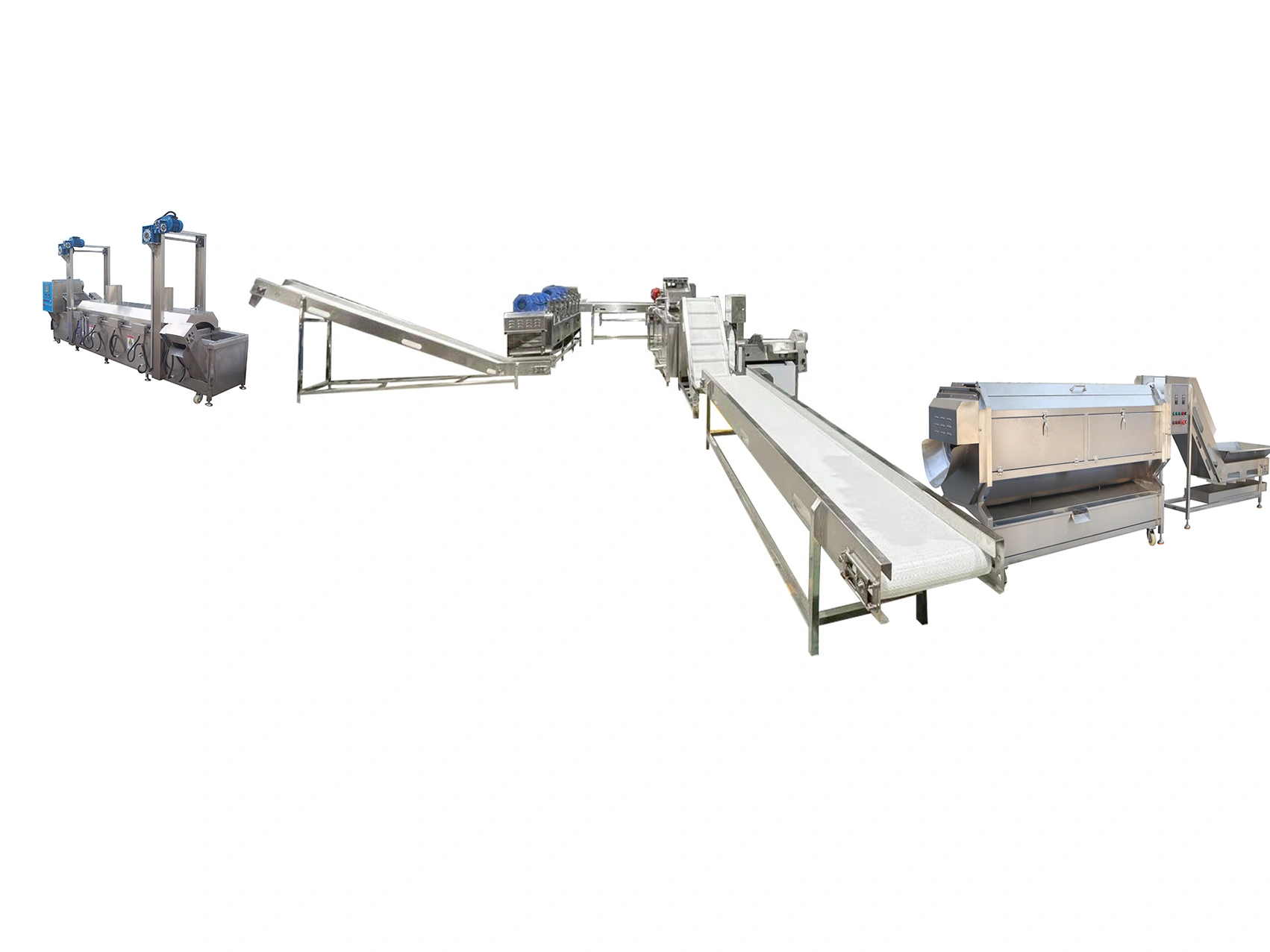
The material selection is a critical decision in the design of food machinery. Motors, controls and mechanical structures all have an impact on performance. However, the material directly in contact with food products can have a significant impact on hygiene and durability. This is why stainless steel 304 is one of the most commonly used materials in the food processing industry around the globe.
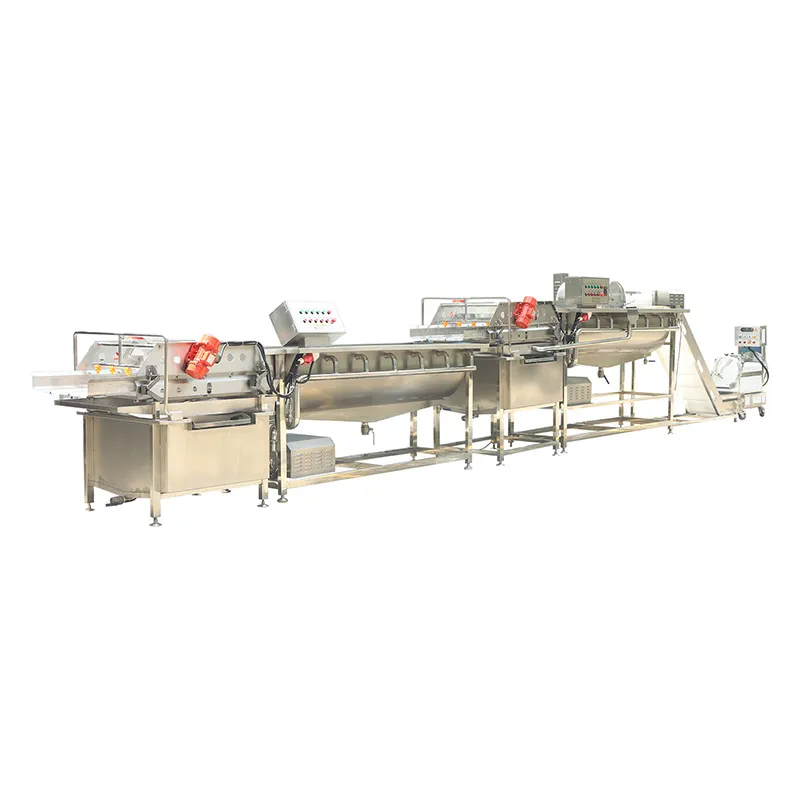
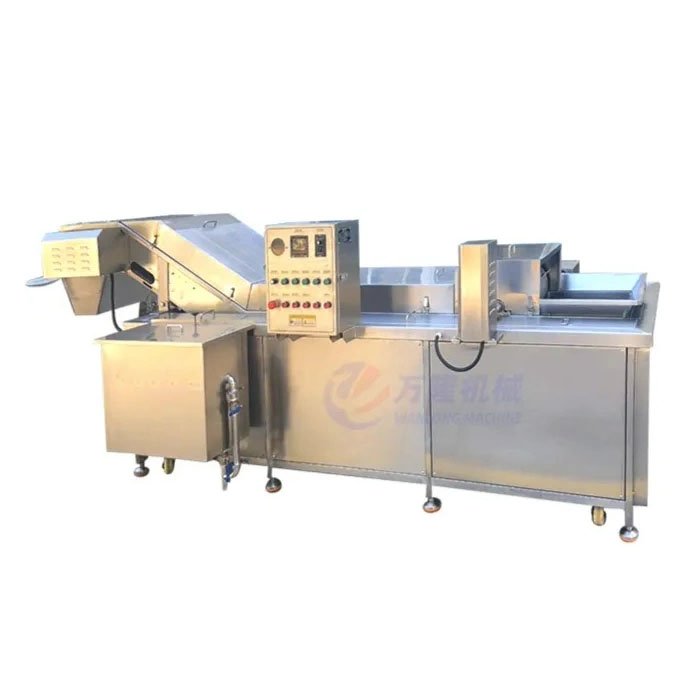
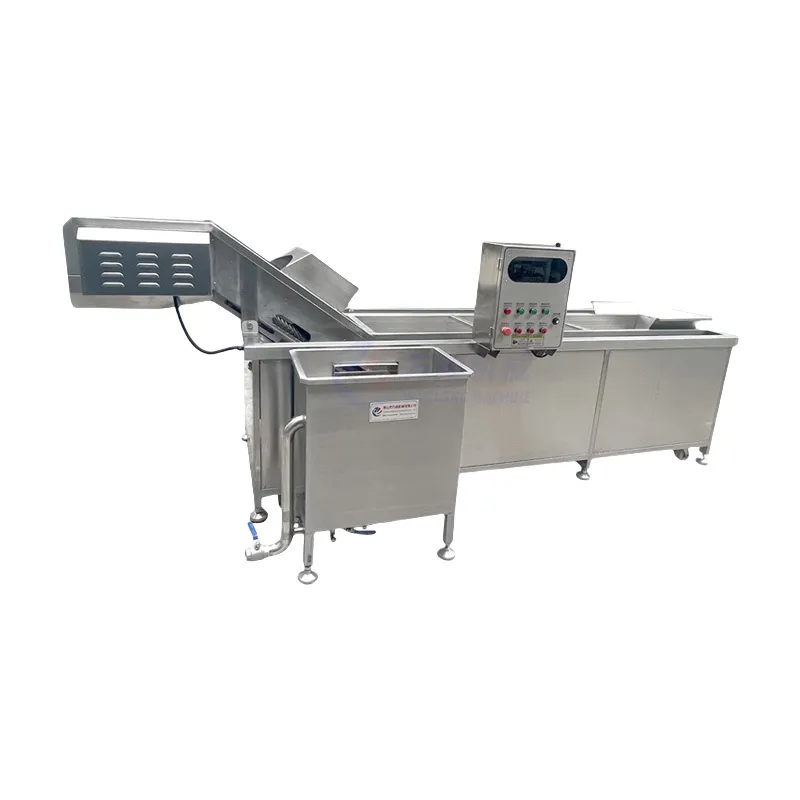
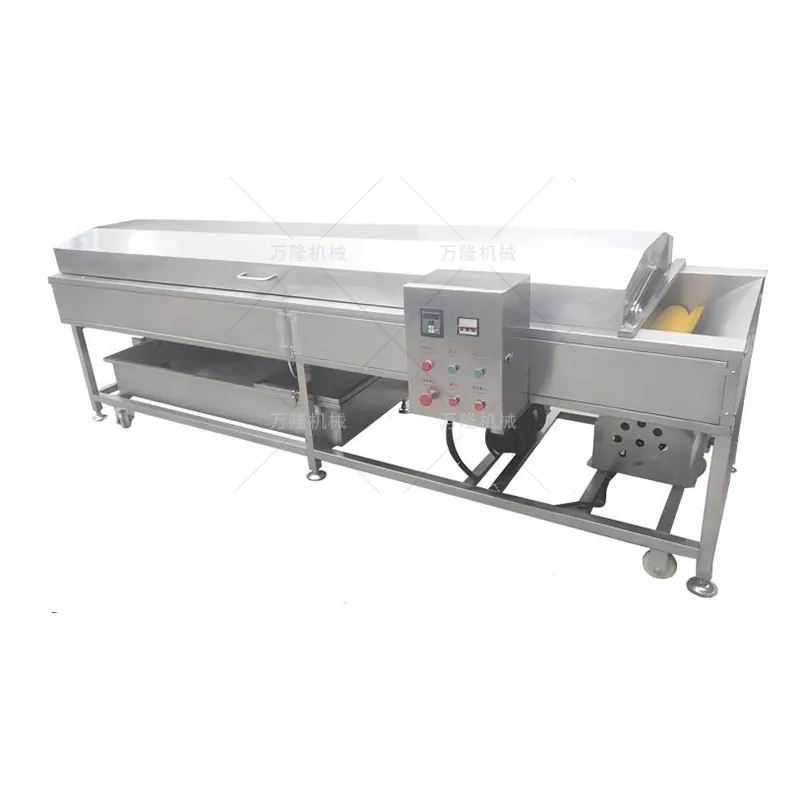
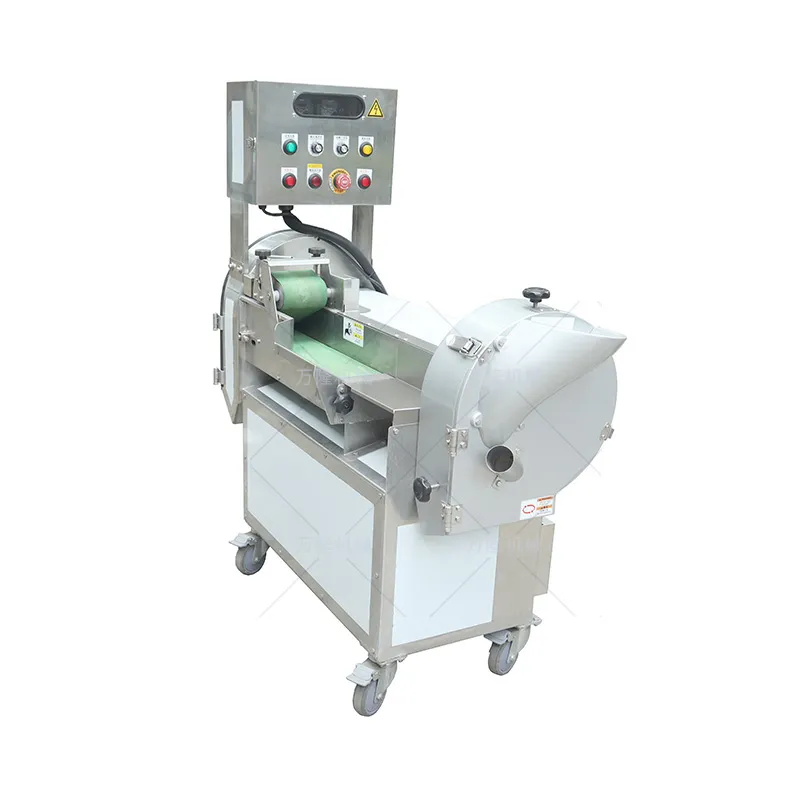
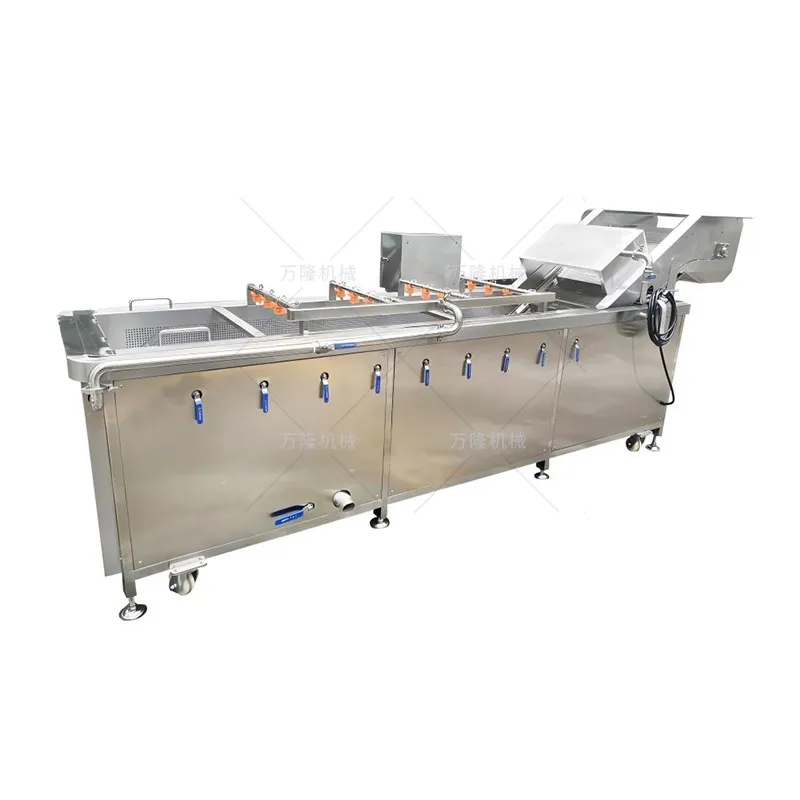
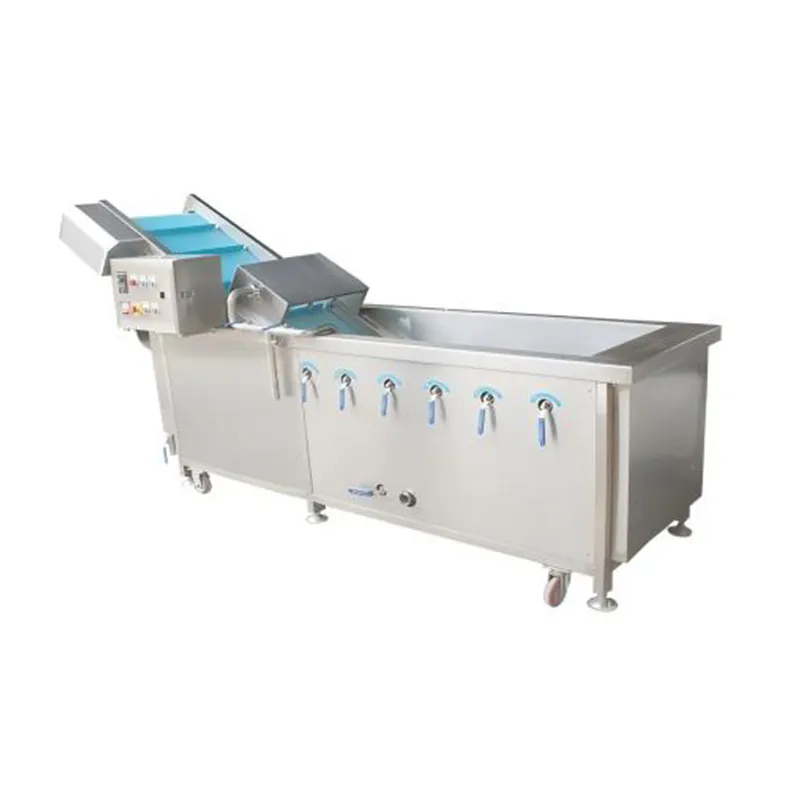
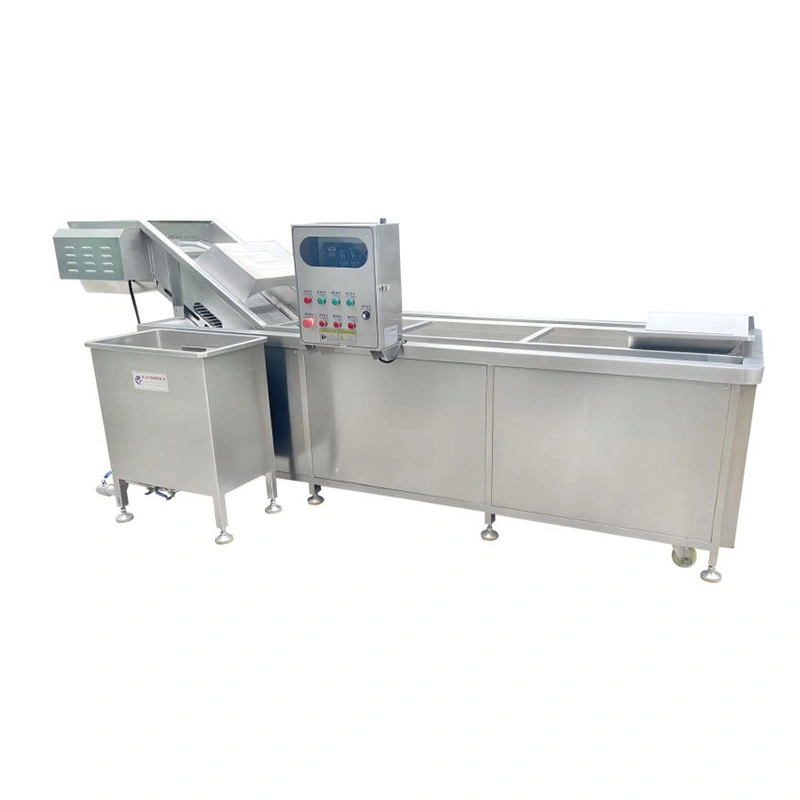
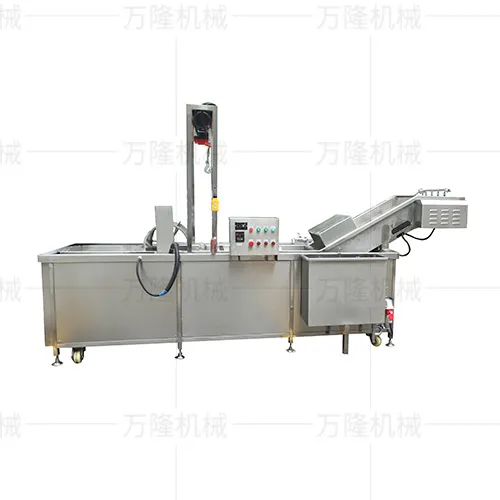
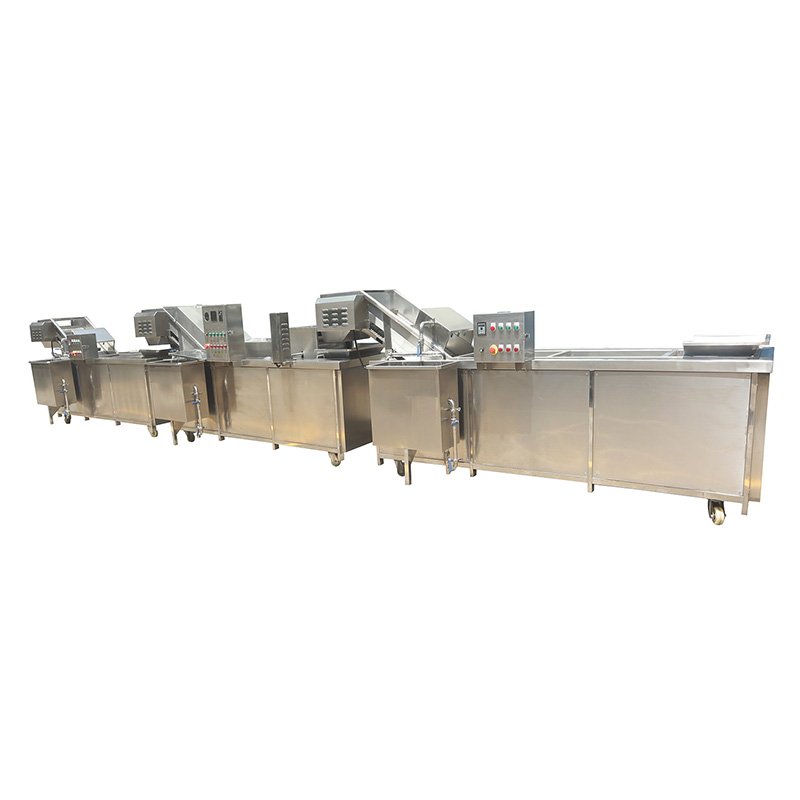
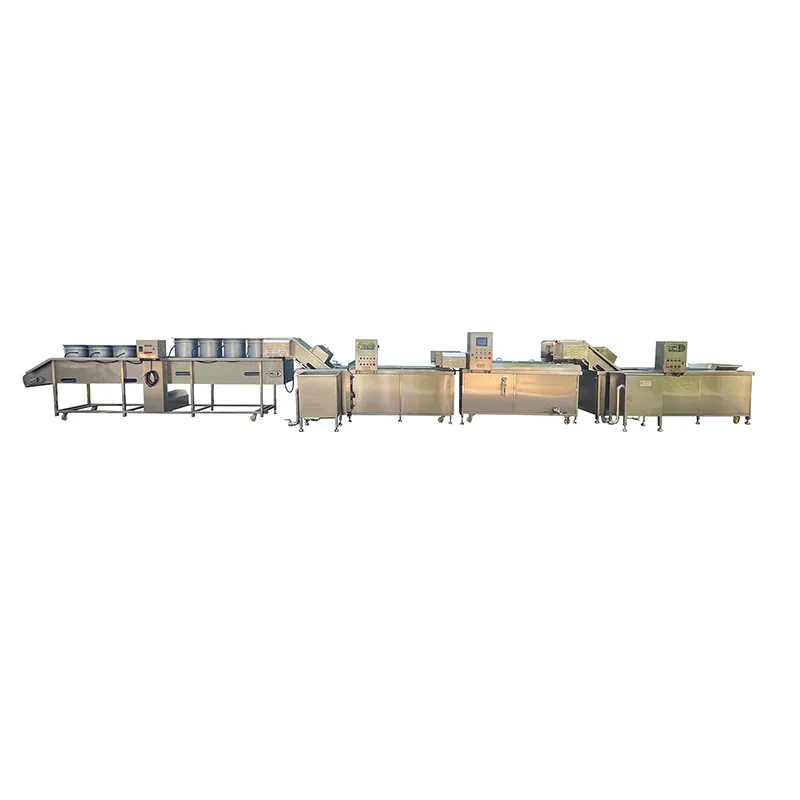
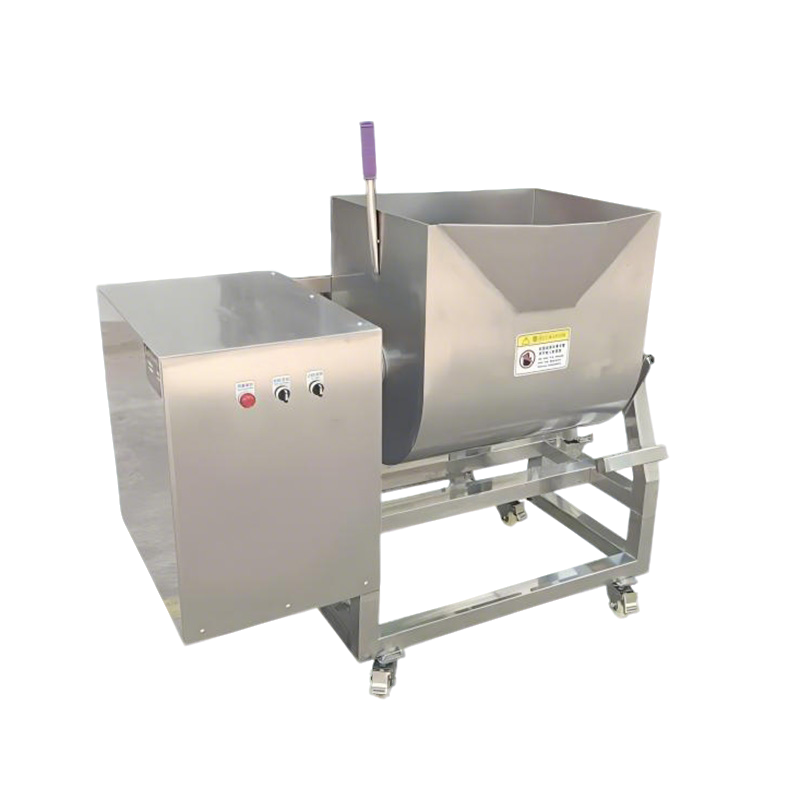
In washing machines, cutting systems, conveyors, tanks and mixers as well as packaging equipment, stainless-steel 304 is often chosen due to its combination of corrosion resistance and strength. It also offers easy cleaning and a long life span. Metals that are not designed for food environments, where salt, water, acids, cleaning agents, and detergents are a part of the daily operation, often fail very quickly. Stainless steel 304 has been designed to perform in these conditions.
Stainless steel 304, an austenitic alloy of stainless steel, contains nickel and chromium. These two elements help to form a protective layer of oxide on the metal surface. It is this invisible layer that gives stainless steel its corrosion-resistant properties. The surface of stainless steel protects itself more effectively from corrosion when exposed to air or moisture than lower grade metals or carbon steel.
In food factories equipment is exposed to water regularly during the washing process and sanitation cycle. Many products contain salty or acidic ingredients such as pickled vegetables, fruits, sauces or processed meats. These substances can quickly damage metals that are not suitable, causing rust, surface pitting or contamination. The stainless steel 304 material is a good choice for most food production environments.
Sanitary stainless steel 304 is important for a number of reasons. Surfaces of food machinery need to be easy to clean and resistant to residue. Surfaces that are rough or corroded can trap bacteria and food particles. This makes sanitation difficult. A properly finished stainless steel surface provides a smooth, non-slip contact area that helps to maintain food safety and facilitates regular cleaning.
It is particularly important for machinery like vegetable washing systems and meat cutting equipment. They are often continuously in use and need to be cleaned between product changes or shifts. Material that breaks down quickly can cause sanitation issues and reduce equipment life.
Durability is also a major advantage. The food processing equipment will be expected to operate for many hours in wet conditions, under high loads, or at temperatures that vary. The stainless steel 304 is strong and durable, but also resistant to surface damage. It is more resistant to repeated washings, contact with cleaning agents, and wear from daily production than other lower-cost options.
While stainless steel 304 is more expensive initially than metals such as painted steel, it has a higher value over the long term. Over time, the increased purchase price can be offset by reduced corrosion, lower maintenance requirements, fewer replacements and a higher resale. Lifecycle cost is a more important factor for many processors than the initial material cost.
The versatility of stainless steel 304 makes it a popular choice. It can be formed into frames, covers and tanks, chutes, hoists, precision components, and piping. The material is also compatible with the welding and polishing techniques commonly used to manufacture food machinery. It allows machine builders to create machines that are both functional as well as hygienic.
The choice of material is still dependent on the application. Some factories prefer stainless steels 316 in more aggressive environments, such as those with high concentrations of salt, chlorides or chemicals. This is because they offer enhanced corrosion resistance. For a majority of food machinery, stainless steel is still the most cost-effective and practical option.
Buyers often evaluate food machinery by focusing on the output capacity, automation and price. Construction material is also important. If two machines perform similarly, but one is made of genuine stainless steel 304 while the other is made from thinner or inferior substitutes, they may perform differently over time. Material quality impacts sanitation, reliability and maintenance frequency.
In food machinery, stainless steel 304 is important because it offers corrosion resistance, hygienic surfaces, durability and long-term value. Material selection that is reliable in environments with moisture, cleaning agents, food acids and constant use is crucial. For many types food processing equipment, stainless-steel 304 is the standard that balances performance, safety and cost efficiency.
#StainlessSteel304
#FoodMachineryMaterial
#FoodProcessingEquipment
#304StainlessSteel
#HygienicMachineDesign