

Blog
Top Quality Food Processing Machines for Small Business
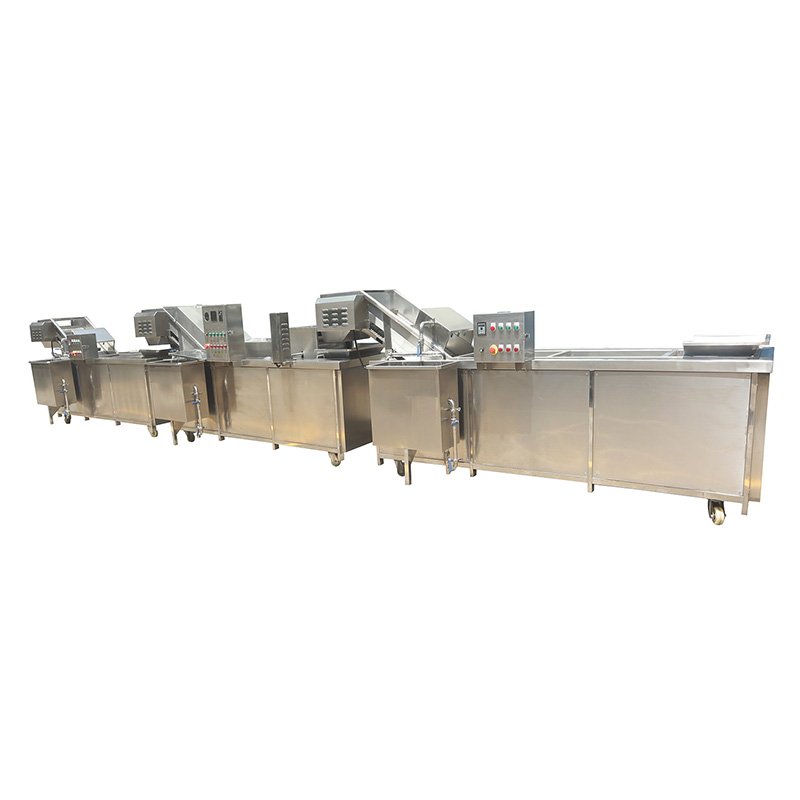
A good recipe or a market demand is not enough to start a small business. It is often the right equipment that determines if a company can scale production, maintain product consistency, and control labor costs. Choosing reliable and practical food machinery is a key investment for bakeries, central cooking, snack producers and frozen food startups.
Small businesses are usually limited in space and budget, with fewer employees than large factories. Due to this, machines need to be powerful without being overly complex. These machines should be simple to clean, easy to maintain, efficient in energy, and flexible to accommodate changing product lines. Compact semi-automatic and modular equipment can be more valuable than large industrial systems.
This article discusses how to select the best food processing machine for your small business, their uses, and the best setup for growth.
Why equipment is important for small food businesses
Manual production is the first step for many small food businesses. Manual processing can be effective at first, but when demand grows, it often causes bottlenecks. The production becomes slower, the labor costs increase, and the product consistency is harder to control.
Upgrades to appropriate machinery can solve a number of common problems. This improves the output speed, reduces repetitive work, increases hygiene standards and helps maintain product specifications. It is important to ensure consistency when supplying supermarkets or restaurants, distributors and export customers.
It is not always about the most expensive or largest model. The machine should be matched to the daily production volume, utilities available, skill level of labor, and product requirements.
Vegetable Washing Machines and Cutting Machines
Washing and cutting equipment are often the first upgrades for businesses that handle fresh vegetables, salad kits or frozen vegetables.
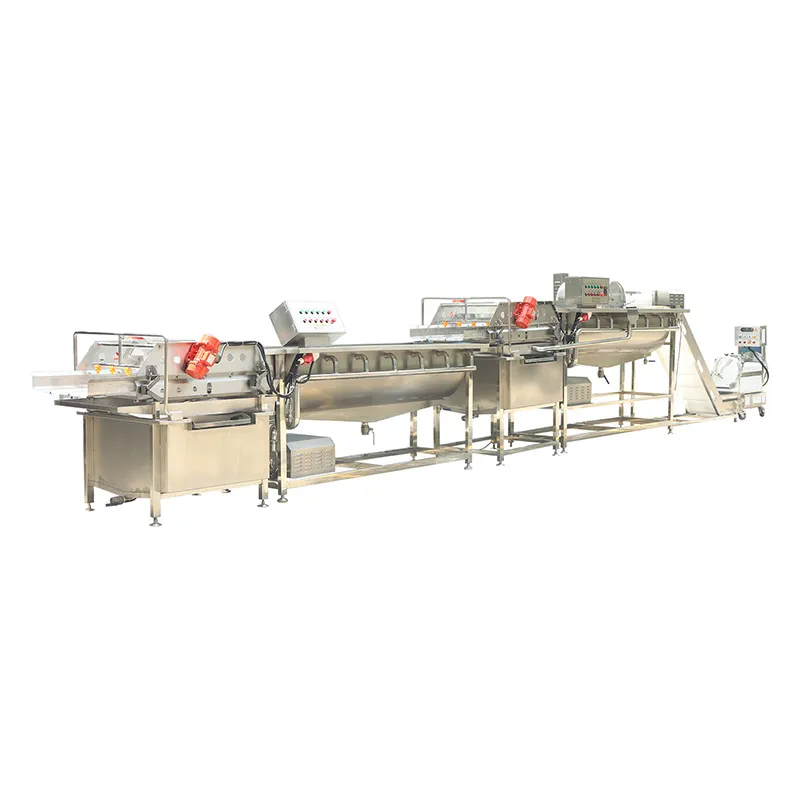
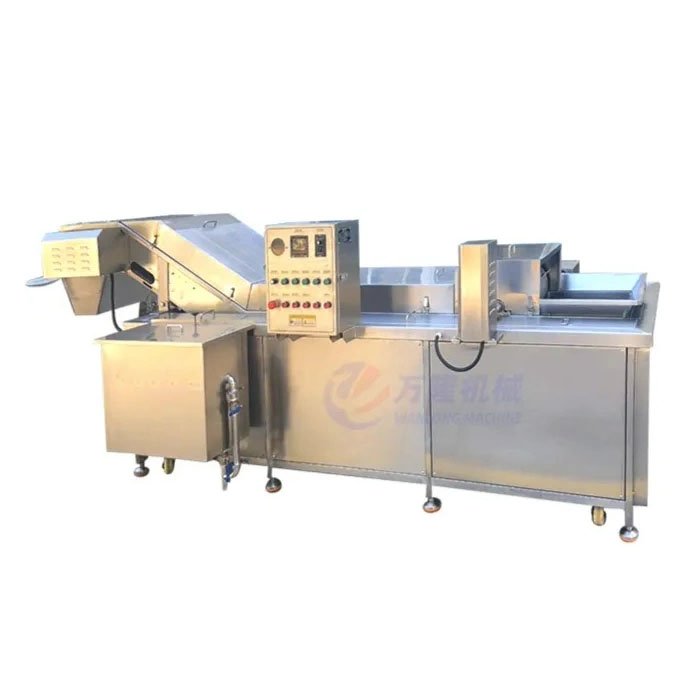
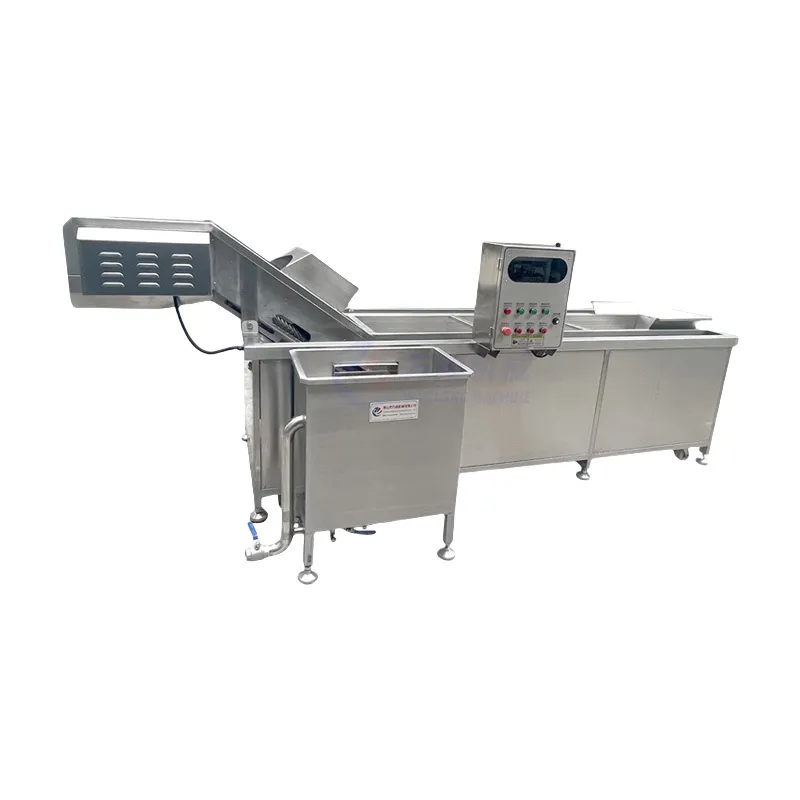
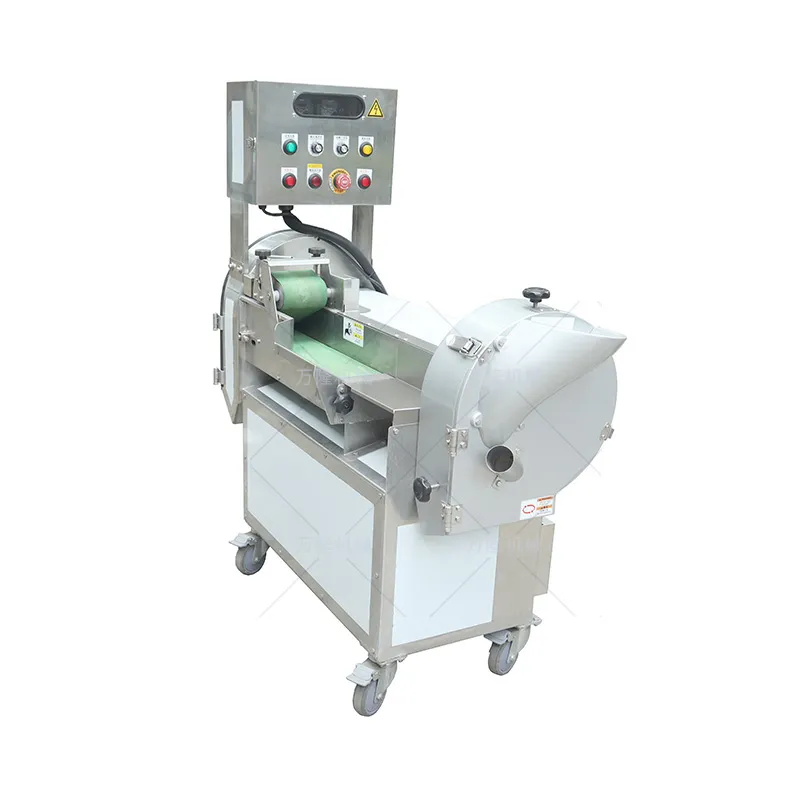
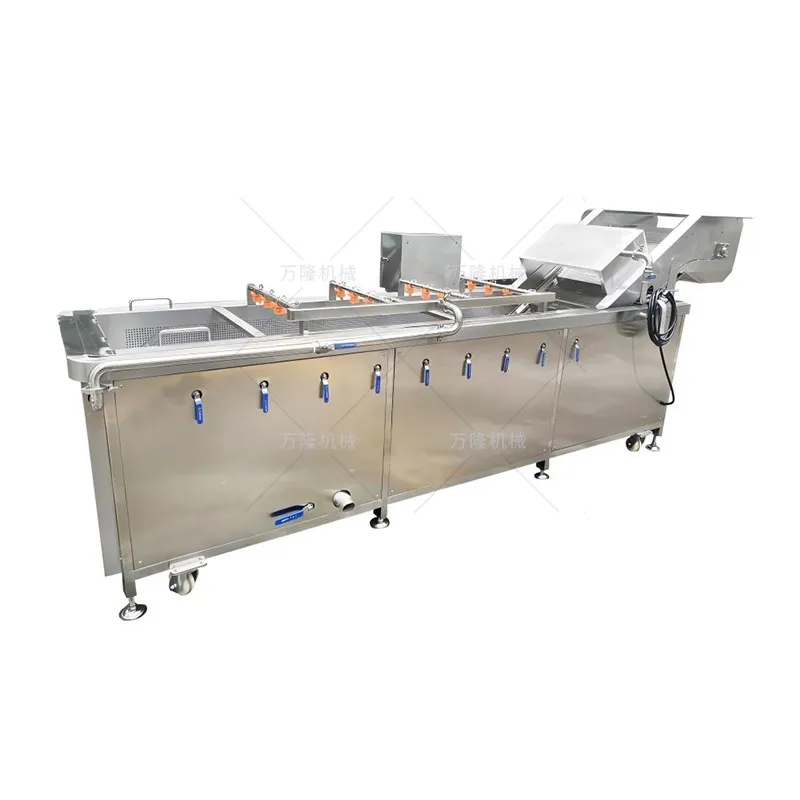
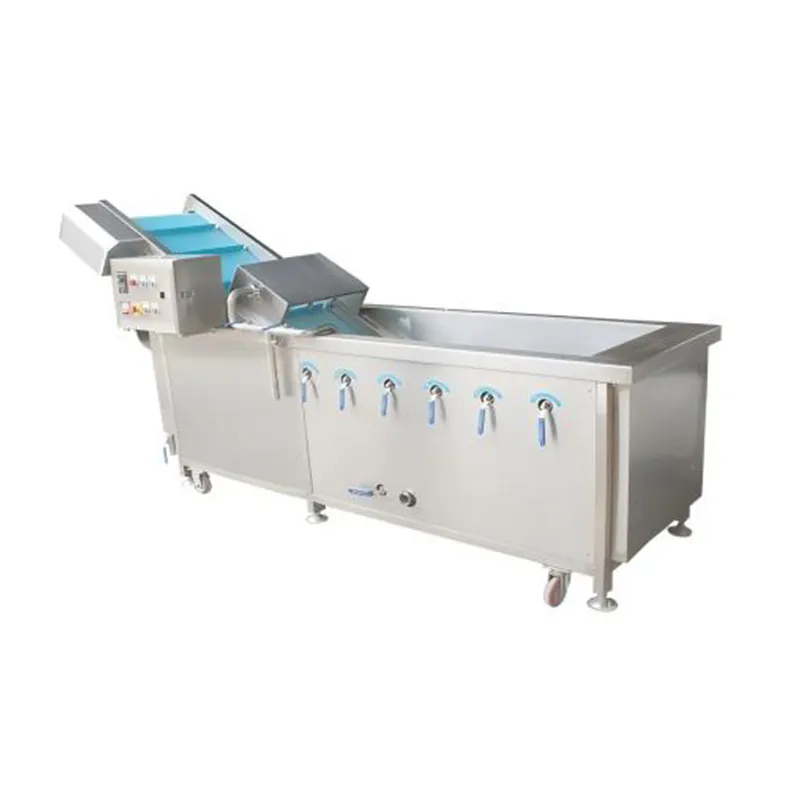
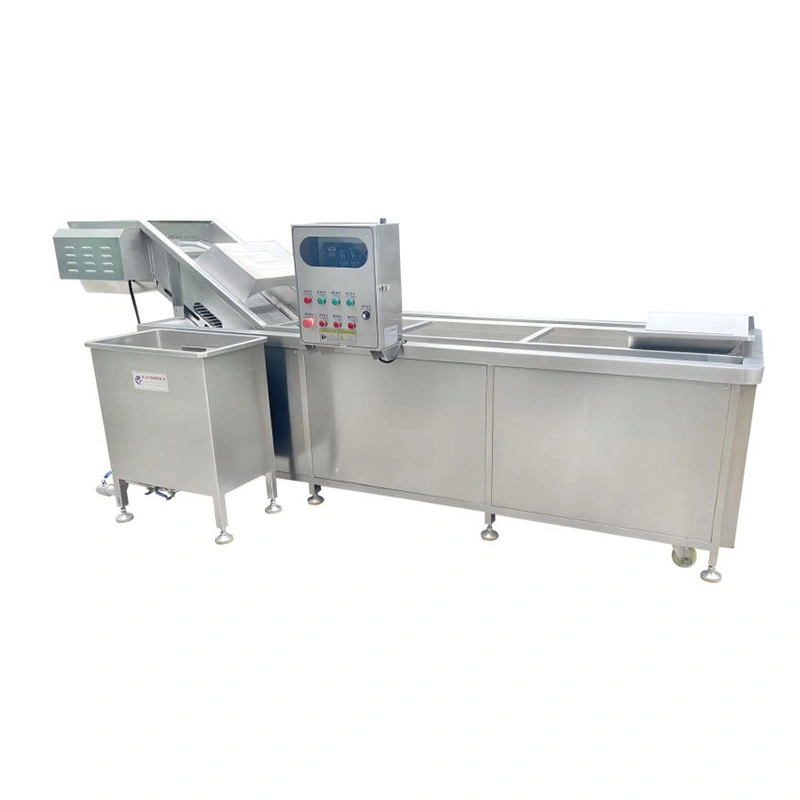
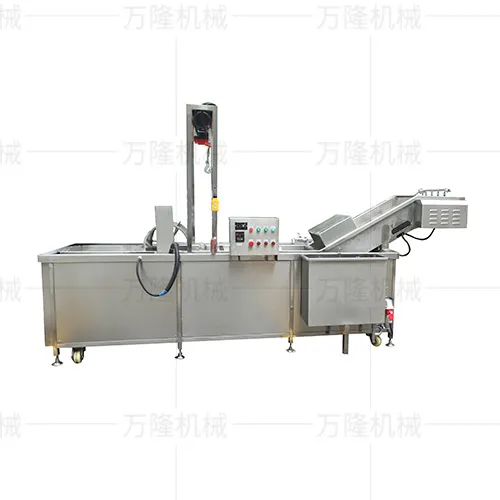
The bubble washing machine is widely used to clean produce while removing dirt and impurities effectively. It is perfect for root vegetables, leafy vegetables and fruits. After cleaning, the vegetables can be placed in automatic cutting machines to produce strips, slices, cubes or shredded cuts.
Cutting consistently reduces cooking time and improves packaging, portion control, and packaging appearance. This can improve the operational efficiency of meal-prep companies and restaurant suppliers.
Meat cutting and mixing equipment
Meat cutting and mixing systems are often used by small butcher shops and sausage producers, as well as ready-meal suppliers and marinated meat suppliers.
Commercial meat cutters can produce strips, cubes or slices of meat faster than manual labor. For packaging accuracy and product display, uniform cuts are essential. Mixers can also be used to combine ingredients, seasonings and marinades evenly.
Vacuum mixers and grinders are ideal for sausage and processed meat entrepreneurs who want to improve consistency and texture of their products while increasing production.
Fruit Peeling and washing machines
Fruit juice producers, frozen fruit companies, dried fruit processors, and fruit cup brands all spend a lot of time on preparation. Fruit peeling and washing machines can reduce the amount of labor required.
Peeling machines are efficient and reduce waste. Depending on the machine’s design, this is particularly useful for apples and pears, as well as mangoes, pineapples, and other similar fruits. Reduced peel loss in high-volume operations can result in significant cost savings.
Fruit prep equipment, when combined with washing systems can dramatically increase productivity in small businesses.
Frying and cooking equipment
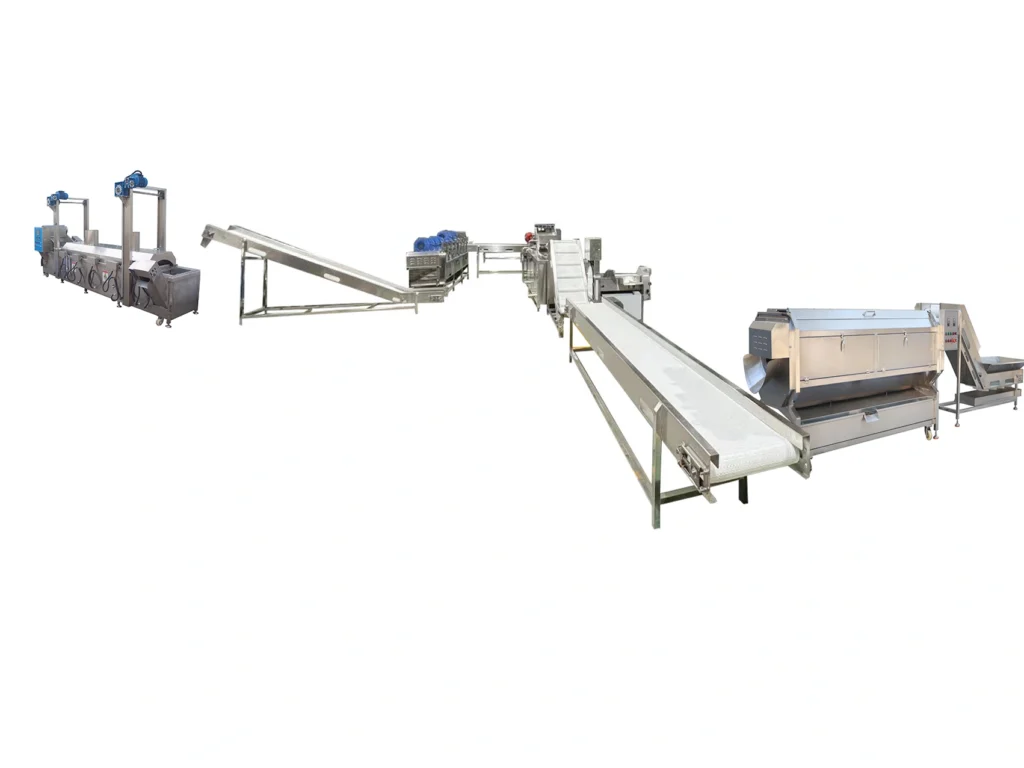
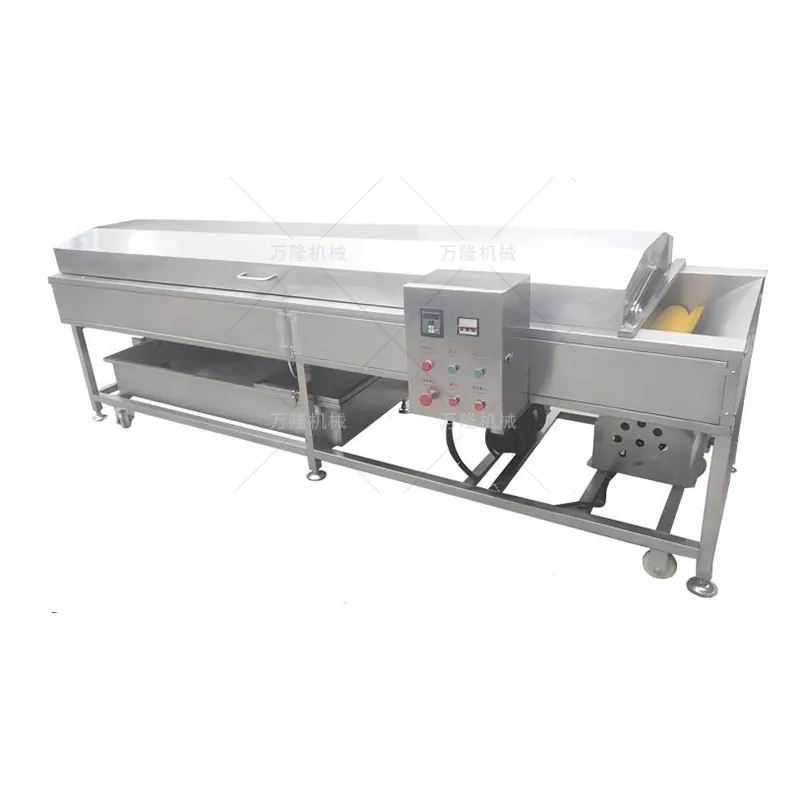
Cooking systems are often required by snack brands, frozen food startups and prepared meal businesses. Commercial fryers can be used to cook potato chips, fries and meat snacks. They are also commonly used to cook coated foods and vegetables.
In these applications, temperature control is crucial. Stable frying systems improve color consistency, texture and oil efficiency. The appearance of the food and its consistency in taste are important factors for businesses that sell packaged foods.
The equipment can also be used to blanch vegetables, seafood and other pre-cooked foods before freezing or packaging.
Packaging Machines
Packaging equipment is often overlooked by small food businesses. Packaging is more than just a seal. It protects the product, increases shelf life and improves brand presentation.
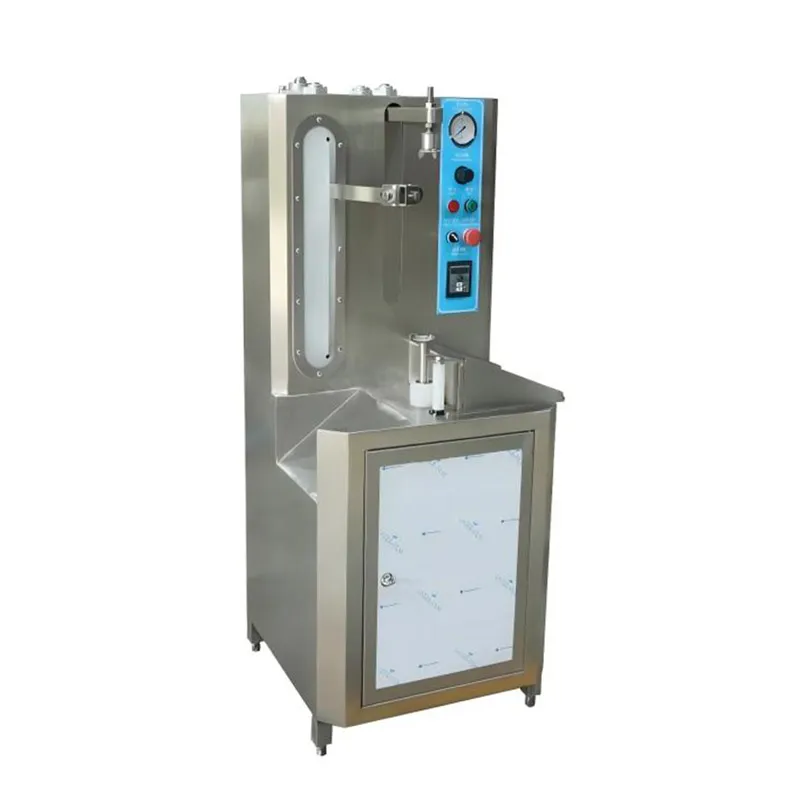
Vacuum packaging is especially helpful for frozen vegetables, meat, seafood, cooked meals and snacks. Vacuum packaging reduces spoilage by removing the air and sealing it tightly. It also supports frozen or refrigerated distribution.
Packaging quality is as important as product quality for businesses that are moving into retail channels.
What to Look for When Choosing the Right Machine
Focus on the bottleneck that is causing the most production delays when selecting machinery for your small business. Upgrade cleaning systems if washing takes a long time. Invest in new cutting equipment if cutting is slowing down the line. Packaging can be improved if shelf life is low.
Consider also these factors
Daily production volume realistic
Available floor space
Needs for power, water and drainage
Easy cleaning and maintenance
Spare parts are available
Future expansion potential
It is better to buy one machine that works well and solves the problem than several machines of low value.
Small businesses can benefit from long-term value
The best machines should be able to grow along with your business. Modular systems, which can be connected to larger production lines in the future, offer better value over machines that quickly become outdated.
As orders grow, many successful food brands start with semi-automatic equipment and then upgrade to larger automated lines. This strategy of investing in phases reduces financial stress while supporting steady growth.
Small businesses can benefit from high-quality food processing equipment by improving efficiency, maintaining product consistency, reducing labor pressure and building scalable operations. The right machine is essential for any business, whether it’s washing vegetables, cutting and peeling meat, frying snacks or packaging.
Small businesses should not only focus on the price of equipment, but also consider production requirements, reliability, hygiene, and future expansion plans. Smart equipment decisions today can give you a competitive edge for years to come.
FAQs
- What is the best first machine for a small food business?
It depends on the biggest bottleneck. For many businesses, cutting, washing, or packaging equipment provides the fastest return on investment.
- Should a small business buy automatic or semi-automatic machines?
Semi-automatic machines are often ideal in the early stage because they cost less and offer flexibility. Automatic systems become more valuable as volume grows.
- How important is stainless steel material in food machinery?
Very important. Stainless steel 304 is commonly preferred because it is hygienic, corrosion-resistant, and easier to clean.
#FoodProcessingMachines
#SmallBusinessEquipment
#CommercialFoodMachinery
#FoodFactoryMachines
#FoodProcessingSolution