

Blog
Automatic vs Semi-Automatic Food Processing Machines: Which Is Better?
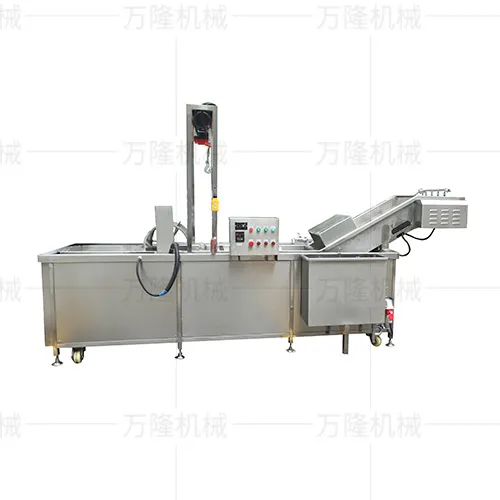
The level of automation is a critical decision in modern food production. Food processing machines can be semi-automatic or automatic, depending on whether they are used for vegetable processing, meat processing, fruit peeling, preparation of seafood, packaging, etc.
Both are used by the food industry but serve different needs. Semi-automatic machines require some human interaction, whereas automatic machines can complete the majority of processing steps without any manual intervention. The “better choice” is not universal. It depends on factors such as production scale, labor conditions and product type.
This article will explain the differences between the two systems and their benefits, limitations and how food manufacturers can choose the best solution for efficient and sustainability production.
Understanding Semi-Automatic Food Processing Machines
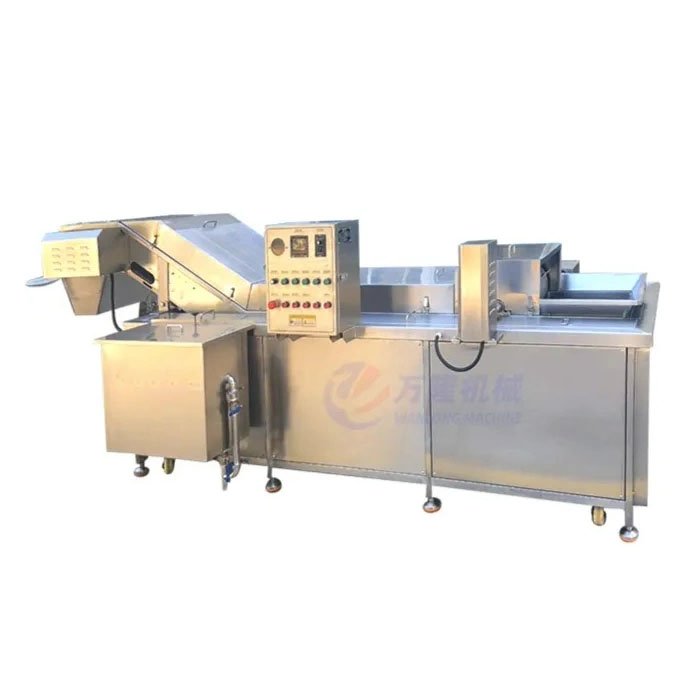
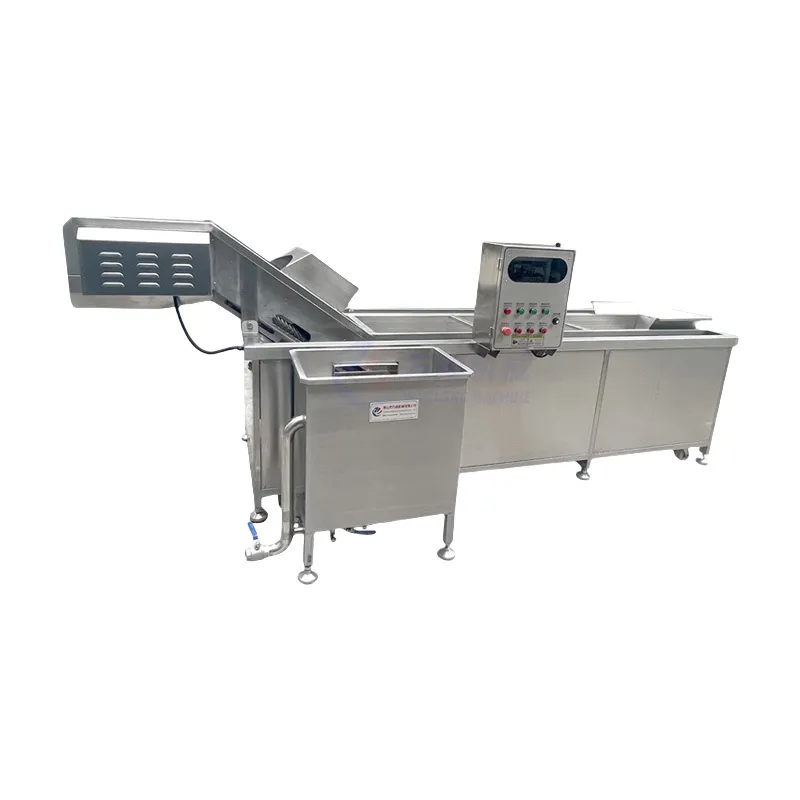
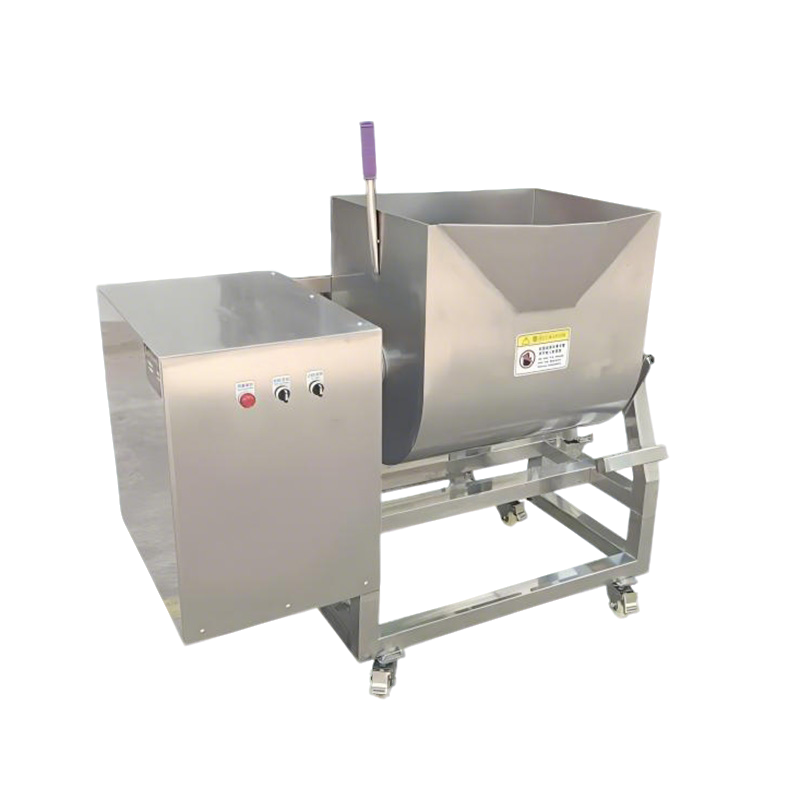
Semi-automatic machines combine mechanical efficiency and human control. Operators still play a role in important steps, such as feeding the raw materials, adjusting settings or moving products between stages. The machine handles the core processing, such as cutting, mixing or washing.
Semi-automatic machines are the first step towards mechanization in many small and medium-sized food factories. This equipment reduces the amount of manual labor required compared to hand processing and still allows for flexibility in production.
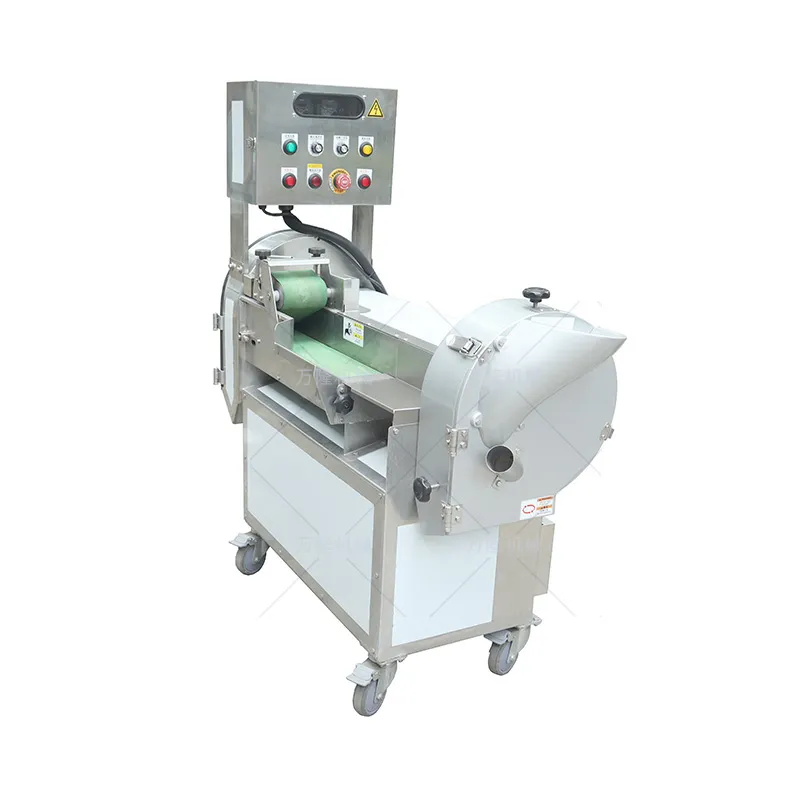
Semi-automatic machines, for example, can improve consistency and speed in operations such as meat or vegetable cutting, while still allowing operators to control the portion size, feeding rate, or product selection. They are ideal for businesses that have frequent product changes and smaller batches.
A lower investment cost is another advantage. Semi-automatic systems tend to be more affordable, easier and simpler to use, as well as maintain. This balance between cost-effectiveness and efficiency can be the best solution for startups or factories that are growing.
Understanding Automatic Food Processing Machines
Automated machines are a sign of a higher degree of industrialization. These systems are designed for continuous processing without requiring much human intervention. Once the parameters are set, a machine can run continuously through all stages of feeding, processing and output.
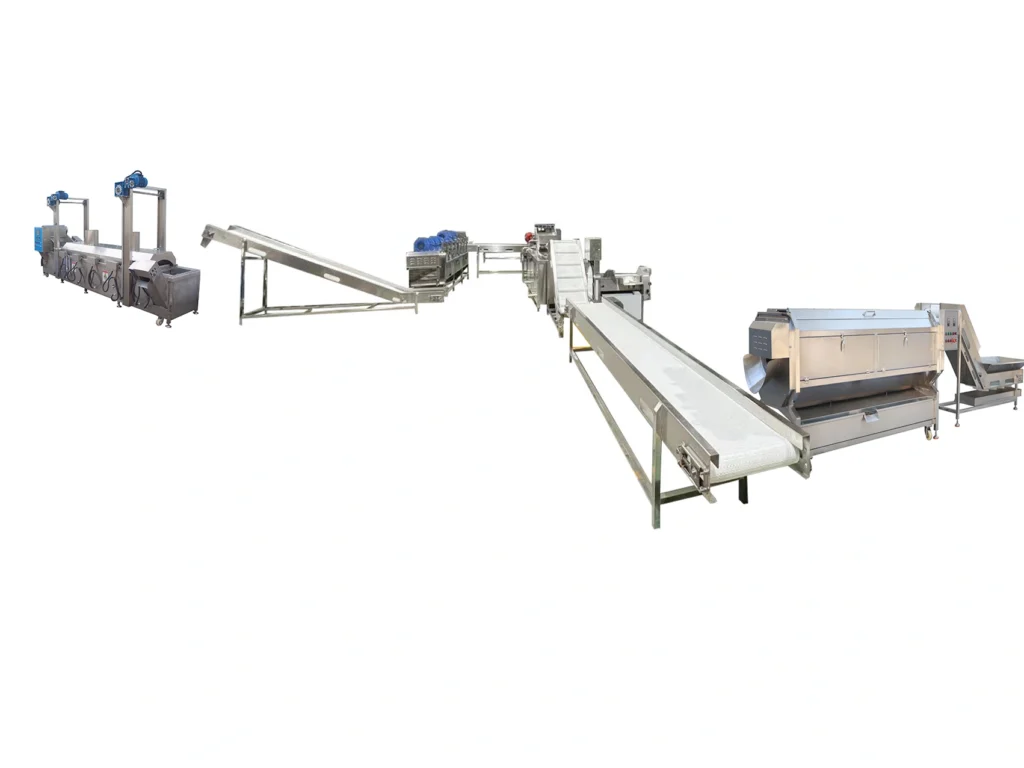
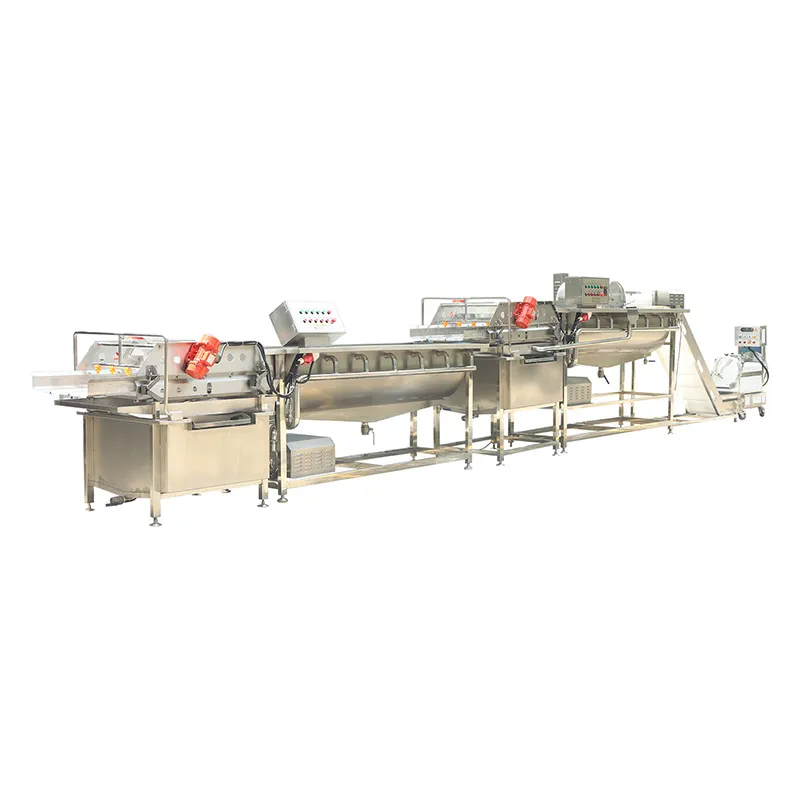
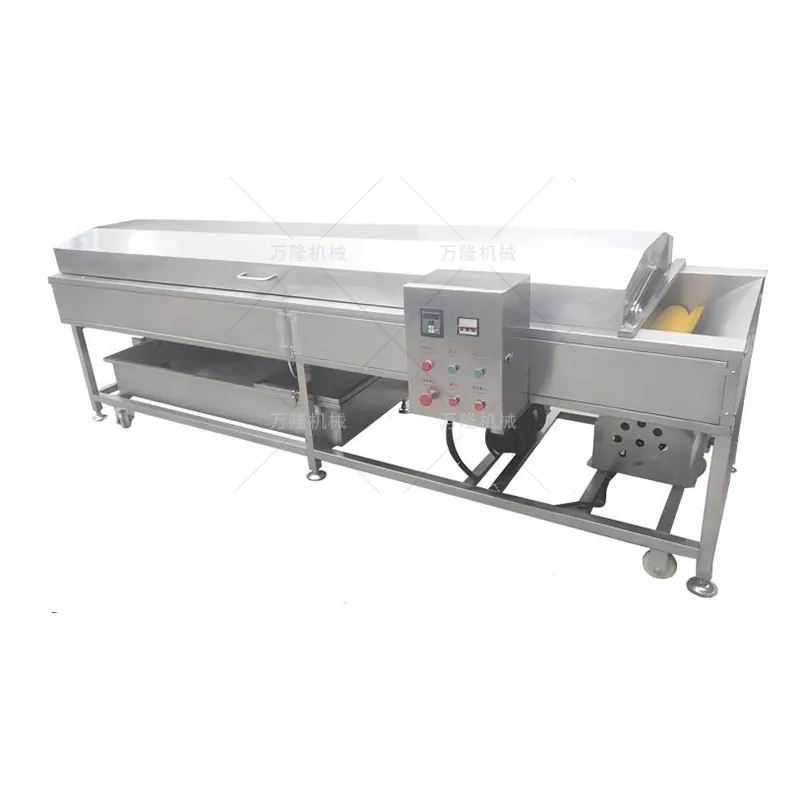
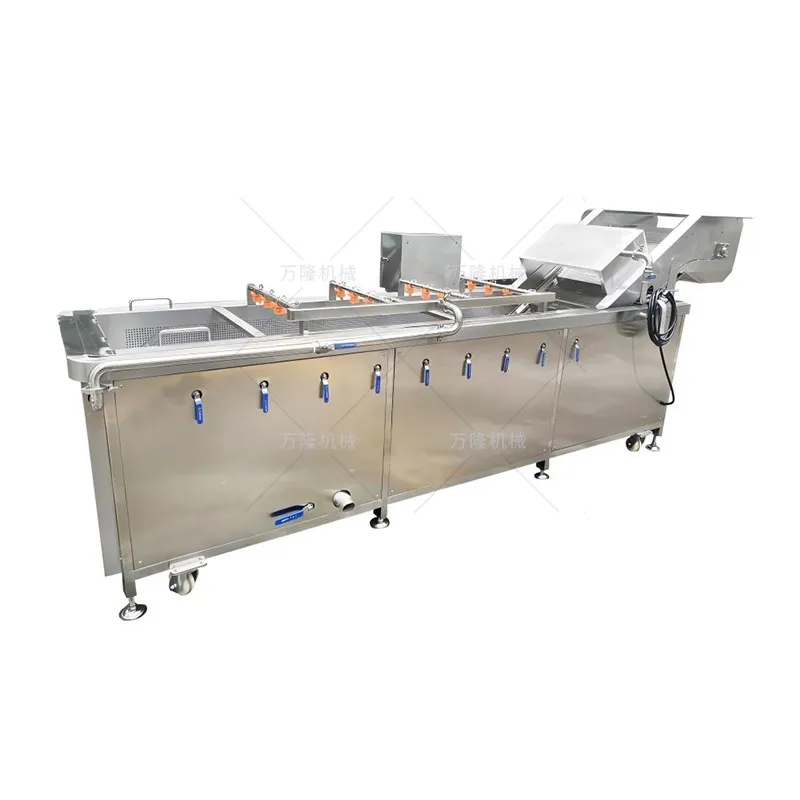
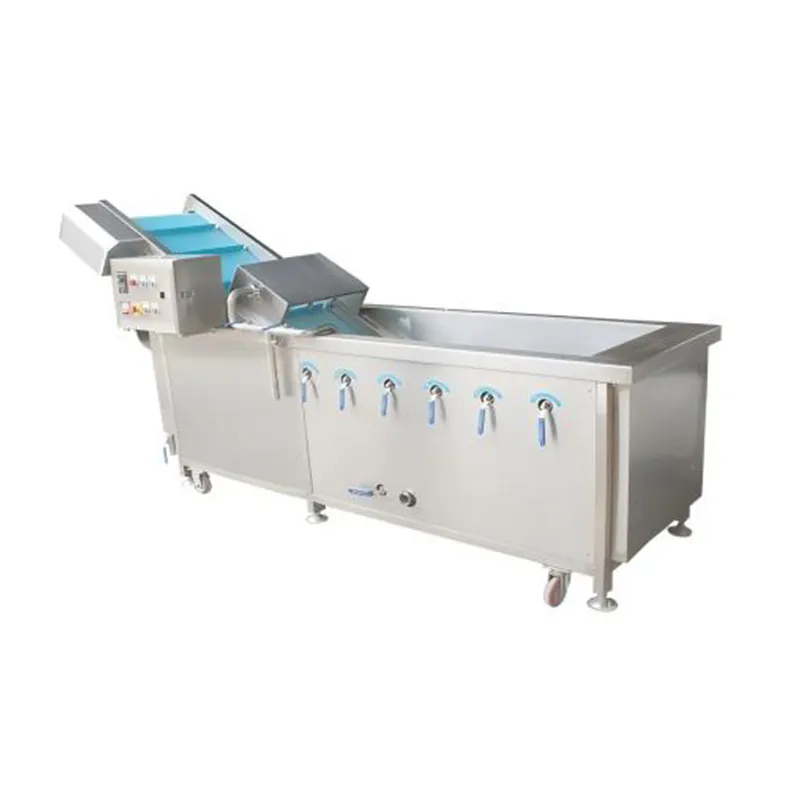
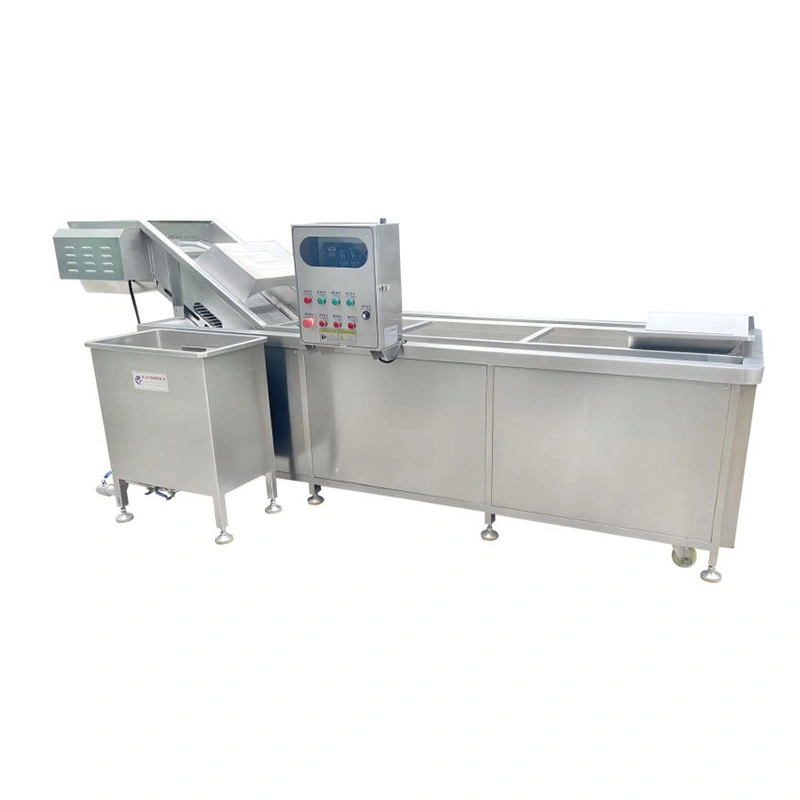
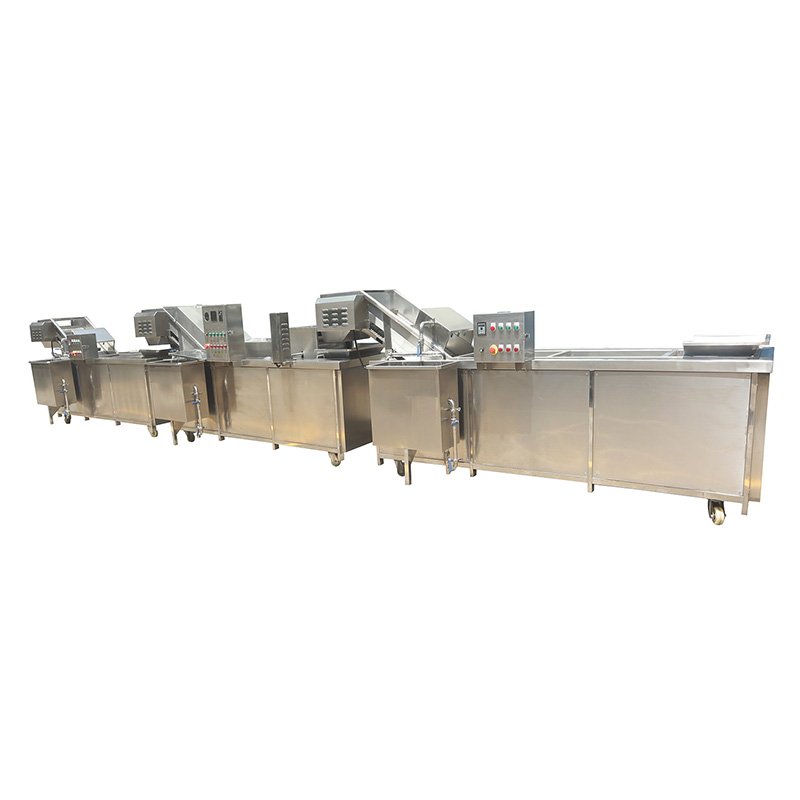
Automatic equipment is used in large food factories to ensure high production and stability. Automated conveyor systems allow for continuous operation of automatic vegetable washing systems, meat cutting lines, fruit peeling systems, and vacuum packaging systems.
Consistency is the biggest advantage to automation. Each product is treated under the same conditions which improves standardization and reduces human errors. It is important to ensure uniformity of quality in supermarkets, on export markets and for branded products.
Automated systems reduce the need for labor. Automation can help factories in regions with rising labor costs or unstable workforce availability maintain their production efficiency.
The Differences between Semi-Automatic and Automatic Machines
The level of human interaction in production is the main difference between these systems. Semi-automatic machines still require the operator’s participation while automatic machines are designed to reduce it.
Semi-automatic systems are more flexible, particularly when dealing with different products or recipes that change frequently. Installed easily, they require less initial investment and are easier to use. They may be less productive and rely more on labor.
Automated systems provide a higher level of production, greater consistency and lower labor costs. They require more investment, a technical setup and careful maintenance planning.
In the real world of manufacturing, it is not always about “either/or” but finding the balance between flexibility and productivity.
Semi-automatic machines are the better choice
Semi-automatic machines can be more suitable than automatic machines for:
Small and medium sized food factories
Startup budgets for businesses with limited resources
Factories producing multiple product types
Demand for seasonal or fluctuating products
Workshops with order customization flexibility
In such environments, the importance of adaptability over maximum speed is greater. Semi-automatic machines enable operators to easily adjust production without complex system modifications. These machines are easier to operate and train, which means that onboarding new workers is reduced.
Automatic Machines are the better choice
Automatic machines are better suited for:
Large-scale food processing factories
Export-oriented production lines
Continuous production and high-volume
Businesses face labor shortages
Standardized product manufacturing
In such cases, efficiency and consistency are the most important factors. Automated systems can reduce production errors and stabilize output quality while improving long-term efficiency.
Automatic systems are often more cost-effective in high-production environments, due to their reduced labor costs and increased productivity.
Practical Real-World Approach
In modern food factories the best solution does not involve choosing between two systems, but rather combining them strategically.
A factory might use semi-automatic stations for cutting and preparation, but still use automatic washing systems. This hybrid approach allows companies to maximize efficiency while maintaining flexibility during the early stages of processing.
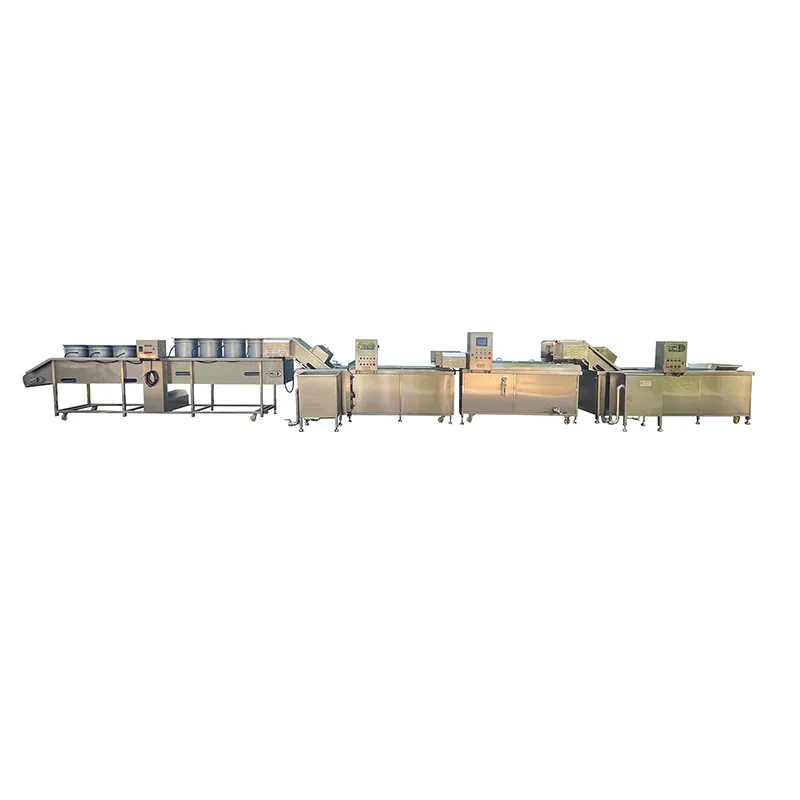
It is common to combine the two in production lines for meat, vegetables, and ready-meals, especially when product volume and variety must be balanced.
Semi-automatic and automatic food processing machines have their own strengths. Each machine has its strengths, depending on the production scale, budget and labor conditions as well as product requirements.
Semi-automatic machines offer flexibility, low investment and are suitable for small to medium production environments. Automatic machines are perfect for factories that require high production, consistency, and efficiency.
Successful food processors choose equipment that meets their production needs, rather than relying on technology trends. In many cases, the most efficient production setup is a combination of both systems.
FAQs
- Which is better for a new food factory: automatic or semi-automatic machines?
For most new factories, semi-automatic machines are more practical because they require lower investment and offer more flexibility during early-stage production.
- Do automatic machines always reduce labor costs?
Yes, but mainly in high-volume production. In small-scale operations, labor savings may not fully offset the higher equipment cost.
- Can semi-automatic machines be upgraded later?
In many cases, yes. Semi-automatic systems can often be integrated into larger automatic production lines as the factory expands.
#FoodProcessingMachines
#AutomaticFoodProcessingMachine
#SemiAutomaticMachine
#FoodProductionLine
#IndustrialFoodEquipment