

Blog
Efficient Solution Fruit Peeling Machine for Large Scale Processing
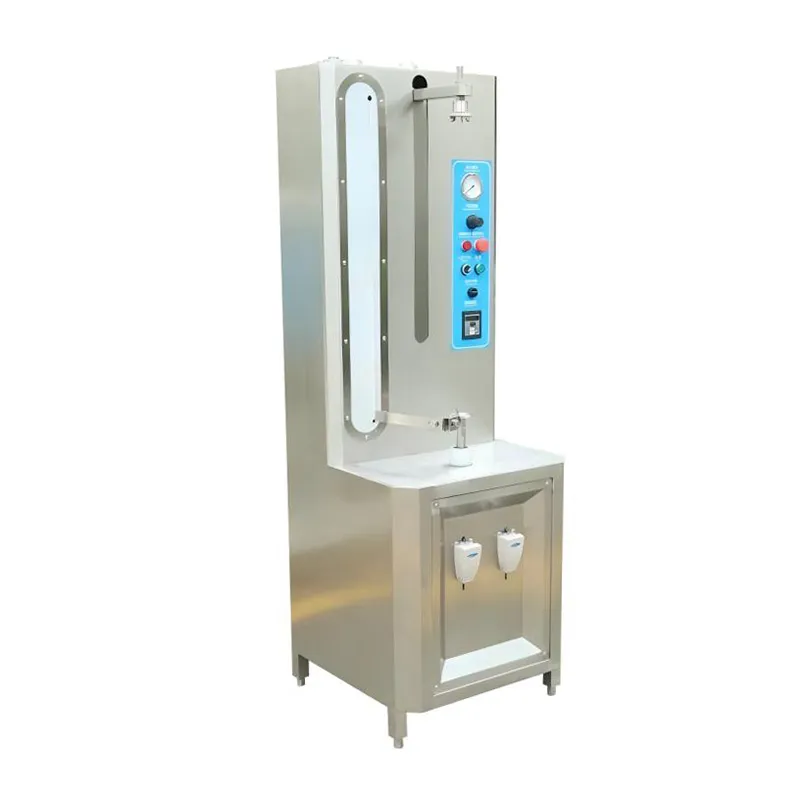
Peeling is a crucial pre-treatment step in modern fruit processing. It directly impacts production efficiency, yield and quality. Manual peeling is no longer able to meet the demands of large-scale production, as global demand for processed fruit such as canned fruits, frozen fruits, and dried fruits continues to increase. This is a labor-intensive and time-consuming process that can often result in inconsistent quality.
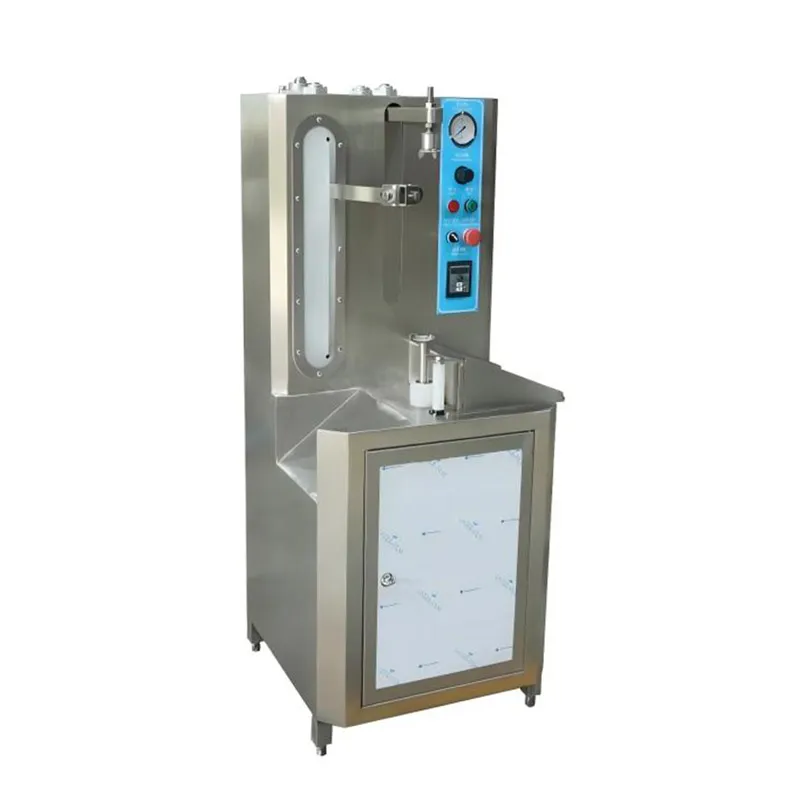
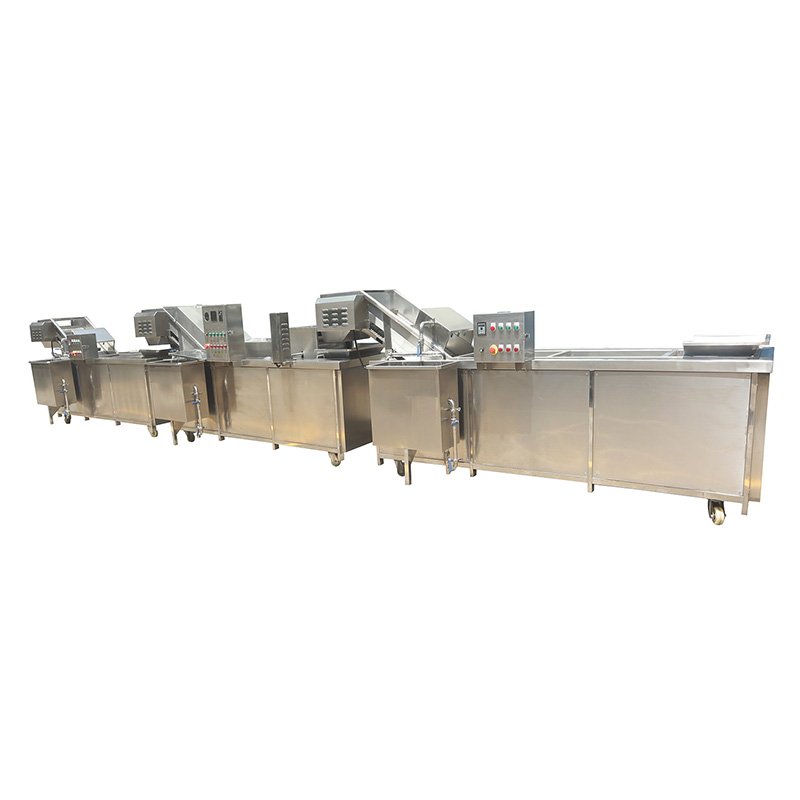
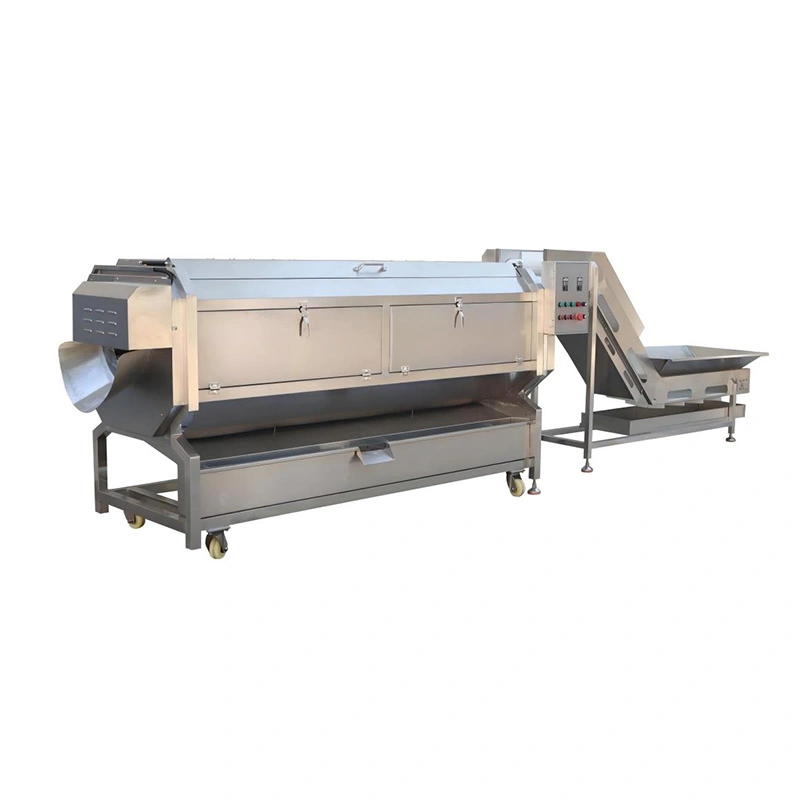
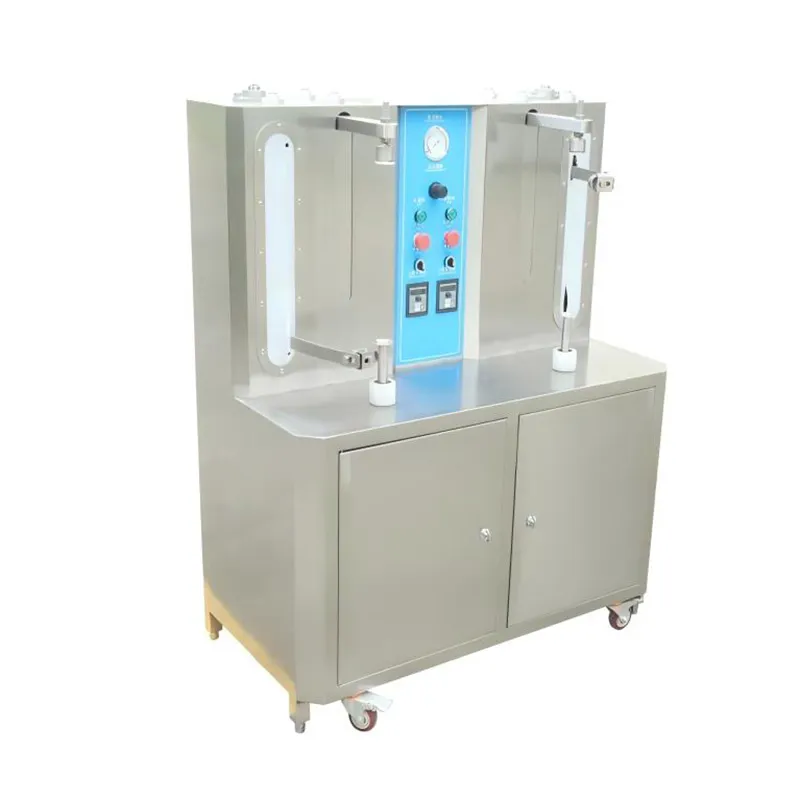
Fruit peeling machines designed for large-scale production provide a reliable and efficient solution to remove the outer skin from different types of fruit with minimal waste and high efficiency. Standardizing the peeling procedure allows factories to improve their productivity and maintain consistent product quality.
Peeling is usually done after washing and sorting in industrial fruit processing lines. Peeling can be done manually or automatically, once the fruits have been graded and cleaned. Depending on the type of fruit and the processing requirements, the peeling method inside the machine may vary.
Mechanical blade peeling is commonly used for fruits with hard skins, such as apples and pear. These systems follow the contours of the fruit to remove only the outer layer of skin, while leaving the maximum amount edible flesh. Fruits with thicker skins and irregular shapes, like pineapples and melons, may require more specialized trimming and cutting mechanisms to peel and shape them efficiently.
Consistency is a key aspect of large-scale peeling. Manual peeling can lead to inconsistent product quality, as the thickness of the peeling varies between workers. This problem is solved by industrial peeling machines that maintain a constant processing speed and uniform cutting depth. This guarantees that every fruit is treated under the same conditions. This is important for export markets as well as downstream processing, such a slicing and juicing.
Efficiency is another key benefit. In large facilities, hundreds of thousands of fruits can be processed in a single shift. Automated peeling machines can be operated continuously, resulting in a significant increase in throughput when compared with manual labor. The factory can respond better to seasonal production spikes when raw materials are plentiful and processing time is short.
Fruit peeling operations must also consider the yield of their products. Over-peeling increases waste and reduces profitability. Modern fruit peeling equipment is designed to maximize peeling thickness, removing only the outer layer of skin while retaining as much edible part as possible. In large-scale operations, where the cost of raw materials is a key factor, this balance between yield and cleanliness is crucial.
Hygiene is also important in the industrial food processing industry. Fruit peeling equipment needs to be designed so that it can be cleaned easily and minimize contamination risk, as the fruit is in direct contact with the raw material. To ensure food safety and that the machine can be cleaned easily between production cycles, stainless steel construction and smooth surfaces are often used.
Modern fruit production lines require a fruit peeling machine that can handle large quantities of fruit. It increases efficiency, reduces waste, and ensures consistency in quality while supporting continuous operations at industrial scale. Automated peeling technology is becoming increasingly important as the global demand for processed fruits continues to grow.
#FruitPeelingMachine
#IndustrialPeelingEquipment
#FruitProcessingLine
#FoodProcessingMachine
#LargeScaleFoodProcessing