

Blog
Commercial Meat Processing Line for Sausage Factory
The sausage industry is one of the oldest in the world, but manufacturing standards in recent years have evolved significantly. The demands on factories are high: they must deliver a consistent flavor, a stable texture, precise portion sizes and high hygiene standards, while maintaining efficiencies at large scale. Many producers use a complete line of meat processing machines to meet these requirements, rather than individual machines.
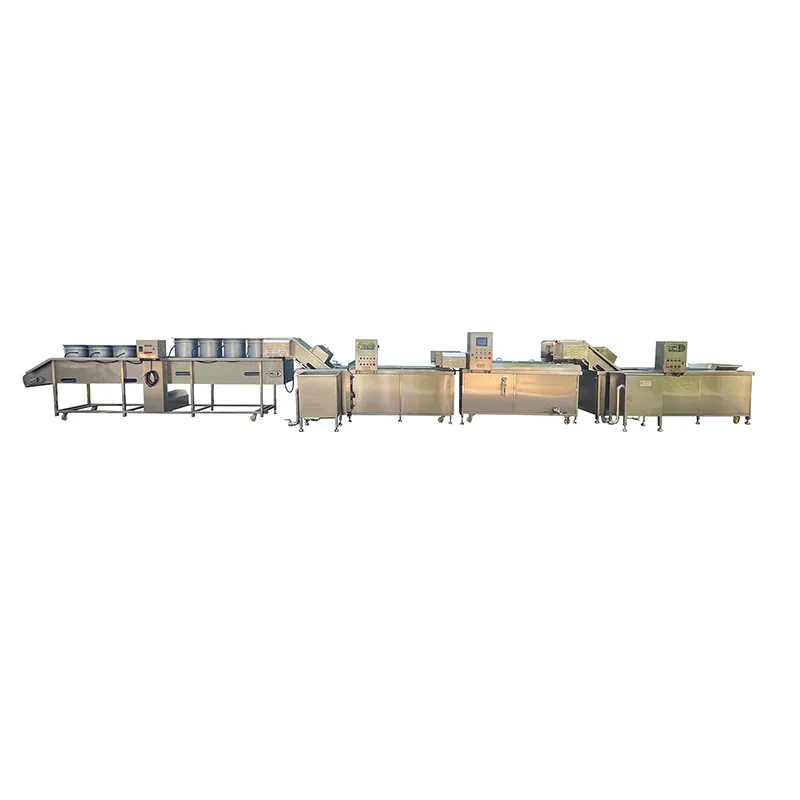
A sausage production line is a workflow that combines several stages, such as the preparation of raw meat, grinding, mixing and emulsifying; stuffing, linking; cooking, cooling and packaging. This integrated approach allows manufacturers to improve productivity, reduce handling times, and maintain consistency in product quality.
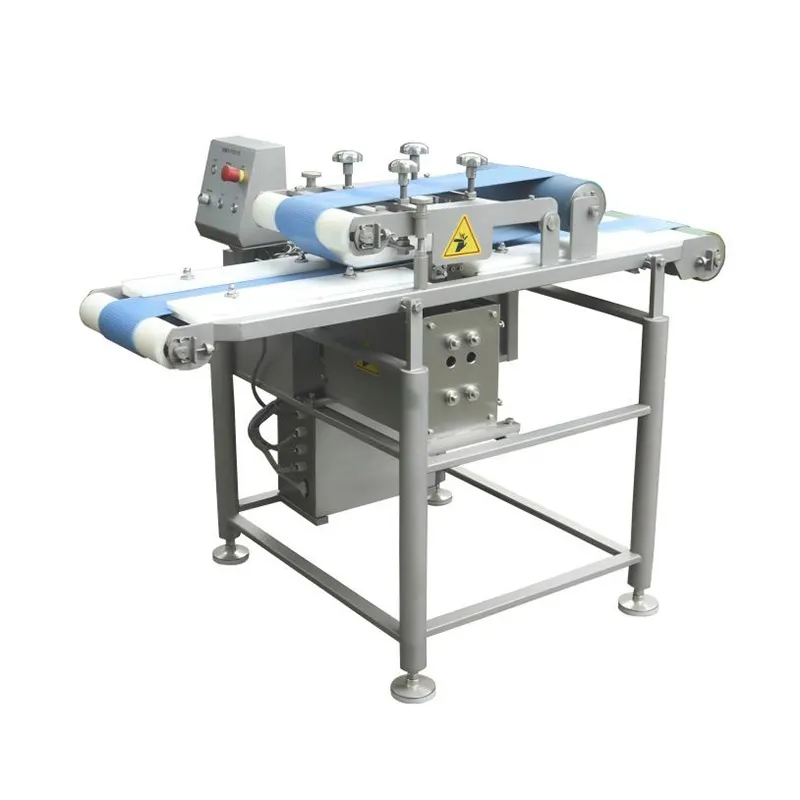
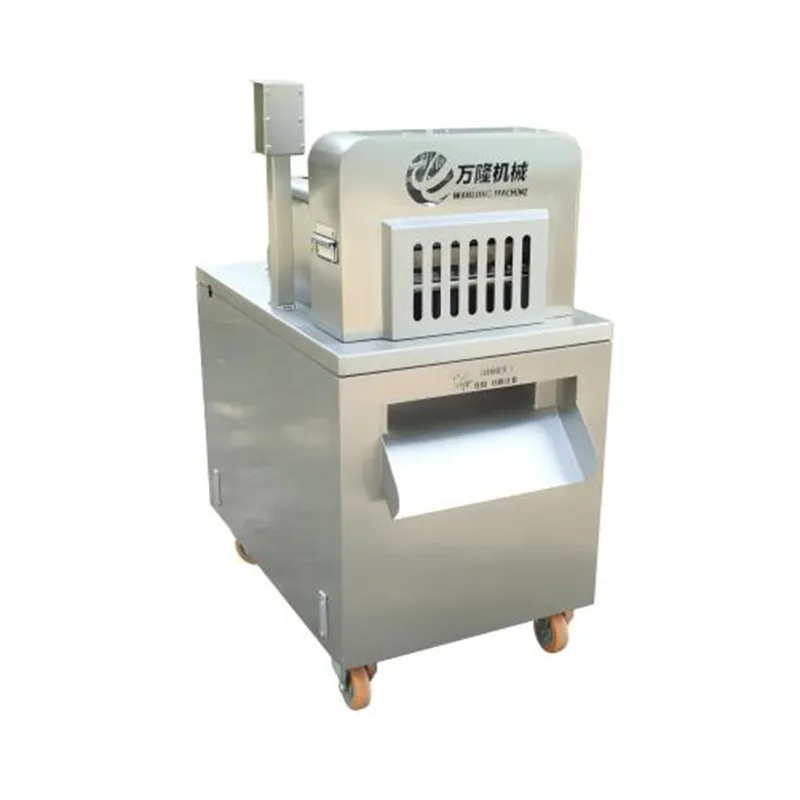
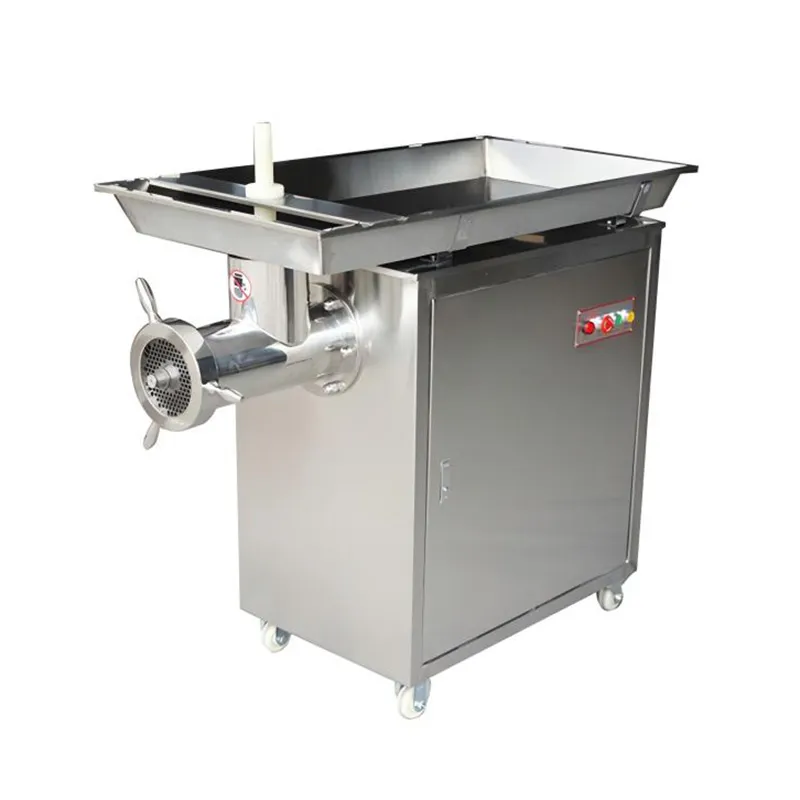
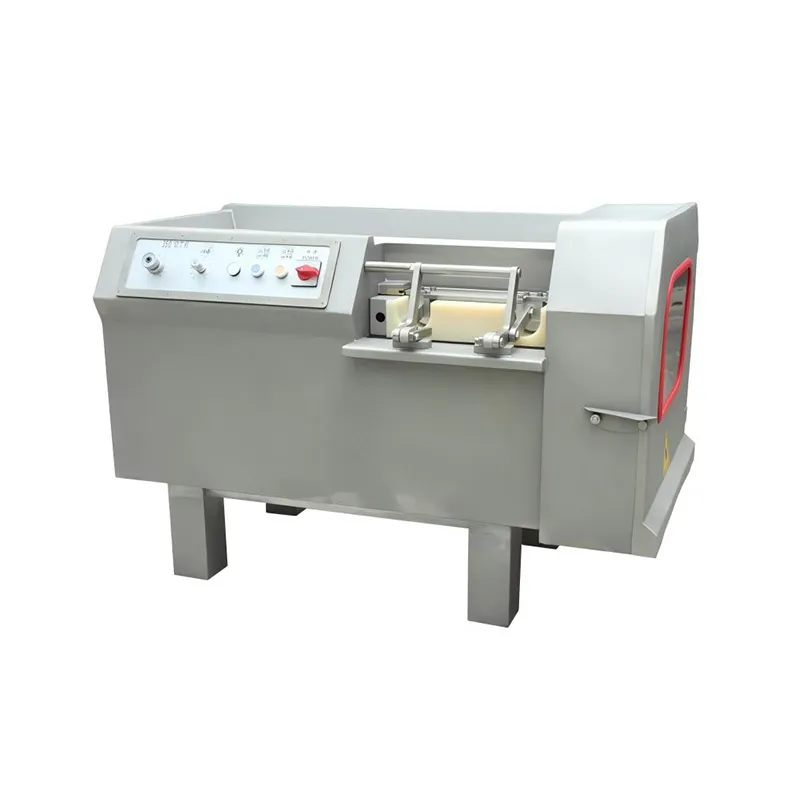
Raw material preparation is usually the first step in the production process. First, fresh or frozen meats are inspected, trimmed and sorted in accordance with the fat ratio and requirements for product formulation. The lean-to fat ratios for different sausage types are different, and so it is important to control the raw materials at this stage. The meat is then placed into a grinder to reduce it to the desired particle size.
The meat is then ground and mixed, with the addition of spices, binders curing agents, and seasonings. The uniform mixing of meat is a key factor in sausage production, as it affects the final texture, flavor consistency and moisture retention. Vacuum mixing can be used in some products to enhance protein extraction and produce a more stable product.
The next step in the production of emulsified sausages, such as hotdogs or frankfurters is often bowl chopping. The process produces a fine, smooth meat batter, by mixing meat, fats, ice and additives at a controlled temperature. It is important to maintain a low temperature for the product during this step, as overheating will damage the texture and reduce the binding ability.
The next step is to stuff the sausages. Automatic sausage fillers place the product in natural casings or collagen casings based on the category of the product. It is crucial to use the correct filling pressure because an incorrect filling can result in irregular shapes. Overfilling could also cause casings to break. Modern systems include functions to divide sausages into equal-length packages for retail and foodservice packaging.
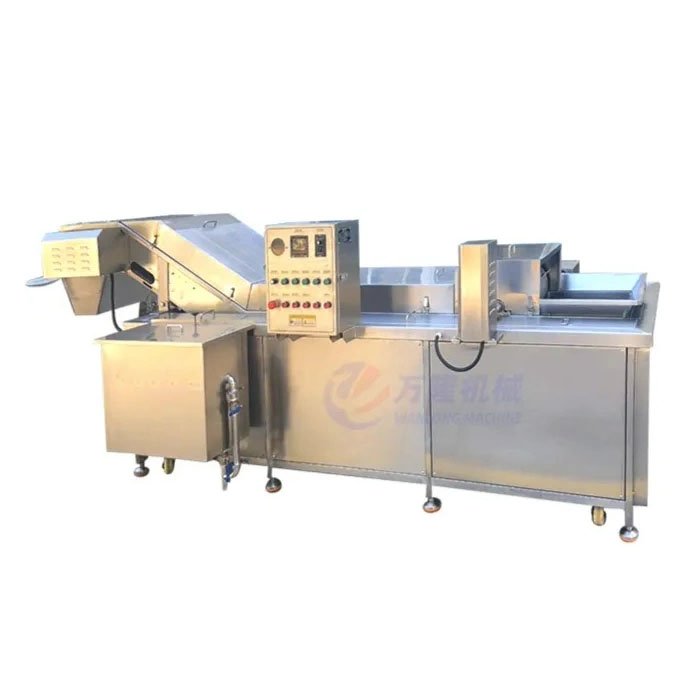
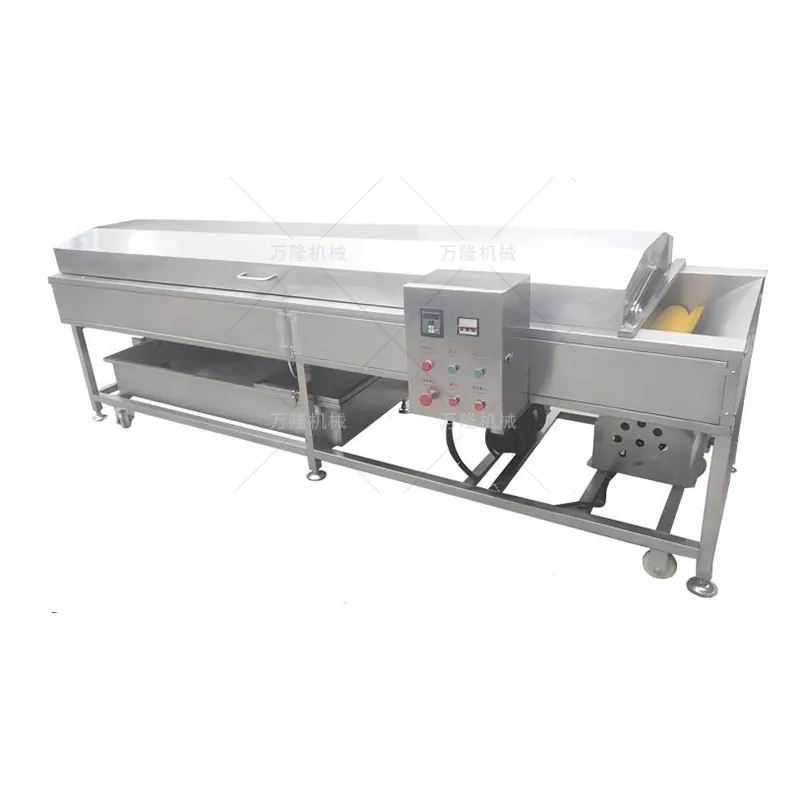
Depending on the recipe, after stuffing sausages, they may be hung, smoked, cooked, or steamed. To achieve food safety goals while maintaining moisture and consistency, cooked sausage products need to be heated with care. Smoke density and air circulation also influence the final appearance and flavor of smoked products.
The cooling process is required to stabilise the product’s structure prior to packaging. Rapid cooling reduces microbial risks and helps prevent overcooking. In many factories the sausages are then moved directly into vacuum or modified atmosphere packaging to increase shelf life and support cold chain distribution.
Consistency is one of the major benefits of a complete line for sausage production. Manual or semi-manual sausage production can lead to variations in weight, diameter and seasoning distribution. Integrated automated systems reduce variations by controlling every stage more precisely. It is particularly important for products that are branded, the supply of supermarkets, and export markets, where uniformity is monitored closely.
Another major advantage is efficiency. Sausage factories produce large volumes of sausages every day, often with strict delivery schedules. A connected line can reduce the need for unnecessary raw material movement, decrease labor dependency and increase throughput. A better workflow design supports sanitation and production planning.
In sausage production, hygiene is especially important because the risk of contamination increases due to multiple ingredients and handling at different stages. Processors can maintain food safety standards by using stainless steel equipment and easy-to-clean surfaces. They also comply with inspection requirements when they use controlled product flow.
For manufacturers who want to achieve a stable product, greater efficiency and increased output, a meat processing line is essential. Integrating grinding, mixing and emulsifying with stuffing, cooking and cooling into a coordinated system allows producers to improve consistency and reduce labor and waste. Modern meat processing is a must as the demand for processed meats continues to increase worldwide.
#SausageProcessingLine
#MeatProcessingLine
#SausageFactoryEquipment
#IndustrialMeatProcessing
#FoodProcessingMachinery