

Blog
How to Choose the Right Food Processing Machine for Your Factory
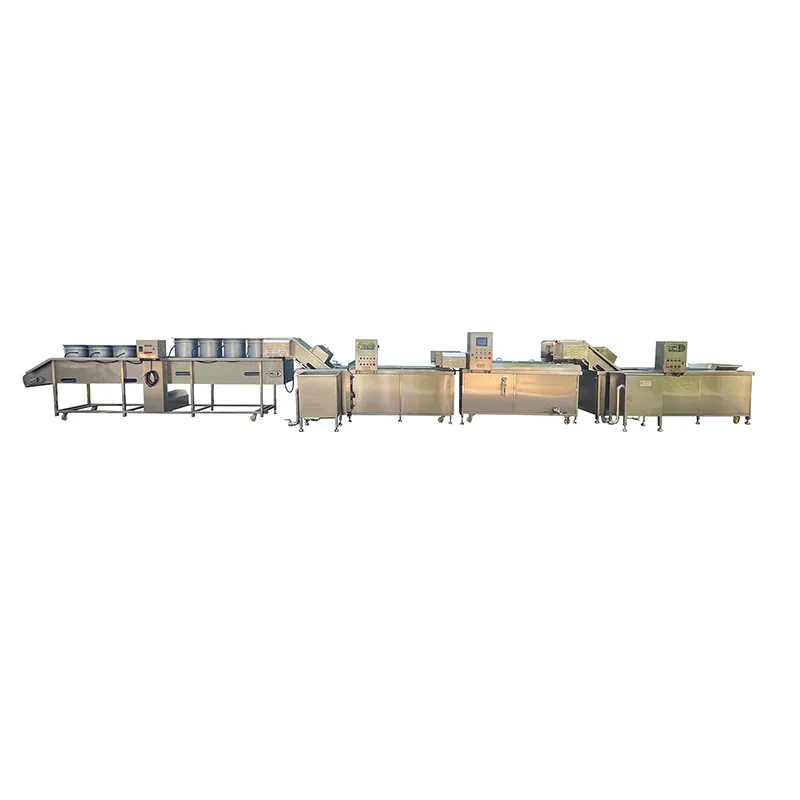
The right food processing equipment is one of the key decisions in any food factory. Equipment selection affects many factors, including production capacity, product standards, labor efficiency and hygiene, long-term costs, and energy consumption. Even if a machine looks good on paper, it may not be the best choice for your business if its raw materials, workflow or future growth plans are different.
Most factories only consider the purchase price of equipment, but it is better to assess each piece based on its total production requirements. The machine you choose should meet your needs, be reliable, fit seamlessly into your production line and provide consistent output. Equipment selection is important whether you’re launching a brand new plant or upgrading an old one.
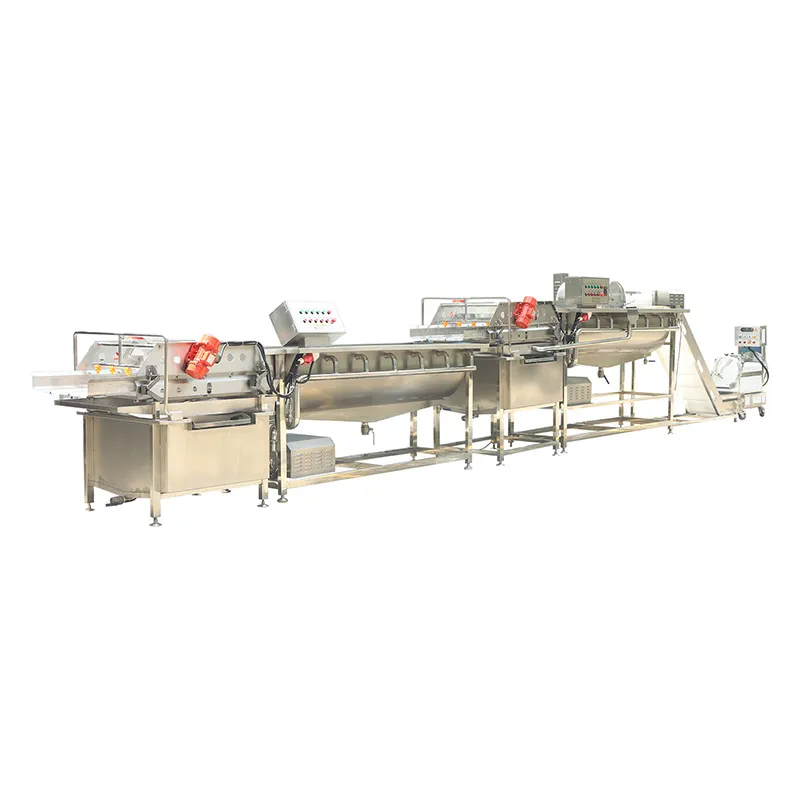
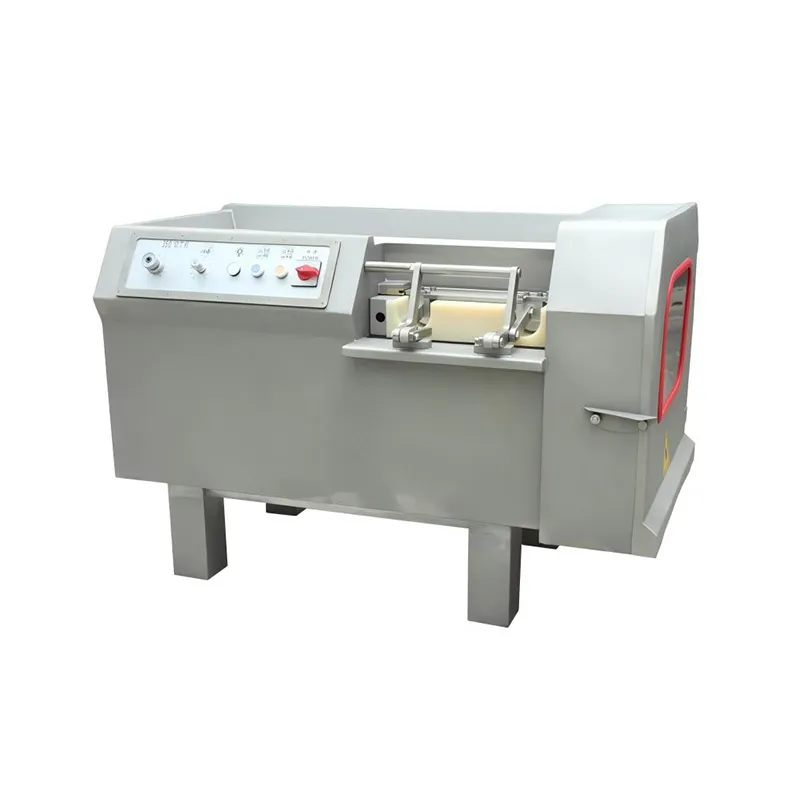
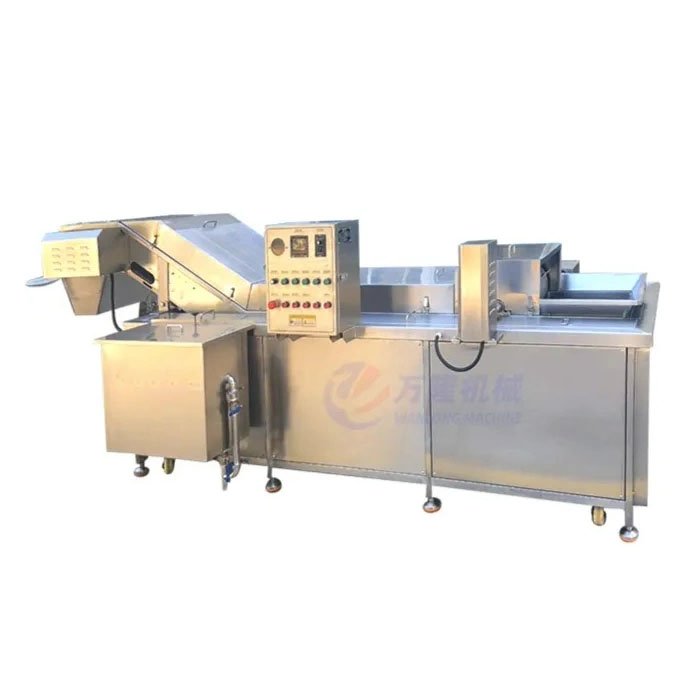
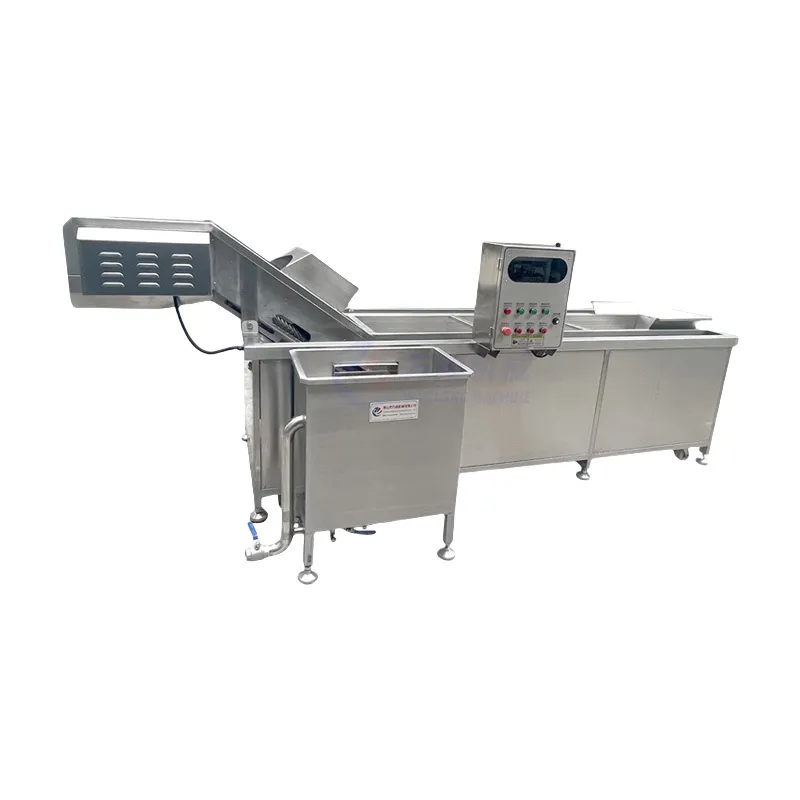
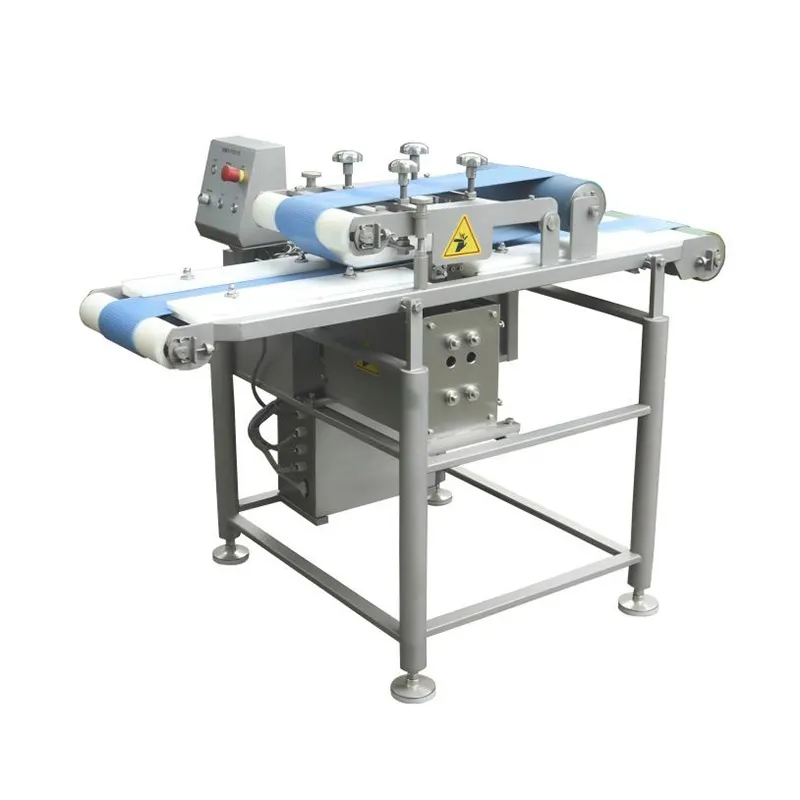
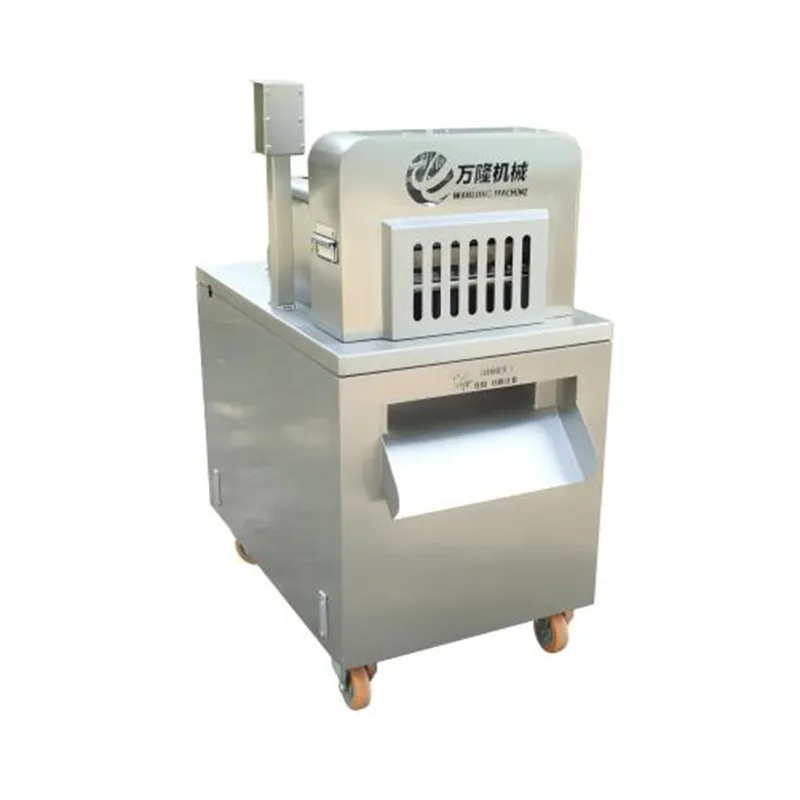
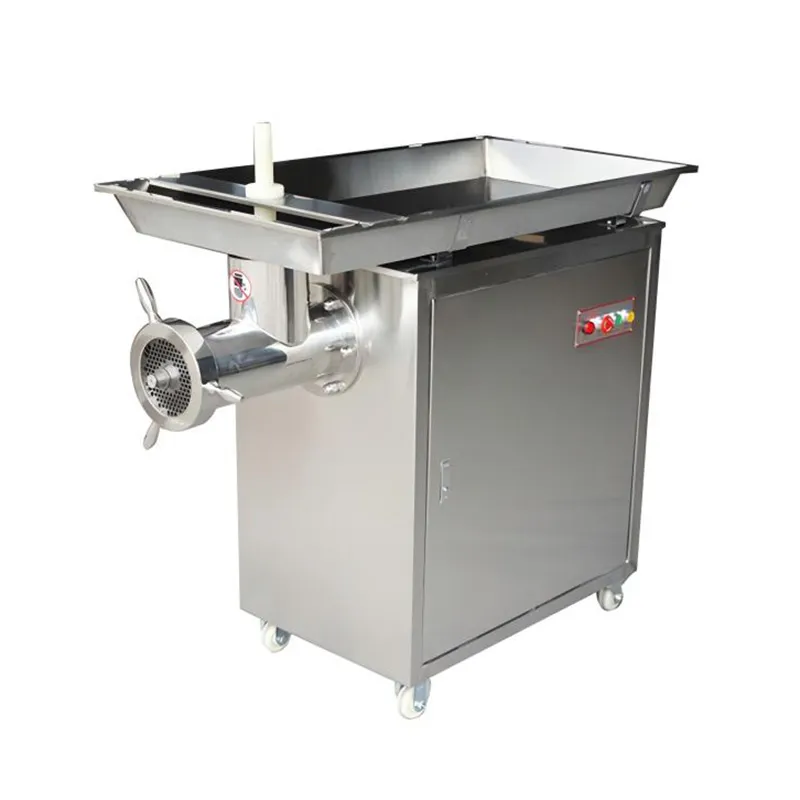
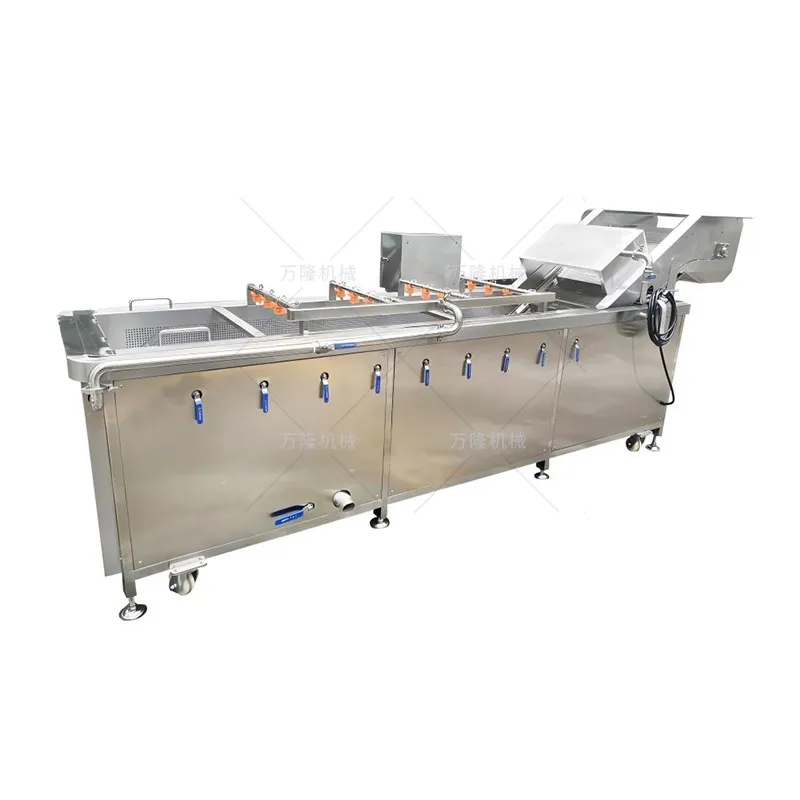
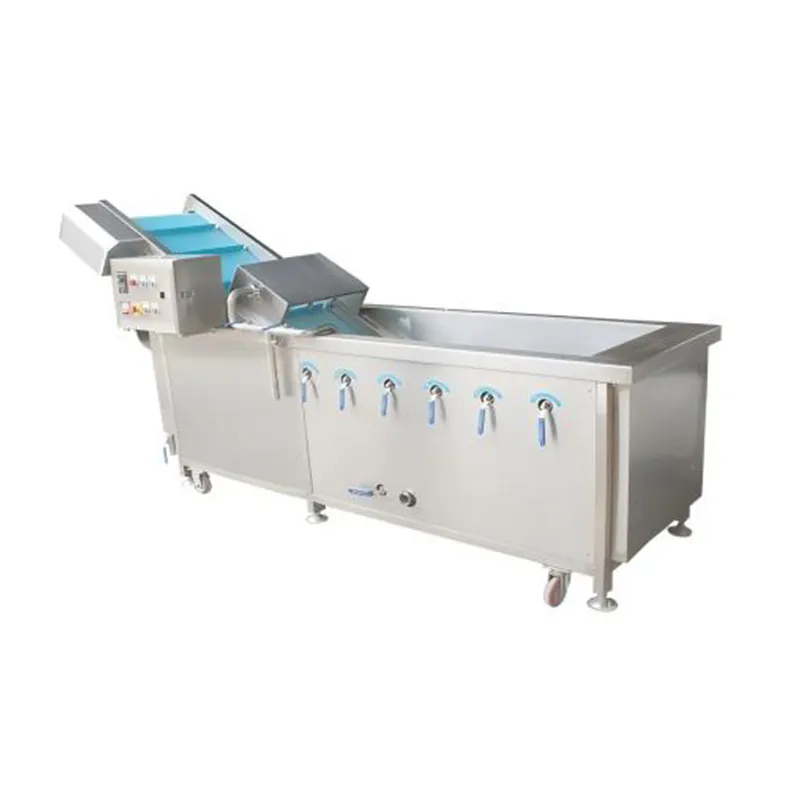
First, you must clearly determine what you want to produce. Food machinery is highly application-specific, so understanding your product category is essential. Vegetable washing systems for root vegetables will be very different from those designed for leafy greens. A meat-cutter designed for chilled fresh meat might not work the same with frozen blocks. Oil control for frying equipment used to make potato chips is different from oil control for a fryer that’s used to cook coated snacks.
Prior to comparing machines, you should identify the raw materials, format of your product, output target, and standards for quality. It is easier to select equipment that meets your specific production goals if you are more specific about them.
Consideration should be given to the production capacity. A machine that’s too small could create labor bottlenecks. A machine that is too big can waste energy, money, and floor space. The capacity should be matched to the realistic daily and hourly production requirements, while still allowing for some growth.
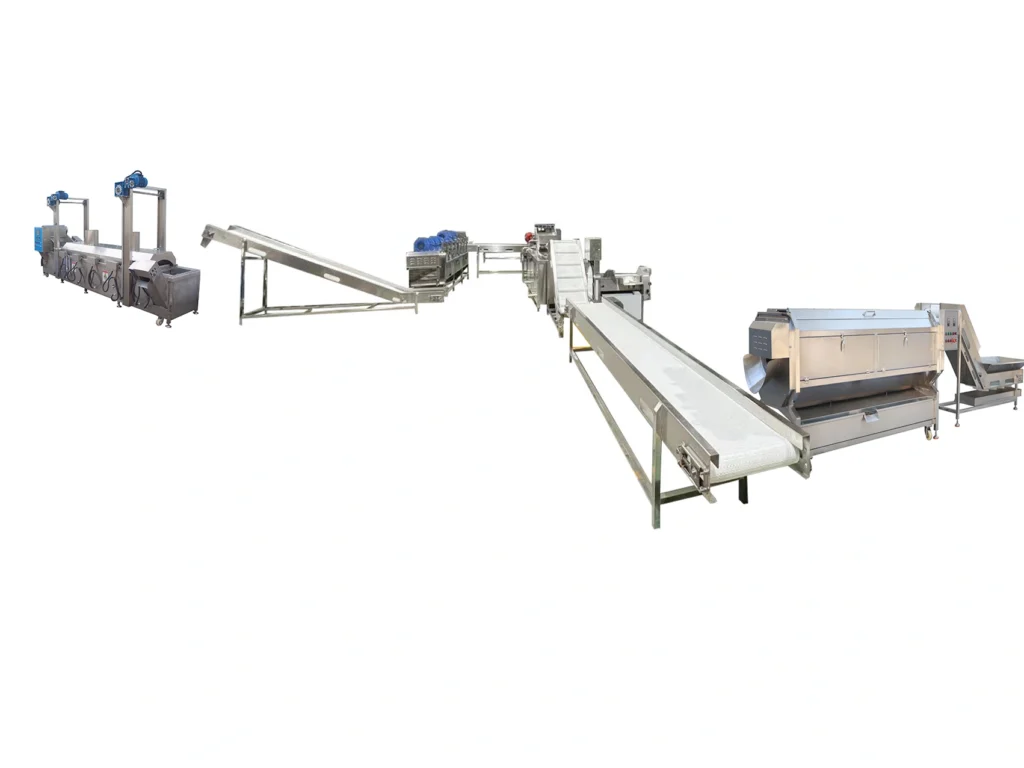
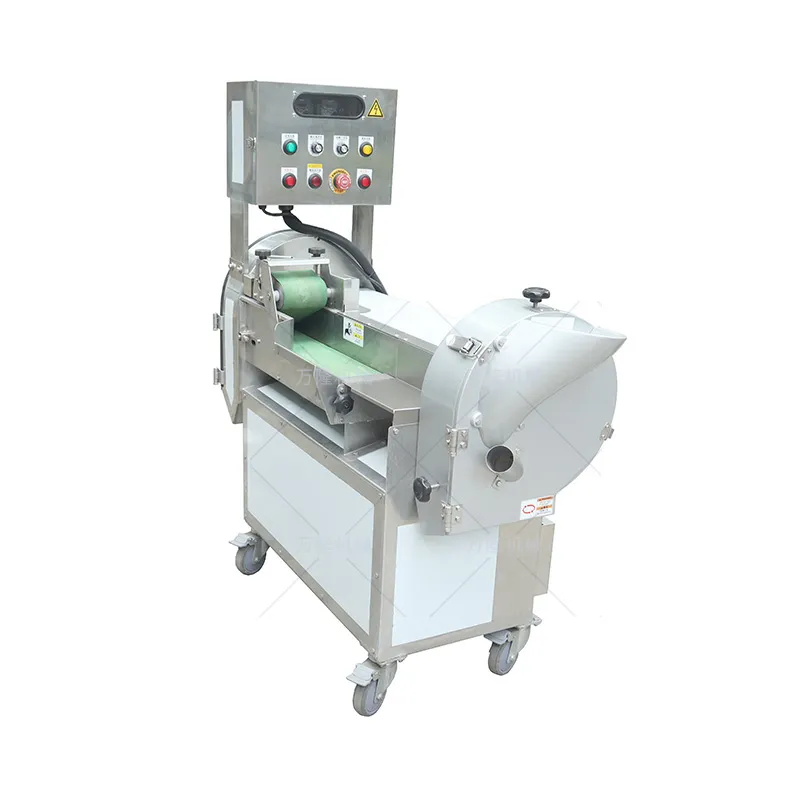
Upstream and downstream equilibrium is equally important. A high-speed cutter is of limited use if the washing and packaging process cannot keep pace. Most efficient factories evaluate machines in the context of an entire workflow, rather than as individual units.
In food environments, material and hygiene standards play a critical role. Machines must be easy to clean and resistant to corrosion. They should also be designed to minimize residue buildup. It is common to use stainless steel 304 because it works well in environments that are wet or frequently cleaned. The use of smooth welds and accessible surfaces, as well as removable components and hygienic designs, all contribute to a safer and easier production.
Hygiene design is even more critical for products that contain meat, dairy, sauces or ready-to -eat foods. Contamination risks are higher.
Another important factor is the level of automation. Not all factories need a fully-automated line. Semi-automatic equipment can offer greater flexibility and lower costs. Automation is the best long-term option in other cases due to labor shortages and high production demands.
The level of automation that is right for your business depends on a number of factors, including the availability of labor, the skill level and production volume. It also depends on return on investment. It is better to have a simple system that is easy to use and maintain than a complex, difficult-to-maintain one.
Never overlook maintenance and serviceability. Even machines of high quality require maintenance, including blade replacement, cleaning, lubrication and inspections. Equipment that’s difficult to maintain can cause production delays and downtime.
Compare the options based on how easily you can access wear parts, if common spare parts are readily available, and how fast technical support is able to respond in case of a problem. A lower price is not always more important than reliable uptime.
The energy and utility needs are also important. Some machines require a lot of electricity, water, steam, compressed air or drainage. In order to make a machine perform well in your showroom, you may need to upgrade the infrastructure in your factory. By checking these requirements in advance, you can avoid unexpected costs and delays.
It is also important to consider the compatibility of your layout. Measuring the available floor space is important. Also, consider product flow, loading zones, operator access and cleaning zones. The equipment you choose should be suited to your factory and not forced into inefficient compromises.
Many processors underestimate future growth. Choose equipment that is scalable, such as modular upgrades, line extensions or conveyor extensions. It is often more expensive to replace undersized machines than plan ahead.
Request testing as soon as possible. You can get more accurate results by testing your raw materials than just using brochures.
It is not enough to compare prices and basic specifications when choosing the right food processor. Matching equipment to product type, capacity, hygiene requirements, automation, maintenance expectations and factory layout is the best way to make a decision. Machines that are part of an integrated production strategy can improve efficiency, stability, and long-term costs. Today’s purchase can have a lasting impact on the production of future years.
#FoodProcessingMachine
#FoodFactoryEquipment
#IndustrialFoodMachinery
#ProductionLineEquipment
#FoodProcessingSolution